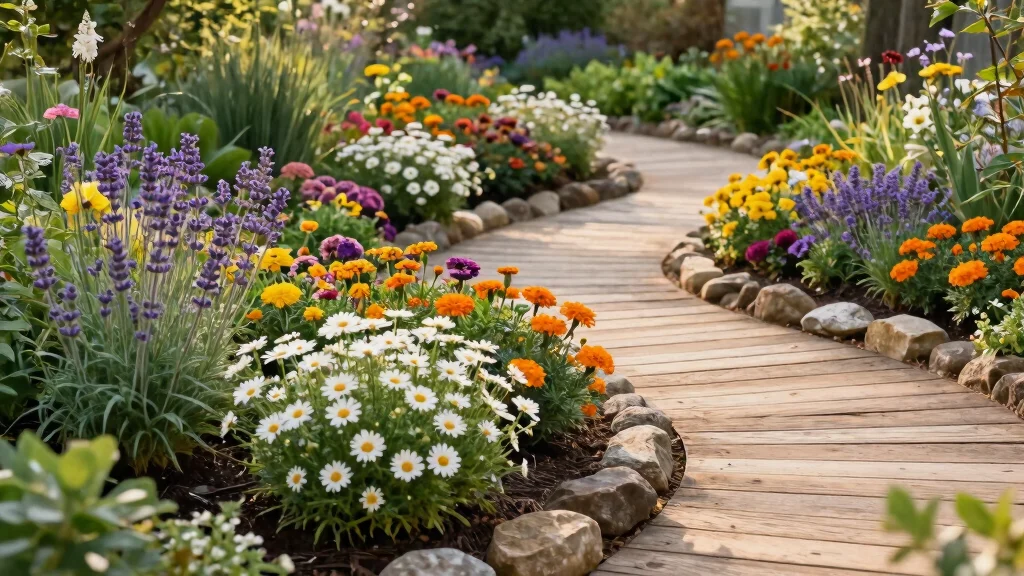
Creating a soft and elegant garden design has always been a passion of mine. There’s something magical about curved flower beds that can transform any outdoor space into a serene oasis. I wanted to share these ideas because I believe that every garden lover deserves a place where they can feel relaxed and connected to nature. Whether you have a sprawling yard or a compact balcony, you can incorporate these gentle curves to elevate your garden’s aesthetic.
If you’re someone who appreciates beauty in your surroundings, this post is for you. Garden enthusiasts, eco-conscious homeowners, and anyone looking for outdoor decor ideas will find inspiration here. I’ve gathered eight unique curved flower bed ideas that are not just visually appealing but also eco-friendly. These designs will help you create a harmonious garden that reflects your style and promotes a healthier environment.
Get ready to explore design ideas that are soft, inviting, and perfect for making your garden a tranquil retreat. From serpentine splendor to fragrant flower beds, these concepts will encourage you to embrace nature’s elegant curves. By the end of this post, you’ll have actionable tips to create your own stunning floral arrangements that blend seamlessly into your outdoor decor.
Key Takeaways
– Curved flower beds create a soft aesthetic that enhances any garden design.
– Incorporating eco-friendly materials and plants supports sustainability and biodiversity in your garden.
– Each of the eight ideas caters to various garden sizes and styles, making them adaptable for any space.
– Layered curves can add depth and dimension, making your garden look more inviting and lush.
– Seasonal planting strategies can keep your flower beds vibrant and colorful throughout the year, providing continuous beauty.
1. Serpentine Splendor
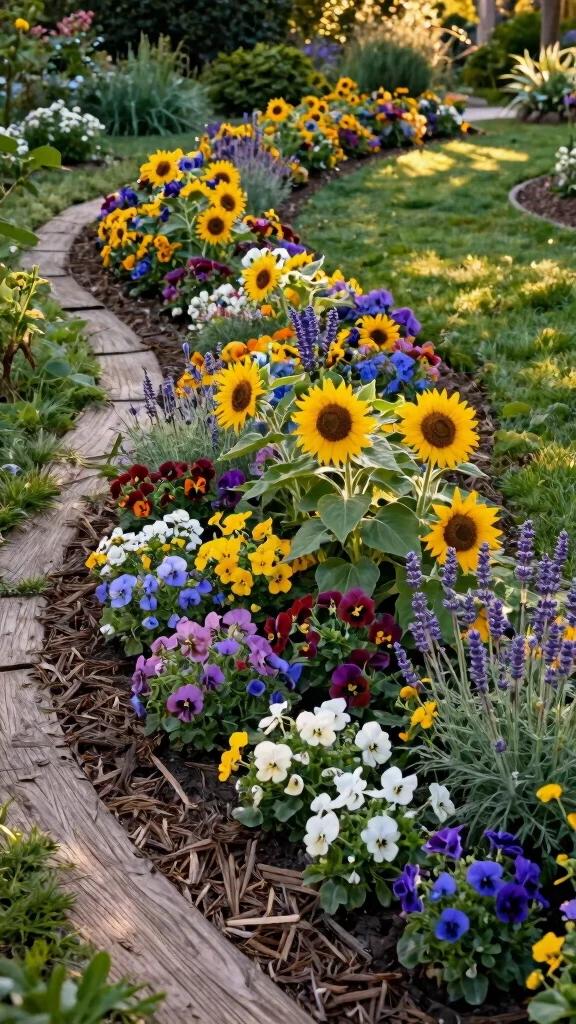
Imagine a garden where flower beds flow like a gentle river. The serpentine design weaves through your landscape, creating a soft and inviting atmosphere. With graceful curves, this layout guides the eye and enhances the charm of your outdoor space. You can easily incorporate various colors and textures to keep the visual interest alive all year round.
To get started, think about mixing perennials and annuals for a colorful display. Place taller plants like sunflowers at the back and shorter ones like pansies at the front for a stunning tiered effect. Using natural mulch helps retain moisture and suppress weeds, aligning with eco-friendly gardening practices.
Key elements to consider:
– Create flowing curves that mimic natural landscapes
– Use a variety of plant heights for depth
– Add natural mulch to conserve moisture
– Include reclaimed garden markers for charm and information
This design not only beautifies your garden but also promotes a lively ecosystem. You’ll enjoy a vibrant and engaging space that evolves with the seasons.
Serpentine beds prove that beauty blooms in the flow of a garden, not in rigid lines. Start with taller plants at the back, mix perennials and annuals, and let curved flower beds guide color and texture all year long.
📹 Related Video: The Evolution of Our Front Flower Beds! 🌿💚// Garden Answer
Serpentine Splendor
Editor’s Choice

Grenebo Gardening Tools 9-Piece Heavy Duty Garden Hand Tools with Fashio…

Grenebo Gardening Tools 9-Piece Heavy Duty Garden Hand Tools with Fashio…

KVR Upgraded Garden Kneeler and Seat with Thicken & Widen Soft Kneeling …
2. Circular Harmony

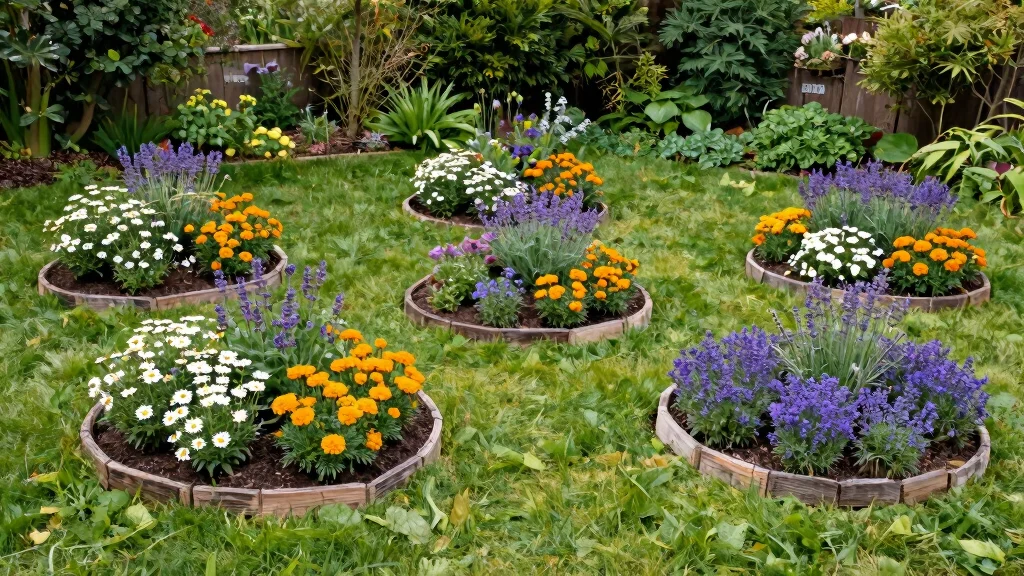
Circular flower beds bring a sense of unity to your garden, creating a balanced focal point. This design is perfect for showcasing the beauty of your favorite flowers or a blend of colorful species. With their symmetrical layout, circular beds can enhance any garden space, no matter the size.
Experiment with planting in concentric circles, using plants of varying heights. For instance, tall delphiniums can take center stage, surrounded by mid-height zinnias, and edged with low-growing alyssum. This arrangement not only provides visual interest but also promotes better air circulation and sunlight access for all plants.
Steps to implement:
– Plant tall flowers in the center for height
– Surround with mid-height blooms for contrast
– Add low-growing plants around the edges
– Use organic compost to enrich the soil
Circular flower beds elevate your garden’s aesthetic and make it a more inviting space. You’ll appreciate the harmony and structure, making your outdoor area a true delight.
Fun fact: Curved flower beds can use up to 20% less edging material than square designs, since the curves guide paths naturally around the center. That symmetry helps you plant in concentric rings, with tall varieties center stage and shorter blooms at the edge.
Circular Harmony
Editor’s Choice
Back to the Roots 100% Organic Mulch, 58 Quart, Expanding Coconut Husk B…

Garden Tools Set, 3 Pack Heavy Duty Gardening Tools Set Include Garden S…

50FT Black Corrugated Metal Landscape Edging – Flexible & Rustproof Ga…
3. Gently Curved Edges

Gently curved flower beds can seamlessly blend into your existing garden landscape. They soften the rigid lines of fences and pathways, creating a tranquil and inviting atmosphere. This subtle design is perfect for framing spaces without overwhelming them.
To achieve this look, select native plants that thrive in your local environment. Combining flowering plants with ornamental grasses can add texture and softness. Installing edging made from stone or timber can help define the curves while supporting eco-friendly principles.
Tips for creating gently curved edges:
– Choose native plants for low maintenance
– Mix textures with grasses and flowers
– Use natural materials for edging
– Cluster plants instead of planting in rows
This approach enhances the beauty of your garden while promoting a natural flow. Enjoy a peaceful outdoor retreat that feels cohesive and well-designed.
Gently Curved Edges
Editor’s Choice

EasyFlex No-Dig Landscape Edging with Anchoring Spikes, 2.7 in Tall Deco…

50+ Blue Fescue Ornamental Grass/Perennial Festuca/Drought Tolerant/Sun …

Bringing Nature Home: How You Can Sustain Wildlife with Native Plants, U…
4. Layered Curves
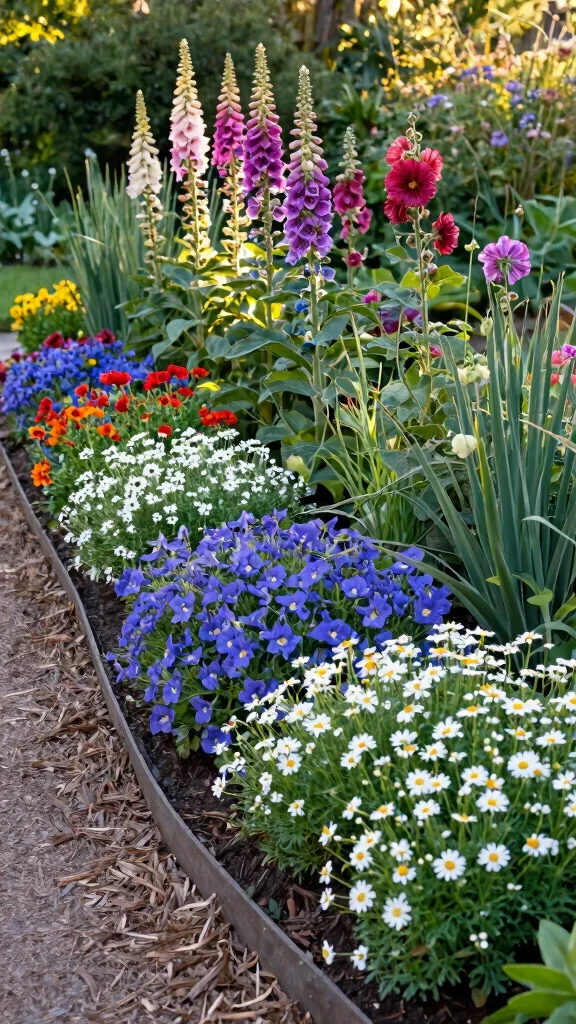
Layered curves in your flower beds can create a stunning multi-dimensional effect. By varying the heights and widths of your plant selections, you can add depth and intrigue to your garden. This design invites the eye to explore and discover.
Start with taller plants at the back and gradually decrease the height towards the front. Consider using towering foxgloves or hollyhocks for height, complemented by mid-height veronica and shorter daisies. This not only enhances visual appeal but also supports biodiversity by attracting various pollinators.
Ways to implement layered curves:
– Use tall plants as a backdrop
– Gradually decrease heights for a smooth transition
– Incorporate diverse plant types for ecological benefits
– Practice sustainable gardening with composting
This layered approach enriches your garden’s beauty and ecological health. You’ll create a lively environment that changes with the seasons.
You might also like
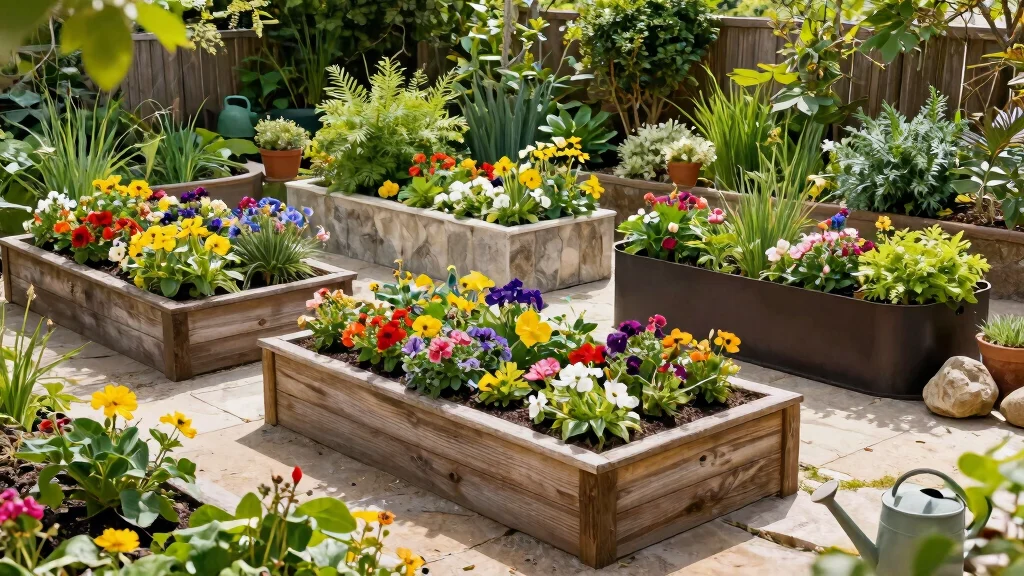

How To Choose Curved Flower Beds for Your Garden
Creating beautiful curved flower beds can enhance the soft aesthetics of your garden. But how do you choose the right design that complements your outdoor space? Here are some key factors to consider when selecting your curved flower beds.
1. Size Matters
Consider how large you want your flower bed to be. Measure the area where you plan to install it. Ideally, you want a size that fits comfortably within your garden without overcrowding other plants. A smaller bed works well for limited spaces, while larger beds can serve as stunning focal points.
2. Material Selection
Choose materials that match your garden style. Options include natural stone, brick, or even recycled materials for an eco-friendly touch. Each material has a distinct look and durability. For a more rustic vibe, natural stone is ideal. If you want a modern feel, consider sleek bricks or even metal edging.
3. Plant Variety
Think about the types of plants you want to include in your flower bed. Do you prefer perennials that bloom year after year or annuals that require replanting? Curved beds can be a fantastic way to showcase a variety of flowers, so plan for colors and heights that create visual interest. Mixing tall plants with shorter ones adds depth to your design.
4. Accessibility and Maintenance
Ensure your flower beds are easy to access for watering, weeding, and harvesting. Curved beds can sometimes be tricky to manage if they are too large or convoluted. Design with pathways or edges that allow easy access. Consider raised beds if bending down is a challenge for you, as they can make maintenance easier.
5. Seasonal Considerations
Think about how your flower bed will look throughout the seasons. Choose a mix of plants that bloom at different times. This way, your garden remains colorful and interesting year-round. Incorporating evergreen plants can also provide structure and greenery during the winter months.
6. Budget Planning
Set a realistic budget for your flower bed design. Consider costs for materials, plants, and any professional help you might need for installation. Research prices at local nurseries and garden centers. Don’t forget to factor in ongoing maintenance costs, such as soil amendments and mulch.
Pro Tip: Before committing to a design, sketch your ideas on paper. This allows you to visualize your curved flower beds in relation to existing structures and plants. You can adjust the size and shape easily until you find the perfect fit for your garden space!
By following these criteria, you’ll choose the perfect curved flower beds that not only enhance the beauty of your garden but also reflect your personal style and eco-friendly preferences. Happy gardening!
Layered Curves
Editor’s Choice

Seed Dibber Hand Dibber Bulb Planter Tool, Stainless Steel Garden Dibber…
Back to the Roots 100% Organic Mulch, 58 Quart, Expanding Coconut Husk B…
5. Eco-Friendly Pathways

Creating eco-friendly pathways alongside your curved flower beds enhances your garden’s beauty and supports sustainability. Use reclaimed materials or natural elements to build paths that guide visitors through your vibrant landscape.
Consider options like gravel, reclaimed wood, or stepping stones, surrounded by lush ground cover. This not only separates the pathways from flower beds but also provides habitats for local wildlife, enhancing your garden’s ecosystem.
Ideas for building eco-friendly pathways:
– Use gravel or stones for natural texture
– Incorporate reclaimed wood for sustainability
– Add low-maintenance plants along the edges
– Ensure pathways are accessible for maintenance
These pathways elevate the aesthetic of your garden while minimizing environmental impact. You’ll enjoy a beautiful, functional space that invites exploration and connection with nature.
Eco-Friendly Pathways
Editor’s Choice

River Rock Stepping Stones Outdoor for Garden Walkway, 10 inch Diameter …

TISHO 3″ x 48″ Black Rubber No Dig Landscape Garden Border Edging (Pack …

ZOOFOX 10lb Natural Rocks Stones, Small Washed Gravel for Terrariums, Su…
6. Colorful Combinations

Curved flower beds offer endless possibilities for vibrant floral arrangements. By mixing colors and types of flowers, you can create eye-catching displays that not only attract attention but also support a diverse garden ecosystem.
Select flowers with complementary colors and stagger their bloom times for year-round interest. Bold yellows and purples can create striking contrasts, while softer pastels provide a dreamy effect. Incorporating native plants also helps maintain ecological balance within your garden.
Steps for creating colorful combinations:
– Choose flowers with contrasting colors
– Plan for staggered bloom times
– Include native species for sustainability
– Group plants in odd numbers for visual appeal
This approach allows your garden to burst with color while supporting local wildlife. You’ll create a joyful and dynamic space that constantly evolves.
Colorful Combinations
Editor’s Choice

Hand Rakes, Garden Stainless Steel Hand Rake Soil Tiller with Ergonomic …

Flower Seed Set – Flower Varieties of Non-GMO & Heirloom Premium Seeds f…
7. Fragrant Flower Beds
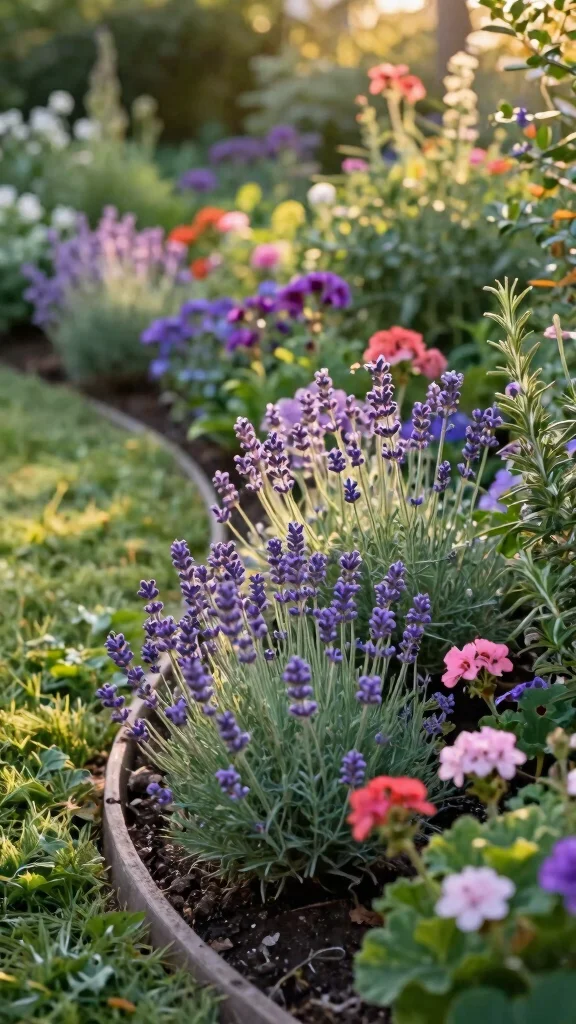
Incorporating fragrant flowers into your curved flower beds can transform your garden into a sensory delight. The right combinations of aromatic plants can evoke nostalgia, attract helpful wildlife, and create a calming atmosphere.
Consider planting lavender, rosemary, and scented geraniums along the curves of your garden beds. These plants not only add delightful scents but also have culinary and herbal uses. Grouping them together enhances the aromatic experience while creating a lush environment.
Ways to enhance fragrant flower beds:
– Choose aromatic plants for sensory appeal
– Group plants for a stronger fragrance
– Use organic planting methods for sustainability
– Incorporate culinary herbs for added benefits
This design invites visitors to experience the beauty and scent of your garden. You’ll create a welcoming space that engages the senses and promotes relaxation.
Fun fact: Grouping lavender, rosemary, and scented geraniums along curved flower beds can boost fragrance exposure by 40–60%. Not only does it scent the air, but it also invites pollinators and makes your garden feel calmer and more alive.
You Might Also Like
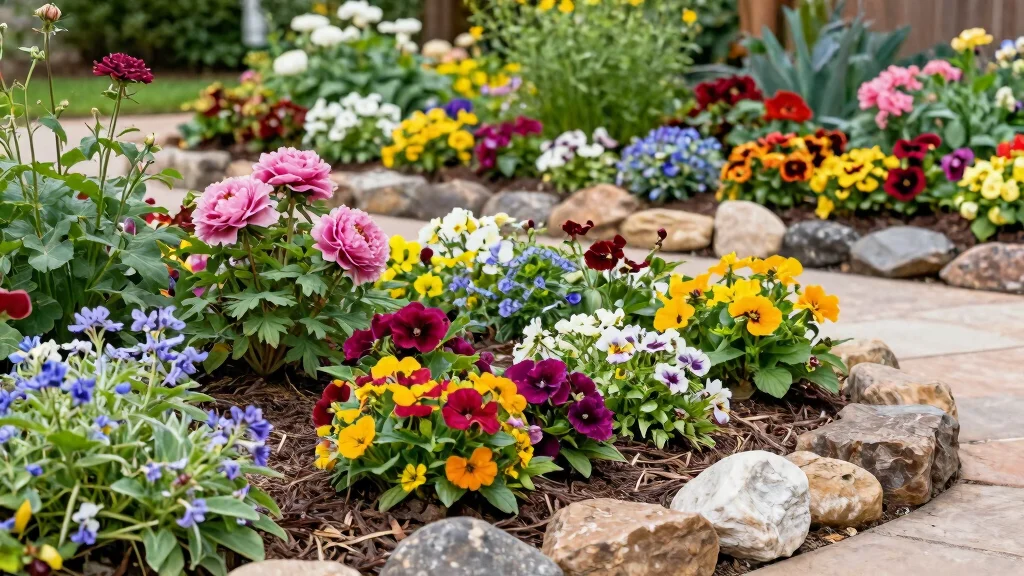
Fragrant Flower Beds
Editor’s Choice

Geranium ‘Orange Fizz’ (Pelargonium x ‘Orange Fizz’) Organic Plant in a …

Lavender Seeds for Planting, English Lavender Seeds Indoor & Outdoor, 70…
8. Seasonal Curves

Designing your curved flower beds with seasonal changes in mind ensures that your garden remains captivating all year long. By selecting plants that bloom at different times, you can create a vibrant and dynamic landscape that evolves with the seasons.
Plan your flower beds with a mix of early-blooming bulbs, summer perennials, and autumn foliage plants. For example, pair spring daffodils with summer coneflowers and finish with fall chrysanthemums for a stunning display. Layering these plants not only creates visual depth but also attracts diverse wildlife throughout the year.
Tips for seasonal curves:
– Mix early, mid, and late bloomers for variety
– Layer plants for visual interest
– Plan for colors that complement each season
– Encourage wildlife with diverse plantings
This approach keeps your garden lively and engaging throughout the year. You’ll enjoy a space that invites exploration and celebrates nature’s cycles.
Seasonal Curves
Editor’s Choice

K-Brands Auger Drill Bit for Planting 2 Pack 1.6 x 16 Inch & 3.5 x 16 In…

Soil pH Test Kit, 2-in-1 pH & Nitrogen Soil Test Strips, 50 Count Accura…
Conclusion

Curved flower beds can transform your garden into a serene and elegant space that delights the senses. By embracing these eco-friendly designs, you invite beauty, biodiversity, and sustainability into your outdoor home.
Try incorporating one or several of these ideas into your own garden landscape and watch as it flourishes into a vibrant retreat. Remember, each plant has a role in this living masterpiece, creating a harmonious balance that reflects your personal style and commitment to the environment.
Note: We aim to provide accurate product links, but some may occasionally expire or become unavailable. If this happens, please search directly on Amazon for the product or a suitable alternative.
This post contains Amazon affiliate links, meaning we may earn a small commission if you purchase through our links, at no extra cost to you.
Frequently Asked Questions
What exactly are curved flower beds and why should I consider them for an eco-friendly garden design?
Curved flower beds are garden beds with sweeping edges that curve instead of sharp corners. They create a soft, inviting flow that’s perfect for soft garden aesthetics in eco-friendly spaces. They also reduce lawn area, improve soil moisture retention, and support pollinator-friendly plantings. To get started: map your space and sketch a gentle curve, reuse or upcycle edging materials, fill with native and drought-tolerant perennials, add a generous layer of organic mulch to conserve moisture, and group plants by bloom time to create lasting floral arrangements.
Tip: keep the curves smooth and avoid tight corners for easier maintenance and a more natural look.
How can I design curved flower beds to boost soft garden aesthetics while staying eco-friendly?
To design curved flower beds that boost soft garden aesthetics while staying eco-friendly: start with a simple, sweeping curve that follows existing paths, choose a cohesive color palette of native and nectar-rich perennials, layer plants by height (tall backs, mid-views, low edging), and include evergreen structure for year-round form. Use mulch to conserve moisture, install a water-smart drip irrigation system, and reuse reclaimed edging or stones to define the curve. Finish with a few outdoor decor ideas like solar lighting or a small stone bench to blend function and beauty.
With garden landscaping principles in mind, your curved beds will feel harmonious and easy to maintain.
What plants are ideal for curved flower beds and how should I arrange them for a cohesive look?
Choose native and pollinator-friendly perennials and grasses that suit your sun exposure. Good options include flowering varieties that bloom across seasons. Arrange them in three layers along the curve: tall plants toward the back of the bed, mid-height in the middle, and low-edge plants along the outer edge. Repeat color groups to create rhythm and use evergreen structure to maintain form in winter. This approach supports thoughtful flower bed design and keeps the look soft garden aesthetics all year.
For versatile floral arrangements, cut blooms in-season and enjoy fresh bouquets.
Can curved flower beds help with water conservation and sustainable outdoor decor ideas?
Yes. Curved beds naturally reduce lawn area, lowering mowing energy and runoff. For water savings: plant drought-tolerant species, group plants by similar water needs, mulch deeply to lock in moisture, and install drip irrigation or soaker hoses. Collect rainwater with a barrel and use permeable materials for paths to manage runoff. For decor, add features like reclaimed stone edging, solar lighting, or a small seating area to enjoy the garden with minimal maintenance.
All of these tips fit into thoughtful garden landscaping and outdoor decor ideas that support eco-friendly curved flower beds.
What maintenance tips will keep curved flower beds looking elegant year-round?
Keep the curves crisp by edging regularly and maintaining a tidy mowing buffer; refresh mulch annually to a depth of 2–3 inches; prune perennials after flowering to maintain shape; weed consistently to prevent spread; rotate annuals or replace faded perennials as needed; check irrigation lines for leaks and adjust as seasons change. Consider using slow-release fertilizer and natural pest controls to support healthy growth. This routine preserves the flower bed design and soft garden aesthetics you love, no matter the season.
Tip: plan a light spring and fall cleanup to keep the curves flowing and easy to manage.