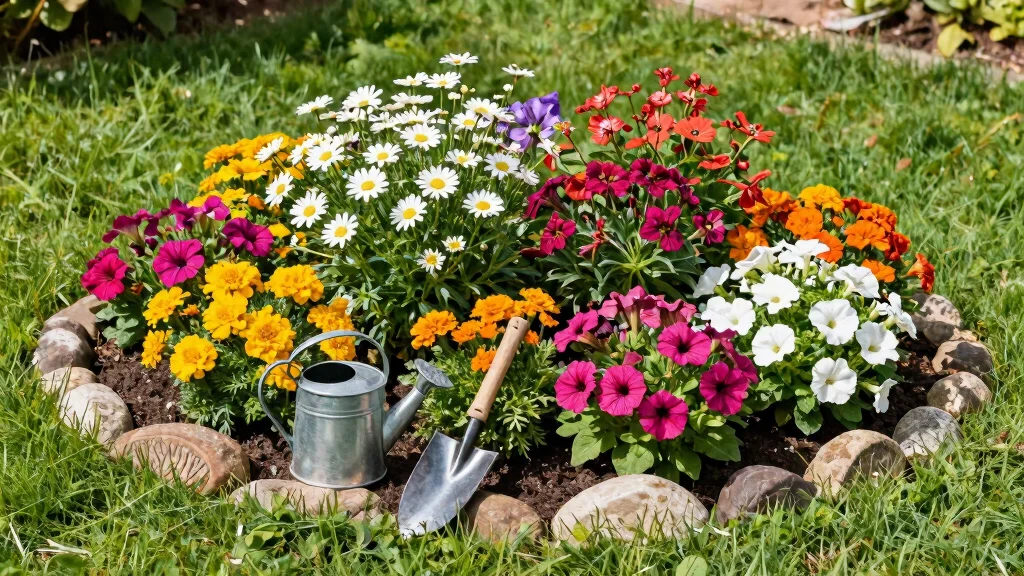
Creating a beautiful flower bed in front of your house doesn’t have to be daunting. In fact, with the right ideas, it can be an enjoyable project that boosts your home’s curb appeal. If you’re craving a vibrant, welcoming entrance but don’t have a green thumb, you’re in the right place. This post stems from a desire to help homeowners like you transform their front yards into stunning displays of nature without the stress of complicated designs.
If you’re someone who appreciates gardening but feels overwhelmed by the maintenance or complexity of flower bed design, stick with me! This guide is tailored for those who want to add charm to their front yards without endless upkeep. You’ll find nine simple flower bed ideas that are not only easy to implement but also perfect for small spaces. By the end, you’ll be equipped with fresh, colorful garden inspiration that will turn your home into a neighborhood standout.
Get ready to explore options like the classic rose garden and eye-catching annuals that add a pop of color. Each idea is designed to be low-maintenance, so you can enjoy your garden without feeling tied down. Let’s dive into these easy garden ideas that will leave your front yard looking fantastic with minimal effort.
Key Takeaways
– You can create stunning flower beds that enhance your home’s curb appeal with simple designs suitable for any skill level.
– Explore nine unique ideas that include classic, colorful, and low-maintenance options tailored for small spaces.
– Each flower bed design focuses on ease of care, ensuring that you spend less time maintaining and more time enjoying your garden.
– Learn practical tips for choosing flowers that will thrive in your environment, making your bed both beautiful and sustainable.
– Transform your front yard into a welcoming space that reflects your personal style, all while increasing your home’s visual appeal.
1. The Classic Rose Garden
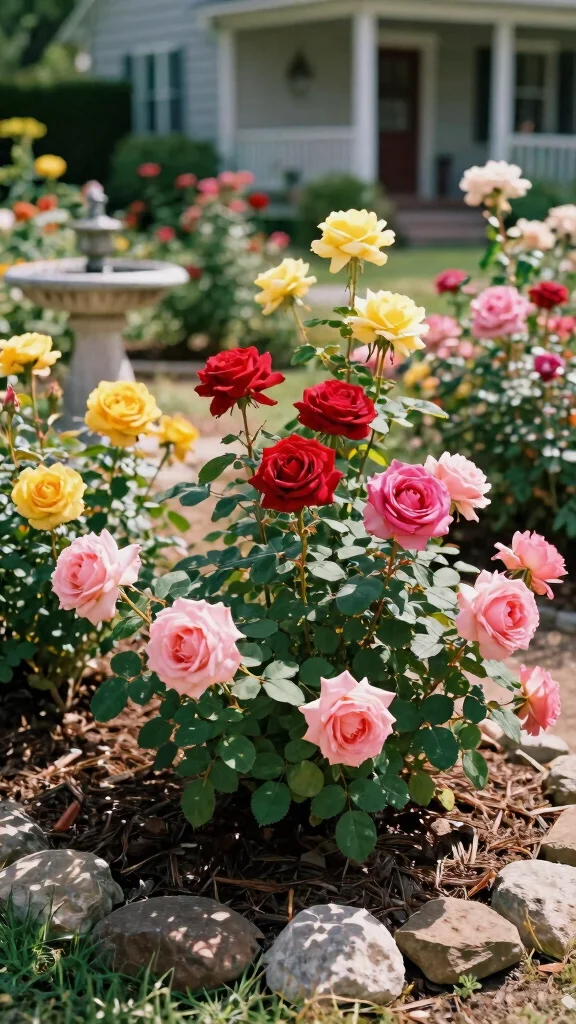
Looking to elevate your front yard? A classic rose garden is the perfect solution. With their enchanting colors and captivating fragrances, roses can transform your home into a romantic retreat. Consider low-growing varieties like miniature roses or ground cover types that fit snugly into smaller spaces, and pair them with vibrant perennials for continuous color through the seasons. You can design a circular bed around a charming feature like a tree or garden statue to enhance the visual appeal.
Start by selecting the right rose varieties for your climate, focusing on disease-resistant options. Mix in different colors for a stunning effect and consider companion plants like lavender to attract pollinators. Don’t forget to add a layer of mulch to retain moisture and suppress weeds.
Key steps for your rose bed:
– Choose disease-resistant varieties for your climate.
– Combine various colors for dynamic visuals.
– Add lavender or salvia to attract bees.
– Use mulch to keep moisture in.
With a little attention, your rose garden will flourish, adding timeless beauty to your home.
A classic rose garden is proof that simple flower beds in front of your house can become a timeless centerpiece. Choose miniature roses or ground-cover varieties for easy maintenance, then circle a tree or statue to create instant charm. Pair bold perennials for color that lasts from season to season.
The Classic Rose Garden
Editor’s Choice

Women in My Rose Garden: The History, Romance and Adventure of Old Roses


Design Toscano Spring Awakening Classic Woman Garden Statue, 14 inches w…
2. Vibrant Annuals for a Pop of Color
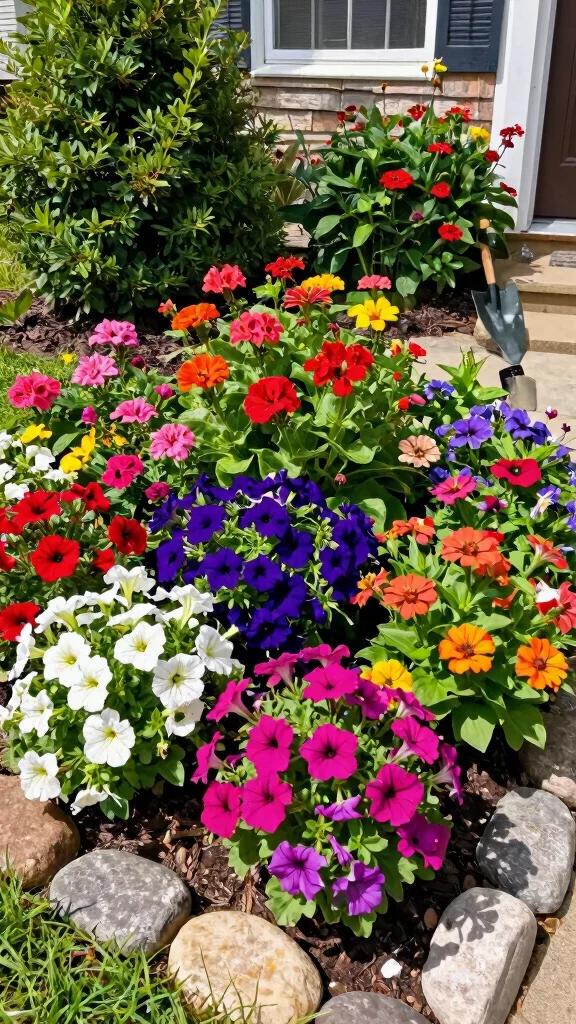
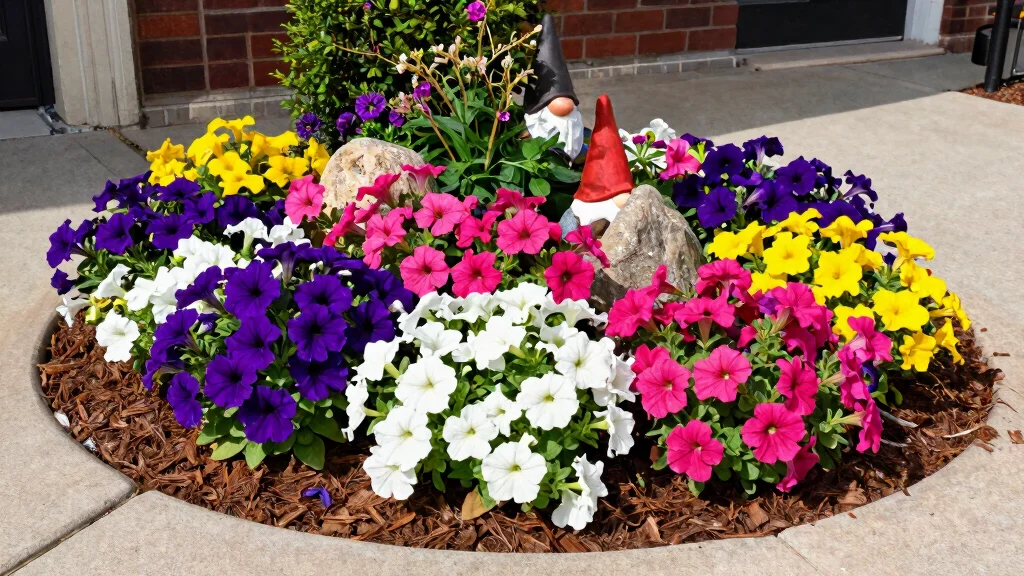
Want to bring instant vibrancy to your front yard? Planting annual flowers is an excellent way to add color and charm. Flowers like petunias, geraniums, and zinnias bloom all season, giving you a lively display that can be refreshed each year. They’re particularly great for beginners, as they tend to be low-maintenance. Mix colors and heights for an eye-catching flower bed, and cluster them for a bold statement. Remember to deadhead spent blooms to encourage new growth!
Ensure you space your plants correctly for optimal growth. Keep them well-watered, especially during hot spells, and use a balanced fertilizer to support their health. You can even change your flower bed seasonally to keep things fresh and exciting.
How to thrive with annuals:
– Follow spacing guidelines for healthy growth.
– Water regularly, especially in heat.
– Use balanced fertilizer for vibrant blooms.
– Refresh your flower bed each season.
With vibrant annuals, your front yard will radiate joy and invite visitors to enjoy your colorful oasis.
Vibrant Annuals for a Pop of Color
Editor’s Choice

Miracle-Gro Shake ‘N Feed All Purpose Plant Food – Outdoor and Indoor Pl…

Kynup Garden Tools, Gardening Tools Set with Garden Hand Shovel, Garden …
3. Native Wildflower Garden
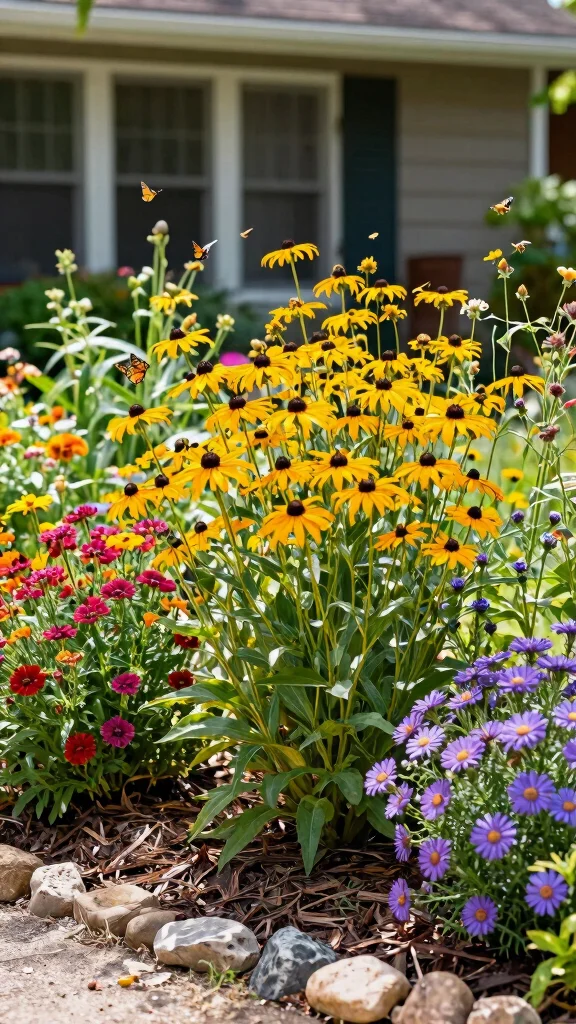
Why not celebrate your local environment with a native wildflower garden? Native plants are low-maintenance and provide essential support for local wildlife, including bees and butterflies. Choose wildflowers that thrive in your area, and watch your flower bed come alive with stunning seasonal blooms. This eco-friendly choice requires minimal watering once established and adapts well to your local soil. Plus, the variety of blossoms and textures offers a beautiful, natural aesthetic.
Start by researching local wildflower species for best results. Prepare your soil by loosening it and adding compost for extra nutrients. You can scatter seeds for a natural look or plant them in clusters for more control. Although they need little care, occasional weeding will keep them healthy.
Essential tips for a wildflower garden:
– Pick native species for optimal growth.
– Enhance soil fertility with compost.
– Scatter seeds or cluster plant for desired look.
– Weeding and mulching will maintain health.
A native wildflower garden will not only enhance your curb appeal but also contribute positively to your local ecosystem.
Native Wildflower Garden
Editor’s Choice

Wildflower Seeds Bulk Mix – 10,000+ Perennial & Annual Seeds – Texas, Ca…

Garden Tools Set, 3 Pack Heavy Duty Gardening Tools Set Include Garden S…
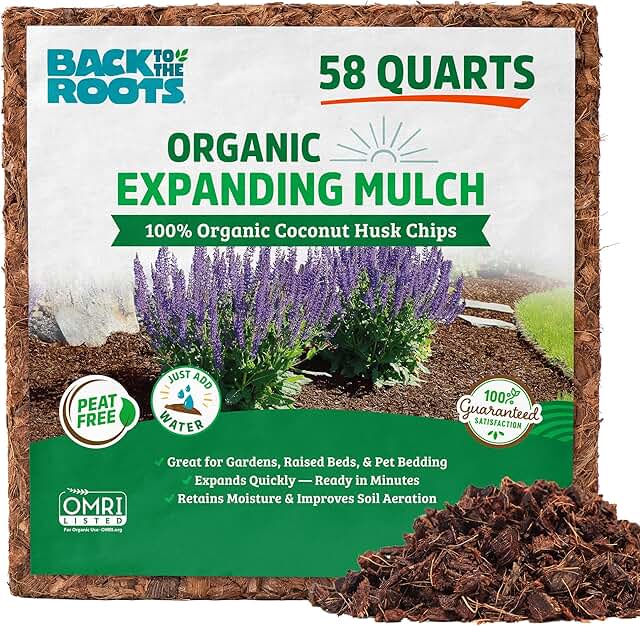
Back to the Roots 100% Organic Mulch, 58 Quart, Expanding Coconut Husk B…
4. Elegant Perennial Borders
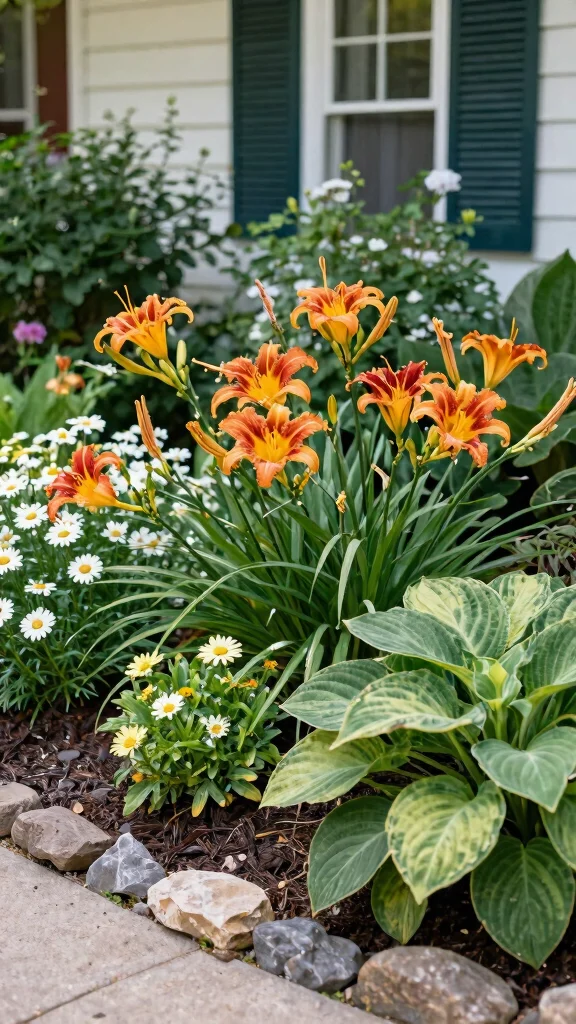
Perennials are the backbone of any lasting garden, offering beauty year after year. Create an elegant border in your front yard with a variety of perennials that bloom at different times, ensuring a vibrant display throughout the seasons. Use daylilies, hostas, and daisies for a visually appealing mix. By combining heights and textures, you can create depth and a lush garden atmosphere. Plus, perennials often require less upkeep once established, making them ideal for busy gardeners.
To design a stunning perennial border, use taller plants in the back and shorter ones in the front for dimension. Choose a color scheme that complements your home’s exterior and select varieties that bloom at different times for year-round interest. Mulching around your plants will help keep weeds at bay and retain moisture.
To achieve a stunning perennial border:
– Place taller plants in the back for depth.
– Select colors that match your home’s style.
– Opt for varieties that bloom at different times.
– Mulch to keep weeds down and moisture in.
With thoughtful planning, your perennial border can become a standout feature in your front yard, showcasing elegance and charm.
Elegant Perennial Borders
Editor’s Choice

185+ Mixed Color Hosta Seeds for Planting Outdoors- Shade/Cold Tolerant …
5. Container Flower Beds
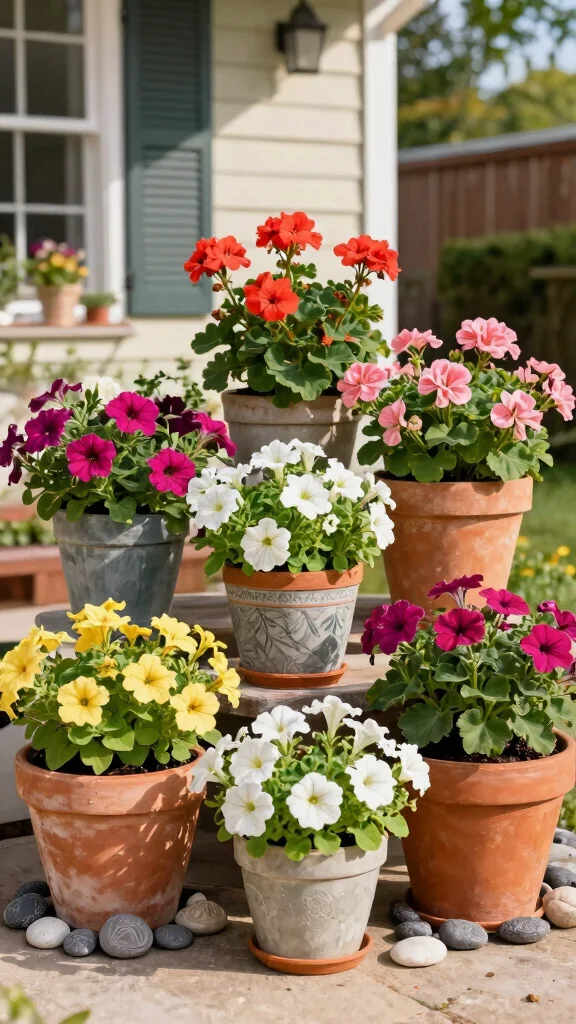
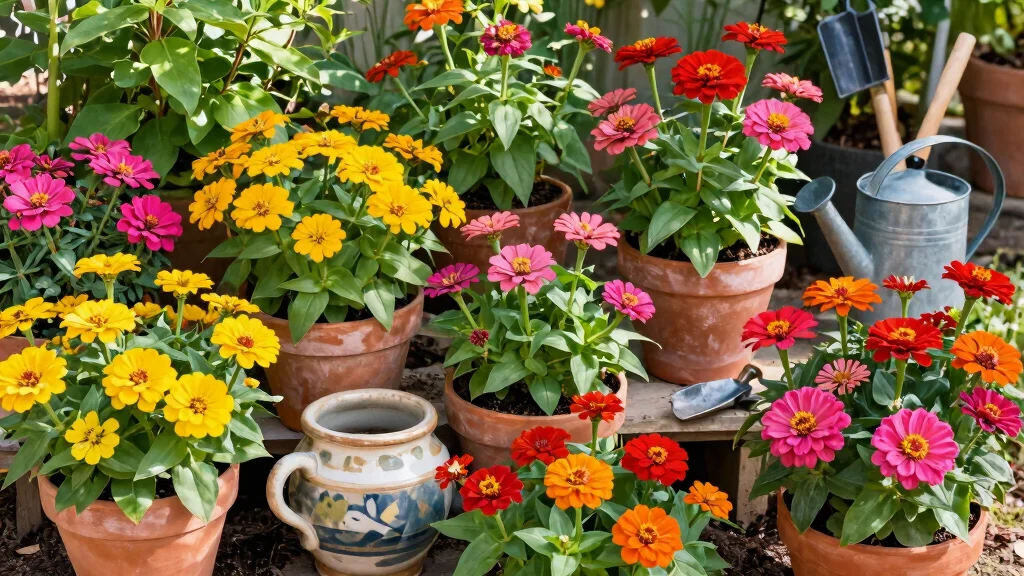
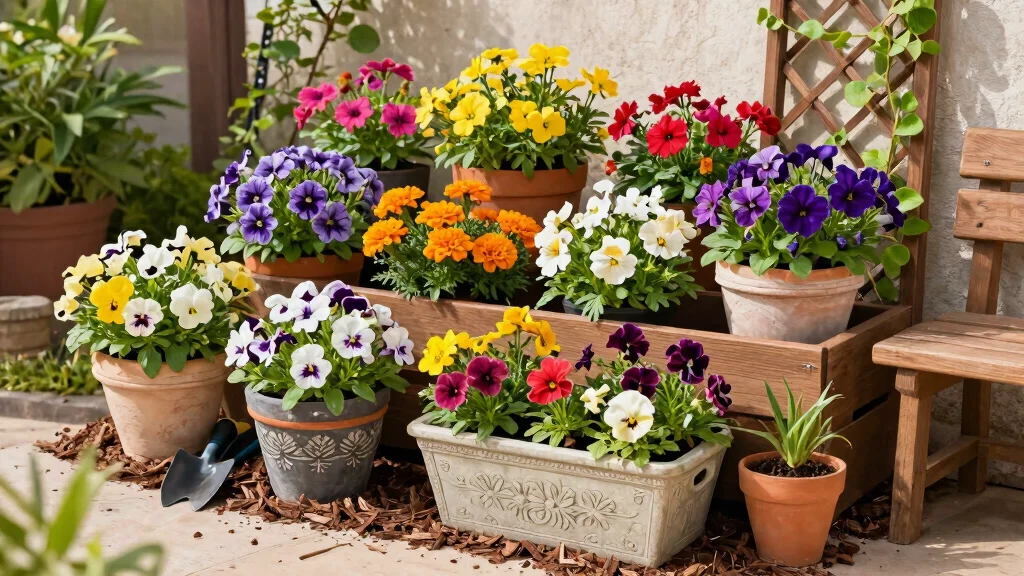
Limited space? Container gardening is a fantastic way to add colorful flowers to your front yard. Using pots and raised beds allows for flexibility and creativity, enabling you to mix flowers like petunias and geraniums with herbs for a unique flair. The best part is that you can easily move containers to optimize sunlight and keep your display looking fresh all season long. Group pots of different heights and shapes for added visual interest while maintaining a cohesive color scheme.
When choosing containers, ensure they are large enough for your plants. Make sure each pot has drainage holes to prevent overwatering, and consider rotating flowers seasonally to keep the display vibrant. Arranging pots in clusters can create an inviting atmosphere.
Here’s how to make the most of container flower beds:
– Pick containers that fit your chosen plants.
– Ensure pots have drainage holes for healthy growth.
– Rotate flowers each season for variety.
– Group pots together for a cohesive look.
Container flower beds provide an excellent opportunity to showcase your style, making them perfect for small front yards or patios.
You might also like
Container Flower Beds
Editor’s Choice

JNYONG 60 Packs 3.15 Inch Peat Pots,Biodegradable Pots for Seedlings wit…

Yaheetech 8×2ft Wooden Horticulture Raised Garden Bed Divisible Elevate…
6. Rock Gardens with Succulents
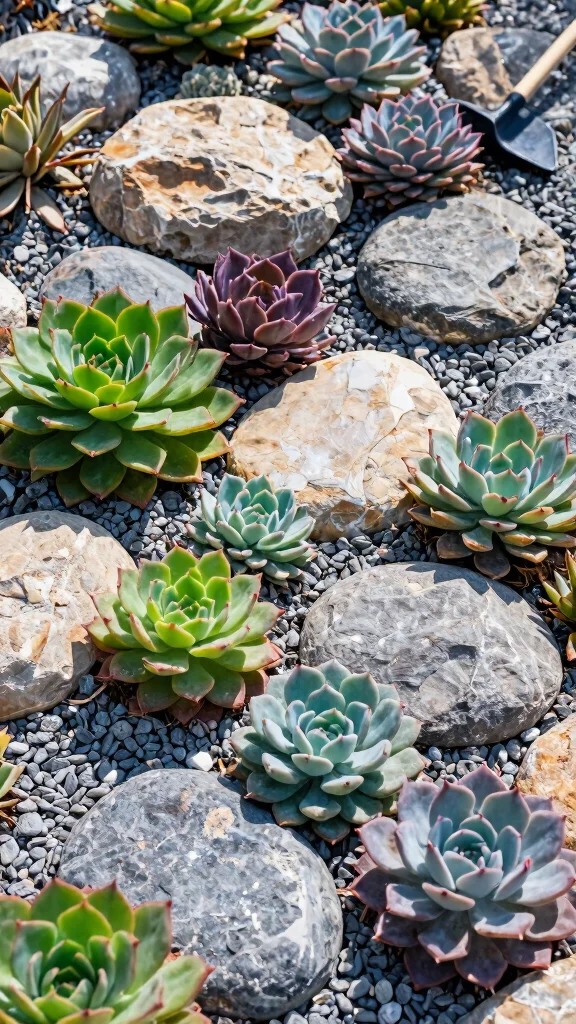
Looking for a unique and modern take on flower beds? Rock gardens featuring succulents are an excellent choice. By combining drought-resistant plants with rocks and gravel, you can create a stunning landscape that requires minimal water and maintenance. This garden style works beautifully in smaller spaces and adds a contemporary touch to your home. Choose succulents in various shapes and colors, mixing them with colorful stones for an eye-catching effect. You can also create different levels for added depth and interest.
Select a location with good drainage and plenty of sunlight for your rock garden. Start by layering larger rocks as a base and using smaller stones for decoration. Mixing different types of succulents can enhance visual appeal, and be mindful of watering, especially in the initial weeks.
Tips for designing a rock garden:
– Find a sunny spot with good drainage.
– Layer rocks for a natural look.
– Mix succulents for contrast and beauty.
– Monitor watering during the establishment phase.
Rock gardens are a stylish, low-maintenance option that will enhance your front yard effortlessly.
📹 Related Video: FRONT SUCCULENT ROCK GARDEN RE-DO
Rock Gardens with Succulents
Editor’s Choice
Garden Tools Set, 3 Pack Heavy Duty Gardening Tools Set Include Garden S…
Altman Plants, Live Succulent Plants (20 Pack) Assorted Potted Succulent…

Mulctun 45LB Natural White Rocks, 1/4″-3/4″ Garden River Rock,Decorative…
7. Herb and Flower Combo Beds
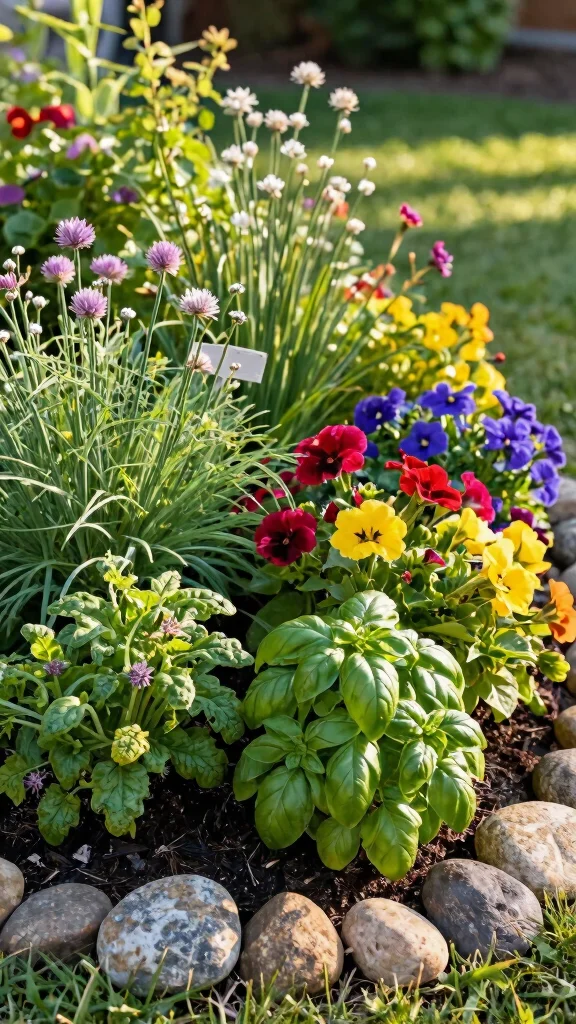
Why not combine beauty with utility by creating a flower bed that includes herbs? Herbs not only add lovely blooms but also offer fresh ingredients for your kitchen. Consider planting flowers like chive blossoms, basil, or marigolds alongside your favorite herbs. This blend brings color and fragrance, enhancing your front yard while providing delicious options at your fingertips. Arrange taller herbs in the back and shorter flowers in the front for an attractive layout.
Choose herbs with colorful blooms that fit your landscape, ensuring they share similar light and water needs. Incorporate edible flower varieties for an extra culinary twist, and remember to trim herbs regularly to promote healthy growth.
Suggestions for herb and flower combinations:
– Select colorful herbs that enhance your garden.
– Ensure similar growth requirements for harmony.
– Add edible flowers for a culinary touch.
– Trim herbs to encourage lush growth.
An herb and flower combo bed beautifully merges aesthetics and practicality, making it a smart choice for your front yard.
Turning a front yard into a herb-and-flower combo bed is my easy win. You get fresh basil and chive blossoms within arm’s reach, plus a brighter, more fragrant curb appeal. Simple flower beds in front of house just got practical and pretty.
Herb and Flower Combo Beds
Editor’s Choice

Seed Needs Herb Seeds Variety Pack Culinary Herb Collection (12 Individu…
8. Low-Maintenance Perennial Ground Covers
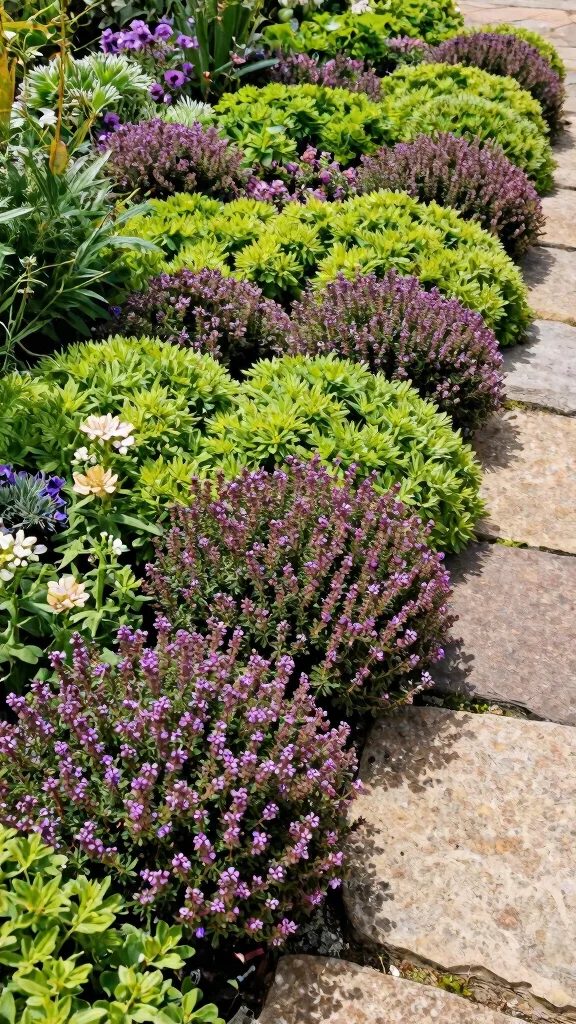
If you want a carpet of color without the hassle of traditional flower beds, ground covers are your answer. Plants like creeping thyme, sedum, and ajuga create a lush green base while producing lovely blooms. These low-growing varieties spread quickly and suppress weeds, making them perfect for front yard landscaping. Ground covers can fill gaps between stepping stones or form delightful borders along paths. Mixing flowering and non-flowering varieties adds layers and visual interest.
For successful ground cover gardens, ensure you have well-drained soil and choose plants suited to your yard’s sunlight conditions. Combine flowering and foliage plants to maintain year-round beauty, and remember that even low-maintenance options may need occasional trimming to stay tidy.
Key points for using ground covers:
– Prepare well-drained soil for optimal growth.
– Choose plants suited to your yard’s sun exposure.
– Mix flowering and foliage varieties for interest.
– Trim occasionally for a neat appearance.
Ground covers are an effortless way to enhance your front yard’s beauty while minimizing maintenance.
For simple flower beds in front of house, ground covers like creeping thyme and sedum act as a living carpet—colorful, low-maintenance, and weed-smashing. Practical tip: mix flowering and non-flowering varieties for texture.
You Might Also Like
Low-Maintenance Perennial Ground Covers
Editor’s Choice

10 in. x 20 in. Sedum Groundcover Mat, Non-toxic Hardy Stonecrop for Lan…

20000+Creeping Thyme Seeds for Planting Outdoor-Heirloom Thymus Serpyllu…

Ajuga ‘Chocolate Chip’, Bugleweed, Carpet Bugle, Ground Cover, Choco…
9. Seasonal Flower Displays
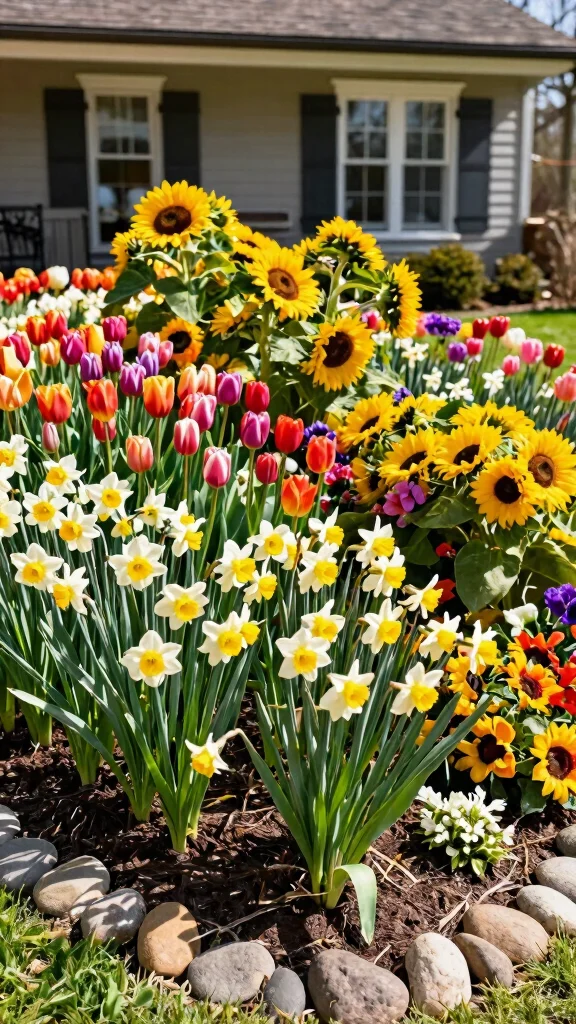
If you thrive on change, seasonal flower displays can keep your front yard feeling fresh and lively. Planting flower beds that evolve with the seasons allows you to enjoy a variety of colors and textures throughout the year. In spring, tulips and daffodils bring cheer, while summer can feature sunflowers and zinnias. This approach creates an engaging rotation that keeps your home inviting and vibrant. Consider designing your flower bed in layers for easy transitions between seasons.
To create stunning seasonal displays, plan ahead by selecting flowers that bloom at varied times. Layer flowers for depth and interest, and remember to remove spent blooms to maintain a tidy appearance. Incorporating bulbs guarantees early spring color that returns each year.
How to create seasonal displays:
– Choose flowers that bloom at different times.
– Layer for depth and visual interest.
– Remove wilted blooms to keep it tidy.
– Include bulbs for reliable spring color.
Seasonal flower displays not only enhance your curb appeal but also make gardening an exciting experience as you witness your yard’s transformation throughout the year.
How To Choose the Right Simple Flower Beds for Your Front Yard
Creating a beautiful flower bed in front of your house doesn’t have to be overwhelming. By considering a few key factors, you can select a design that fits your style and maintenance preferences. Here’s how to choose the right simple flower beds that anyone can pull off.
1. Consider Your Space
Before planting, think about the size of your front yard. Measure the area where you want to place your flower bed. A smaller area may require lower-growing plants, while larger spaces can accommodate taller flowers. Typically, aim for a width of 3 to 4 feet for easy maintenance. Knowing your space helps keep the design proportional and manageable.
2. Choose the Right Flowers
Selecting flowers is crucial for a stunning display. Think about color combinations and blooming seasons. For year-round interest, mix perennials with annuals. Perennials return each year, while annuals provide vibrant color for a season. For example, pairing daisies with marigolds offers both longevity and brightness. Check your local climate to ensure your choices will thrive.
3. Assess Sunlight and Soil Type
Understanding sunlight exposure is vital. Observe how much sun your designated area receives daily. Most flowers need at least 6 hours of sunlight. Also, test your soil type. If it’s heavy clay or sandy, you may need to amend it with organic matter to support healthy growth. Flowers like petunias thrive in well-draining soil, while impatiens prefer shadier spots.
4. Think About Maintenance
Some flower beds require more care than others. If you prefer low-maintenance options, go for native plants or drought-tolerant varieties. These plants often need less water and are adapted to local conditions. For example, echinacea (coneflower) is a beautiful and resilient option. Remember, the less maintenance, the more time you can spend enjoying your garden.
5. Incorporate Hardscaping Elements
Adding hardscaping elements can enhance your flower bed’s design. Consider using stones, bricks, or garden edging to define the space. Raised beds can also create visual interest and improve drainage. Incorporating pathways will make your garden more accessible. These elements help frame your flowers and add structure to your front yard.
6. Budget Considerations
Finally, set a budget for your flower bed. Costs can vary based on plant selection, soil amendments, and hardscaping materials. Research local nurseries for plant prices and consider starting with a few flower varieties. You can gradually add more flowers and features over time. This approach makes your project more manageable financially.
Pro Tip: Start small! Test out your flower bed design with a few plants. You can always expand later as you learn what works best in your garden.
By following these guidelines, you’ll be well on your way to creating a lovely front yard flower bed that boosts curb appeal and brings joy to your home. Happy gardening!
Seasonal Flower Displays
Editor’s Choice

Complete Flower Bulb Garden – 75 Bulbs for 50 Days of Continuous Blooms …

5Pcs Succulent Tools,Mini Garden Tools,Pruning Scissors as Plant Accesso…
Conclusion
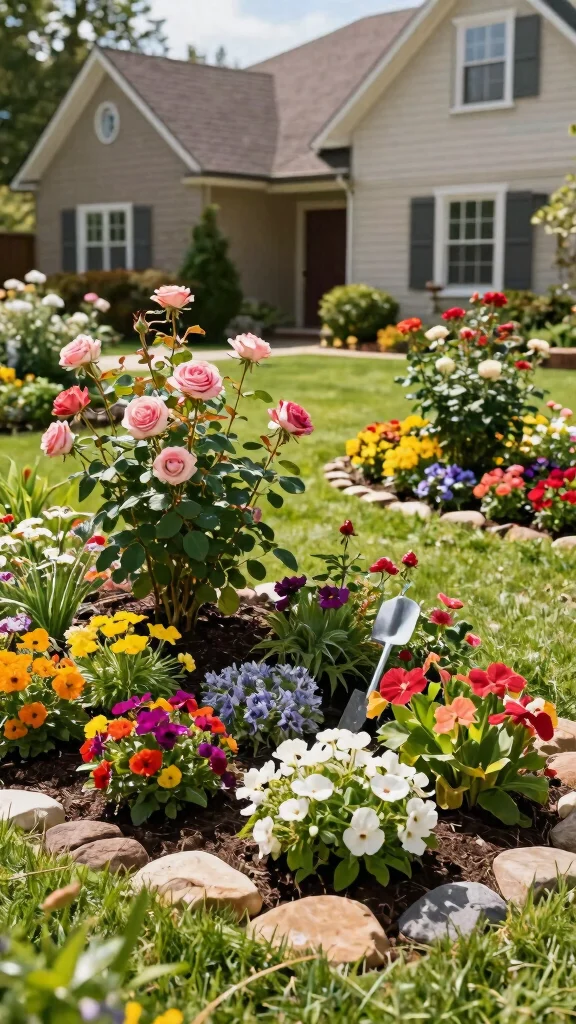
Each of these simple flower bed ideas provides a unique way to enhance the beauty of your front yard.
From classic roses to vibrant annuals and functional herb beds, there’s something for every gardening enthusiast. By choosing low-maintenance designs, you ensure that your flower beds remain an effortless source of enjoyment and curb appeal. Dive into your gardening journey today, and let your front yard become a canvas of color and creativity that reflects your personality.
Note: We aim to provide accurate product links, but some may occasionally expire or become unavailable. If this happens, please search directly on Amazon for the product or a suitable alternative.
This post contains Amazon affiliate links, meaning we may earn a small commission if you purchase through our links, at no extra cost to you.
Frequently Asked Questions
What are some simple flower beds in front of the house that are easy to maintain in a small yard?
Think low effort, big impact. Choose a curved or rectangular bed with a simple backbone of evergreen plants and a few repeating color accents. Go for hardy perennials like lavender, daylilies, salvia, and hostas for lasting form and color with minimal work. Use mulch to 2-3 inches to suppress weeds and conserve moisture, and install a simple drip irrigation line for truly easy garden ideas.
Regular but quick tasks—deadheading spent blooms, a light prune after blooming, and dividing larger perennials every few years—keep the bed neat. That’s how you achieve simple flower beds in front of the house that work beautifully in small spaces.
How can I design front yard landscaping using simple flower beds in front of the house to maximize curb appeal with minimal upkeep?
Start with a simple plan: pick a curved bed or clean rectangle, keep the edges crisp, and repeat a few colors to create cohesion. Build an evergreen backbone (boxwood, small conifers, or dwarf shrubs) so the bed looks good year-round. Place taller flowers at the back (delphinium, echinacea, or salvia), medium blooms in the middle, and groundcovers or grasses at the edge. Choose plants with similar sun and water needs to cut maintenance. Mulch to 2-3 inches and consider a drip or soaker hose for front yard landscaping. With these basics, you’ll have simple flower beds in front of the house that add curb appeal with minimal effort.
Which plants are best for colorful flower arrangements in small front yards that require little upkeep?
Look for repeat bloom and strong foliage. Good options include coreopsis, echinacea, lavender, salvia, daylilies, and sedum. Use them in easy color-blocked combinations: tall back row, mid-height mid-layer, and a low, spreading edge with groundcovers like creeping thyme or blue fescue. These selections are drought-tolerant and low-maintenance, great for colorful flower arrangements in small spaces. Repeat the same plants across different garden beds for a cohesive look you can truly pull off.
What maintenance steps should I expect after planting simple flower beds in front of the house, and how often should I care for them?
During the first 6-8 weeks, water regularly until established. After that, rely on mulch (2-3 inches) to reduce weeds and moisture loss. Deadhead spent blooms every couple of weeks to encourage continuous color, and prune back after flowering season to keep forms neat. Weeding weekly can help in spring and early summer. Fertilize lightly in spring with a balanced 10-10-10 or slow-release formula. Check irrigation lines once a season and adjust as temperatures shift. With these habits, your simple flower beds in front of the house stay tidy with minimal effort.
Are there easy garden ideas or quick tweaks to improve front yard landscaping with simple flower beds in front of the house?
Yes. Start with a cohesive color palette and repeat it across the bed for colorful flower arrangements that feel intentional. Add low-maintenance groundcovers like creeping thyme or vinca to fill gaps and reduce weeding. Use evergreen grasses or a small focal plant to give year-round texture and interest. A simple edging and a path lighting plan can boost curb appeal tips without a full redo. With just these tweaks, you can nail simple flower beds in front of the house in a small space.
Related Topics
simple flower beds
front yard landscaping
low-maintenance gardens
easy flower arrangements
curb appeal
small space gardening
colorful blooms
beginner friendly
DIY flower beds
seasonal flowers