
Spring is in the air, and the urge to get your hands dirty in the garden is strong! You might be craving a cozy, green oasis right in your backyard, but let’s face it—building a garden can sometimes feel overwhelming. That’s why I put together this post filled with 10 DIY garden beds ideas you can build this weekend on a budget. If you’re looking for ways to spruce up your outdoor space without breaking the bank, you’ve come to the right place!
Whether you’re a seasoned gardener or just starting on your green-thumb journey, these ideas cater to anyone who’s passionate about creating a beautiful garden. If you’re short on space, don’t worry! Many of these projects focus on vertical DIY garden beds, making them perfect for small yards or even patios. You’ll find that each idea is not only cost-effective but also a fun weekend project that offers a sense of accomplishment when you see your plants thrive.
In this post, you’ll discover creative and sustainable gardening solutions that will allow you to grow your favorite flowers, herbs, and vegetables. From vertical pallet garden beds to hanging gutter planters, each suggestion comes with step-by-step instructions and tips to help you get started. Imagine enjoying fresh herbs from your own mini-garden or having an eye-catching planter that makes your neighbors take notice. Let’s jump in and explore these budget-friendly projects that will transform your outdoor space this weekend!
Key Takeaways
– Explore a mix of creative, affordable DIY garden beds that cater to small spaces, making gardening accessible to everyone.
– Each project emphasizes vertical gardening, ideal for maximizing space while adding aesthetic appeal to your yard.
– You’ll find detailed instructions on how to build each garden bed, ensuring you can tackle these projects with confidence.
– These ideas not only provide a productive gardening experience but also promote sustainability by using upcycled materials.
– Unleash your creativity this weekend and enjoy the satisfaction of growing your own plants, no matter your gardening experience.
1. Vertical Pallet Garden Bed
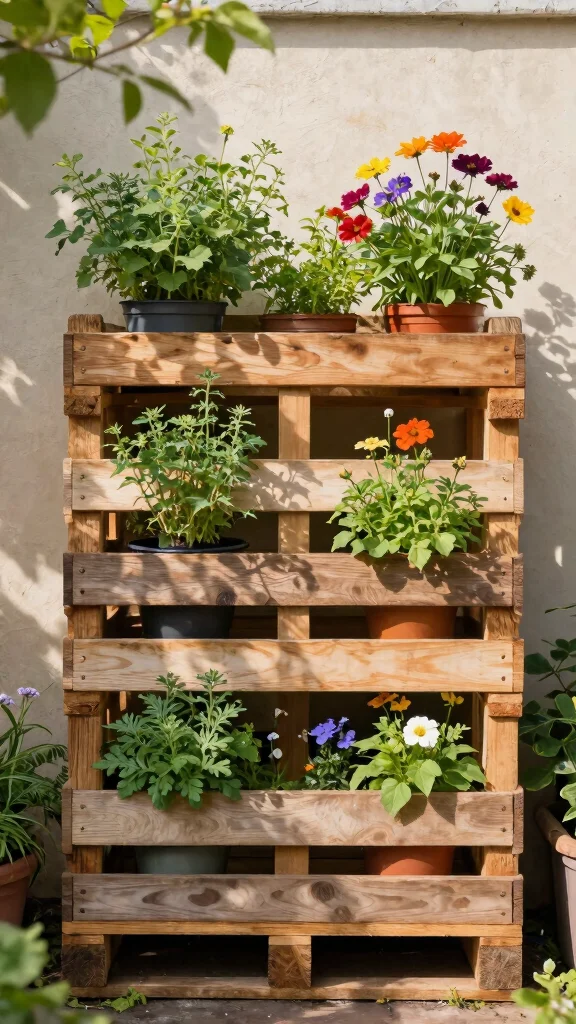
Looking to maximize your gardening space? An old wooden pallet can be transformed into a striking vertical garden bed that showcases your favorite plants. This project is not only budget-friendly but also adds a unique touch to your outdoor area. Fill the slats with potting soil and watch your herbs, flowers, or even small veggies like strawberries flourish beautifully over the edges.
Start by preparing your pallet: sand it down to eliminate splinters and seal it with a non-toxic coating for moisture protection. Select plants that thrive in vertical arrangements, such as trailing vines or succulents, to create visual interest. Keep an eye on drainage; adding holes will prevent water retention and ensure your plants thrive.
Key steps to get started:
– Sand the pallet to prevent splinters.
– Choose plants suitable for vertical growth.
– Ensure proper drainage for healthy plants.
This vibrant pallet garden becomes a colorful focal point in your outdoor space while efficiently utilizing vertical space.
Turn a plain pallet into a thriving vertical garden bed and watch your small space bloom. It’s budget-friendly, beginner-friendly, and you can pack herbs, flowers, or even strawberries in the narrow slots. With diy garden beds, your balcony becomes a lush, edible oasis.
Vertical Pallet Garden Bed
Editor’s Choice
Garden Box Sealer | FDA Food Contact Safe Plant-Based Wood Sealant for R…


Burpee, 9 Quarts | Premium Organic Potting Natural Soil Mix Food Ideal f…
Treaton, Heavy-Duty 2-Way Entry Wooden Pallet – 31x24x5”, Industrial…
2. Mason Jar Herb Garden

Want a charming and space-saving way to grow herbs? A mason jar herb garden is the perfect solution! You can create a delightful setup by filling jars with potting soil and planting herbs like basil, mint, and parsley. Hang them on a sunny kitchen wall or place them on a windowsill for easy access.
To bring your idea to life, use jars of various sizes for visual appeal and make sure they have drainage holes. Position your jars where they will receive ample sunlight, ideally in south-facing windows. Regularly trim your herbs to encourage fuller growth and keep them looking tidy.
Here’s how to create it:
– Use different jar sizes for variety.
– Place jars in sunny spots for best growth.
– Trim herbs regularly for a bushier look.
This whimsical herb garden not only adds greenery to your home but also ensures fresh herbs are always within reach for your cooking needs.
A mason jar herb garden can turn a tiny kitchen wall into a fresh, budget-friendly pantry. Hang jars of basil, mint, and parsley in sunny spots, and you’ll save trips to the store—plus you’ll enjoy herbs at a glance.
Mason Jar Herb Garden
Editor’s Choice

Rainforce 16 oz Mason Jars With Lids Regular Mouth 15 Pack-16oz Glass Ja…

Small Garden Tools – 3 Pcs Mini Garden Tools Set with Small Trowel, Mini…

Miracle-Gro Potting Mix – For Container Plants, Flowers, Vegetables, Shr…
3. Stacked Tire Planters

Why not give old tires a second life? Stacked tire planters offer a creative way to establish tiered garden beds without heavy lifting. Just stack the tires, fill them with soil, and plant flowers or veggies. Painting the tires in bright colors can bring a playful touch to your garden.
To ensure safety, make sure the tires are clean and free from chemicals. The open structure allows for excellent drainage, but remember to check moisture levels frequently during hot days. You can mix and match colors for a whimsical look or choose a uniform style for a more streamlined appearance.
Consider these tips:
– Clean tires thoroughly before use.
– Check moisture levels frequently in hot weather.
– Mix colors or maintain a uniform look.
Stacked tire planters not only save space but also infuse character into your garden design.
Stacked Tire Planters
Editor’s Choice
ColorLugs RubberWriter Paint Pen for Car Tires | Oil-Based Marker for Ti…

Adam’s Polishes Wheel & Tire Cleaner 16oz – Professional All in One Car …

Espoma Organic Vegetable & Flower Garden Soil Natural and Organic in Gro…
4. Hanging Gutter Planters

Looking to elevate your gardening? Hanging gutter planters are a fantastic way to repurpose old rain gutters into charming vertical gardens. Cut them to your desired length, mount them securely against a wall or fence, and fill them with soil and plants. They’re perfect for trailing plants like strawberries or herbs that can beautifully spill over the edges.
For installation, ensure the gutters are securely mounted to hold the weight of the soil. Drill drainage holes at the bottom to prevent root rot. Hang the planters at a height that allows for easy access and maintenance.
Here’s what you should do:
– Securely mount gutters to support weight.
– Drill drainage holes to prevent rot.
– Position at an accessible height for care.
This creative solution not only saves space but adds a unique visual element to your garden or patio.
Hanging Gutter Planters
Editor’s Choice

3 otters 15-Piece Diamond Hole Saw Kit for Plant Pots, DIY Gardening & C…

VYH Downspout Adapter Gutter Downspout Strap 2×3 Leader Strap 2×3 2pcs (…

Miracle-Gro Organic Outdoor Potting Mix – Plant Soil for Outdoor Contain…
5. Wooden Crate Garden Beds
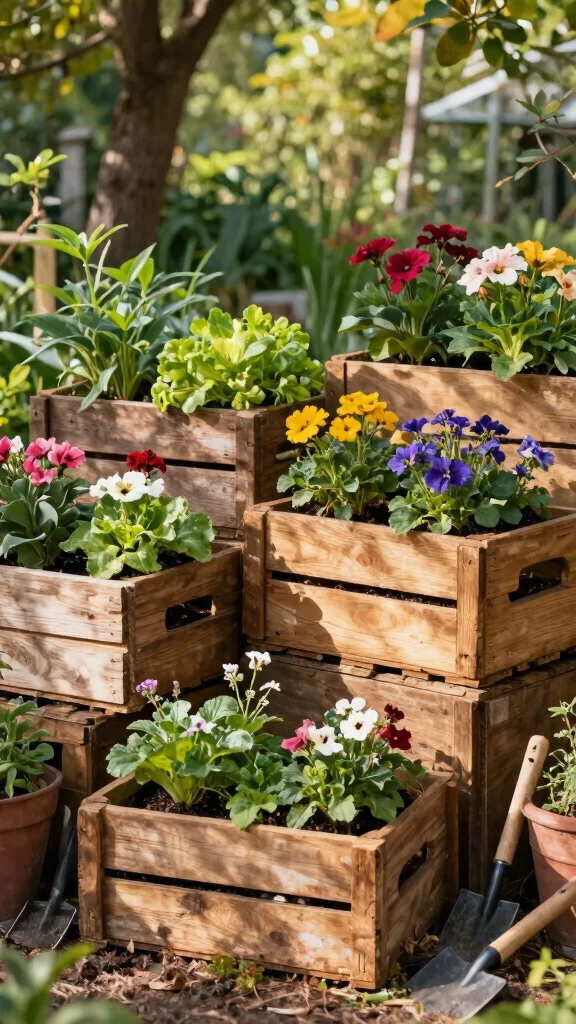
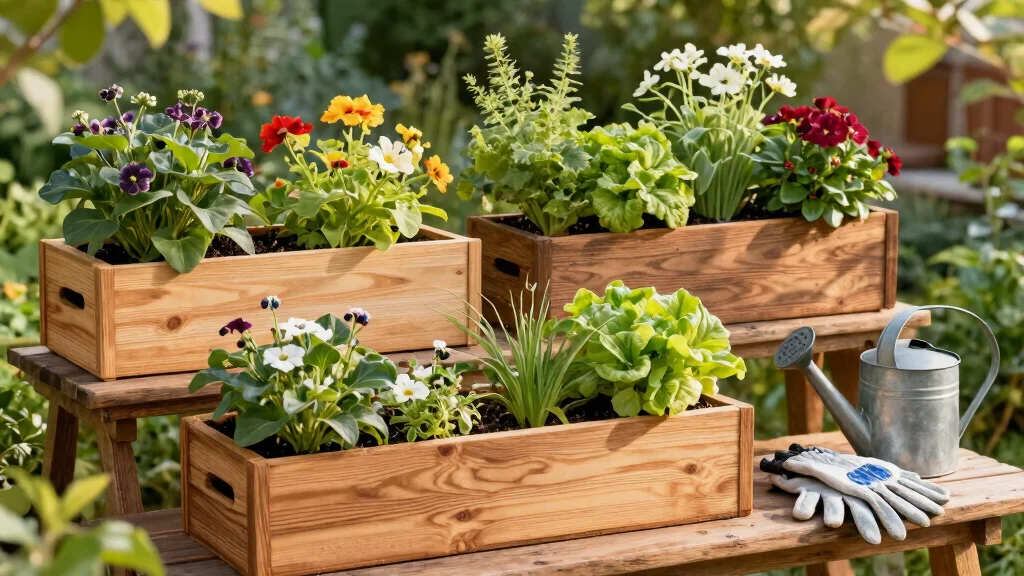
Transform wooden crates into rustic garden beds that blend style with function! Whether you opt for new or reclaimed wood, these crates create a cozy space for your plants. Stack crates on top of each other or place them side by side to form raised beds filled with soil for flowers or vegetables.
To enhance their beauty and durability, consider staining the wood. Using crates of different sizes adds dimension to your garden layout. Raised beds make gardening easier on your back, allowing for comfortable tending.
Here’s how to get started:
– Stain wood for protection and beauty.
– Use various sizes for visual interest.
– Enjoy easier access to plants with raised beds.
Wooden crate beds not only serve as a focal point in your garden but also provide a sustainable solution for your gardening needs.
You might also like

Wooden Crate Garden Beds
Editor’s Choice
Burpee, 9 Quarts | Premium Organic Potting Natural Soil Mix Food Ideal f…
VICTORY RELAX Nesting Wood Storage Crates (Set of 3) – Light Natural Aca…

Varathane 368035 Less Mess Wood Stain and Applicator, 4 oz, Golden Oak
6. Vertical Ladder Garden
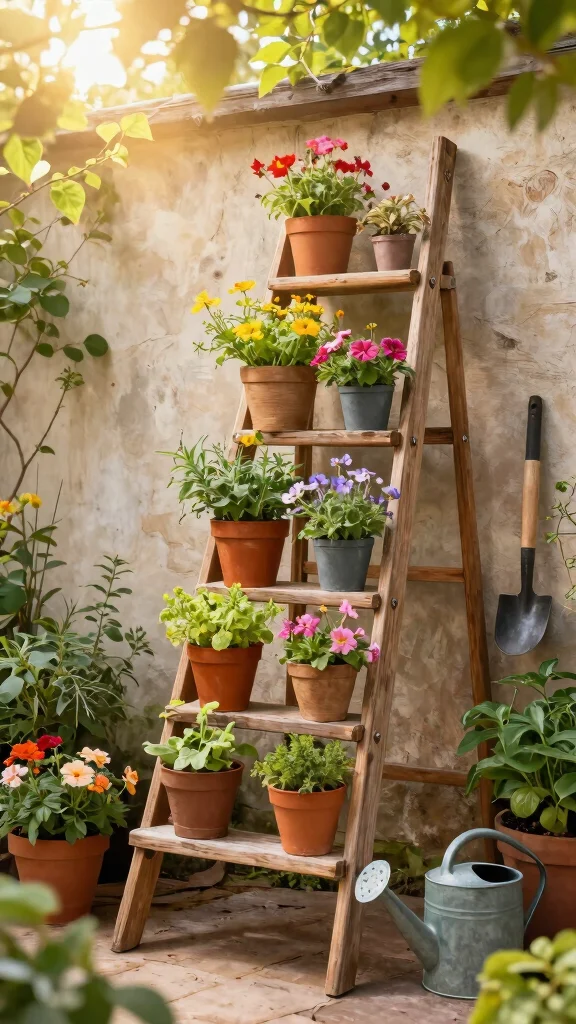
Have a wooden ladder lying around? Turn it into a vertical garden for added height and character! Lean the ladder against a wall and adorn each step with pots filled with colorful flowers or herbs. This setup creates layers and depth in your gardening space.
Ensure the ladder is securely positioned to prevent tipping. Lightweight pots are ideal to minimize weight on the steps. Regular watering is essential, as different plants may have varying sunlight needs.
Things to consider:
– Secure the ladder to avoid tipping.
– Use lightweight pots for ease.
– Water plants according to their needs.
This stylish approach maximizes your space creatively while adding a whimsical touch to your garden.
📹 Related Video: Vertical Ladder Planter DIY
Vertical Ladder Garden
Editor’s Choice

GameXcel Vertical Planter Tower – 5 Tier Stackable Garden Planters with …

Fasmov 1-Gallon Plastic Watering Can with Comfortable Handle, Garden Wat…
Burpee, 9 Quarts | Premium Organic Potting Natural Soil Mix Food Ideal f…
7. Cinder Block Planters

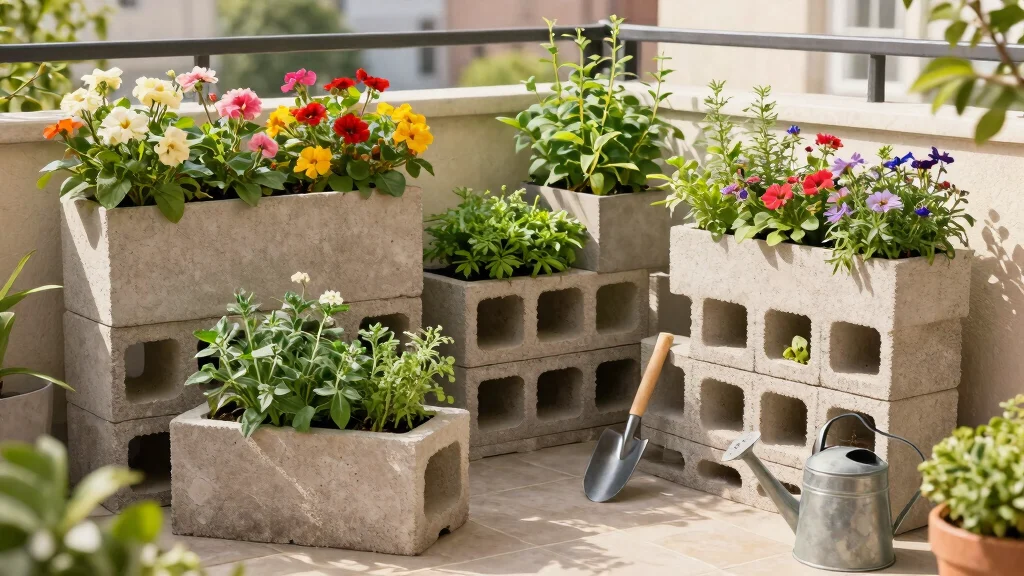
Cinder blocks offer an affordable and versatile option for creating stunning garden beds! Their sturdy design provides excellent drainage and support for a variety of plants. You can stack the blocks to form raised beds or arrange them in creative patterns. Fill each block’s hollow space with soil and plant flowers, herbs, or even succulents.
Experiment with different configurations by arranging blocks vertically or horizontally to suit your space. Consider painting the blocks for a pop of color or lining them with landscaping fabric for extra flair. Opt for plants that thrive in tighter spaces, such as low-growing flowers or herbs.
Key points to remember:
– Try different arrangements for best fit.
– Paint blocks for added aesthetics.
– Choose plants suitable for small areas.
Cinder block planters not only serve a functional purpose but also make a bold statement in your garden.
Cinder Block Planters
Editor’s Choice

GOTIDEAL Acrylic Paint Set with 10 Brushes, 18 Colors Outdoor/Indoor (59…
Burpee, 9 Quarts | Premium Organic Potting Natural Soil Mix Food Ideal f…
Zhanmai 50 Pack Foam Bricks Building Blocks for Kids Foam Cinder Blocks …
8. Upcycled Container Garden

Get creative with upcycled containers to craft a unique garden! From old buckets to wine barrels, there’s no limit to what you can transform into charming planters. Fill chosen containers with a mix of flowers, herbs, or even vegetables to reflect your style.
Ensure your containers have drainage holes to keep plants healthy. Group plants with similar water and light needs together for easier maintenance. Using containers of various heights and colors can create visual interest in your garden.
Here’s what to keep in mind:
– Ensure containers have drainage for healthy roots.
– Group plants with similar care needs.
– Create visual interest with different heights.
This artistic approach to gardening allows for plenty of creativity and personalization in your outdoor space.
Upcycled containers make any DIY garden beds project possible—no shop-bought boxes required. Pro tip: add drainage holes, group plants by water and light needs, and vary heights for instant visual interest. With a little creativity, your small space thrives on a budget.
You Might Also Like
Upcycled Container Garden
Editor’s Choice
Burpee, 9 Quarts | Premium Organic Potting Natural Soil Mix Food Ideal f…

Power Planter DIY Guru Garden Auger- 3″x12″ Drill Bit Hole Digger for Po…

COOLJOB Waterproof Gardening Work Gloves with grip for Women & Men, Doub…
9. DIY Vertical Planter Box
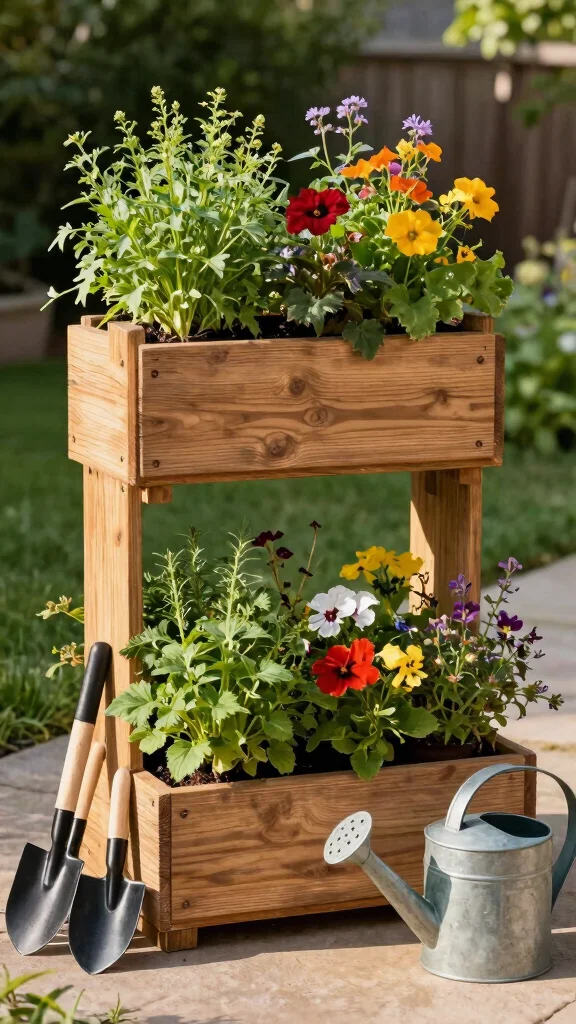
Craft your own vertical planter box for a stylish and organized gardening solution that fits any space! This project is simple to customize based on your size and design preferences. Stack boxes for a tiered effect and fill them with your favorite plants, with herbs and flowers looking especially stunning in this arrangement.
Use untreated wood or repurpose old pallets to create your planter box. Applying a water-resistant sealant will help prolong its life. Position the box at a reachable height for easy watering and harvesting.
Here’s how to make it:
– Choose untreated wood or repurpose pallets.
– Apply sealant for durability.
– Position for easy access during gardening.
With a lovely vertical planter box, gardening becomes a joy, even in the smallest outdoor areas.
Difficulty Rating & Requirements
Overall Difficulty Rating: Medium
Building DIY garden beds can be rated as medium difficulty. While some projects are simple enough for beginners, others may require some skills and tools that you might need to learn. This makes it ideal for those who have a bit of experience with gardening or woodworking but is not overly complicated for enthusiastic newcomers. If you’re ready to get your hands dirty and learn as you go, this is a perfect weekend project!
Time Estimate:
⏱ Estimated time: 4 to 8 hours
– Planning and gathering materials: 1-2 hours
– Assembly of the garden bed: 2-4 hours
– Planting and setup: 1-2 hours
Skill Requirements:
– Required skills: Basic woodworking principles, measuring, and cutting
– Beginner-friendly: Yes! Most projects are suitable for beginners, especially if you follow guides or video tutorials.
– Skills that can be learned: Using basic tools like a saw and drill. You can also learn how to measure accurately.
– Skills requiring experience: Advanced woodworking techniques, such as joinery, can be challenging for beginners. Basic measuring and cutting skills are essential for all projects.
Tools & Materials Needed:
🧰 Essential items checklist:
– Wood (e.g., cedar, pine) – Required
– Saw (hand saw or circular saw) – Required
– Drill with bits – Required
– Measuring tape – Required
– Level – Optional but helpful
– Landscape fabric – Optional
– Soil and compost – Required
– Plants or seeds – Required
Step-by-Step Overview:
1. Planning and Design (1-2 hours): Decide on the size and type of your garden bed. Sketch out your plan and gather materials. Consider where you want to place your bed for the best sunlight exposure.
2. Cutting and Assembling (2-4 hours): Measure and cut your materials to size. Assemble the pieces using screws or brackets. Make sure everything is level and stable.
3. Preparing the Site (1 hour): Clear the area where your garden bed will go. If needed, lay down landscape fabric to prevent weeds.
4. Filling and Planting (1-2 hours): Fill your garden bed with soil and compost, mixing well. Plant your chosen plants or seeds according to their spacing and depth requirements.
Cost Comparison:
Professional vs DIY: Hiring a professional to install raised garden beds can run you anywhere from $500 to $1,500, depending on the size and complexity. In contrast, a DIY project can cost as little as $50 to $250, depending on your material choices and design. If you’re comfortable with tools and want to save money, DIY is a great option. However, if you’re unsure about your skills or the time commitment, hiring help might be worth it.
DIY Vertical Planter Box
Editor’s Choice

Garden Tools Set, 3 Pack Heavy Duty Gardening Tools Set Include Garden S…

Wood Pallet DIY Garden: 30 Unique Projects to Transform Your Outdoor Space

GE Advanced Silicone Caulk for Kitchen & Bathroom, Clear, 2.8 fl oz Tube…
10. Recycled Plastic Bottle Garden

Transform plastic bottles into eco-friendly vertical gardens with this fun DIY project! This sustainable method of container gardening is not only budget-friendly but also allows for creativity. Cut the bottles and use them as planters for herbs, flowers, or even small vegetables. Hang them on fences or walls to keep your garden tidy.
Clean the bottles thoroughly to prevent pests, and make drainage holes at the bottom for proper water flow. Get creative with different bottle sizes and colors for an eye-catching arrangement.
Consider these tips:
– Clean bottles well to avoid pests.
– Make drainage holes for healthy plants.
– Experiment with sizes and colors for appeal.
Recycled plastic bottle gardens offer a fun way to practice sustainable gardening while making a stylish statement in your space.
Recycled Plastic Bottle Garden
Editor’s Choice

Power Drill Cordless: DEKOPRO Cordless Drill 20V Electric Power Drills S…

Fiskars Bypass Pruning Shears, 5/8″ Cut Capacity Gardening Scissors, Sel…
Miracle-Gro Organic Outdoor Potting Mix – Plant Soil for Outdoor Contain…
Conclusion

With these ten DIY garden bed ideas, you can easily transform your small space into a thriving garden oasis this weekend.
Each project not only saves money but also allows you to experiment with your gardening style while being sustainable. Whether you opt for vertical pallets, hanging gutters, or even upcycled containers, there’s no limit to the beauty you can create.
So grab your tools, gather your materials, and let your gardening journey begin!
Note: We aim to provide accurate product links, but some may occasionally expire or become unavailable. If this happens, please search directly on Amazon for the product or a suitable alternative.
This post contains Amazon affiliate links, meaning we may earn a small commission if you purchase through our links, at no extra cost to you.
Frequently Asked Questions
Question: How can I maximize space with vertical diy garden beds in a small yard?
For a small yard, start with vertical garden beds you can build around walls, fences, or a portable ladder setup.
Use diy garden beds materials like reclaimed wood, cedar, or sturdy pallets, and seal or line them to weatherproof.
Add proper drainage—drill drainage holes and use a liner or landscape fabric—so roots don’t sit in wet soil.
Choose compact, high-yield crops such as lettuce, spinach, herbs, radishes, and strawberries that thrive in containers.
With a few hours on the weekend, it’s a perfect weekend project that delivers a quick win for weekend gardening ideas and sustainable gardening in a tiny space.
Question: What are budget-friendly materials for building diy garden beds and how to ensure durability?
Look for budget-friendly materials like reclaimed wood, pallets, cinder blocks, or corrugated metal.
These options fit affordable garden projects and keep the project light on the wallet.
Build sturdy frames, seal the wood against moisture, and line beds with landscape fabric to protect against rot.
Drill drainage holes and consider a simple bottom layer of rocks or gravel for drainage.
Keep weight manageable by using a raised bed with legs or a container approach.
Taking these steps helps your diy garden beds last for years and supports sustainable gardening.
Question: Can I combine container gardening with vertical garden beds to create a multi-layered space?
Absolutely. Use container gardening pots of different heights along a vertical garden beds frame to create a layered look.
This works great on balconies and narrow patios and is a perfect fit for weekend gardening ideas.
Choose lightweight pots and a simple drip irrigation system so water reaches every level without a mess.
Plant herbs, lettuce, peppers, and compact tomatoes that don’t need deep soil, and move plants around as you rotate crops.
This hybrid setup keeps plants mobile and maxes out small-space yield while staying budget-friendly.
Question: What are common mistakes to avoid when building DIY garden beds for weekend gardening ideas?
Common mistakes include underestimating weight and soil volume, skipping drainage, or sealing wood poorly which leads to rot.
Not planning sun exposure and accessibility creates maintenance headaches.
Using untreated or low-grade lumber can be unsafe; opt for pressure-treated or rot-resistant options and seal them well.
Overfilling with soil reduces drainage and starves roots; mix soil with compost and perlite for aeration.
Finally, ignore irrigation and pest prevention—install a simple drip line or soaker hose and use row covers or organic controls to keep things productive as part of sustainable gardening.
Question: How do I maintain and seasonally adapt vertical diy garden beds to stay productive on a budget?
Seasonal care keeps vertical garden beds productive year-round.
In spring, refresh soil with compost, top up with a light, fluffy mix, and plant cool-season greens; in summer, mulch to conserve moisture and water early or late to beat the heat; in fall, succession-plant and add cold-tolerant greens.
Save money by mulching with leaves, grass clippings, or straw and collecting rainwater for irrigation.
Rotate crops to protect soil health and control pests, and regularly inspect for rot or damage; quick repairs can extend the life of your diy garden beds as part of sustainable gardening.
Related Topics
diy garden beds
raised garden beds
container gardening
vertical gardening
budget friendly
weekend projects
sustainable gardening
small space gardening
affordable garden projects
easy gardening
beginner friendly
outdoor decor