
Creating a beautiful garden can feel like a daunting task, but you’re in luck! With the rise of concrete raised garden beds, you can embrace modern garden design while ensuring your space is both functional and aesthetically pleasing. I made this post to showcase how concrete can be a game changer for your garden, blending durability with style. If you’re someone who loves gardening, whether you’re a seasoned pro or a hobbyist, this guide is perfect for you.
You’ll discover nine innovative concrete raised garden bed ideas, specifically designed for sustainable urban gardening. These ideas are not only chic but also serve as durable garden solutions that can withstand the test of time. From minimalist designs to tiered layouts, each suggestion will help you create an outdoor space that reflects your personality while being practical for growing a variety of plants. Get ready to dig into a world of outdoor gardening ideas that will inspire you to elevate your gardening game!
Key Takeaways
– Explore Unique Designs: Discover nine creative concrete raised garden bed ideas that range from minimalist boxes to tiered setups, perfect for any garden style.
– Sustainability Focus: Learn how concrete can contribute to sustainable urban gardening, allowing you to grow healthy plants while being eco-friendly.
– Durability Matters: Understand the benefits of using concrete, a material known for its long-lasting quality, ensuring your garden beds will withstand the elements.
– Enhance Aesthetics: See how concrete garden beds can elevate your garden’s look, making it a stylish addition to your outdoor space.
– Practical Gardening Tips: Gain insights into raised bed gardening tips that will help you maximize your gardening experience and yield.
1. Minimalist Concrete Boxes
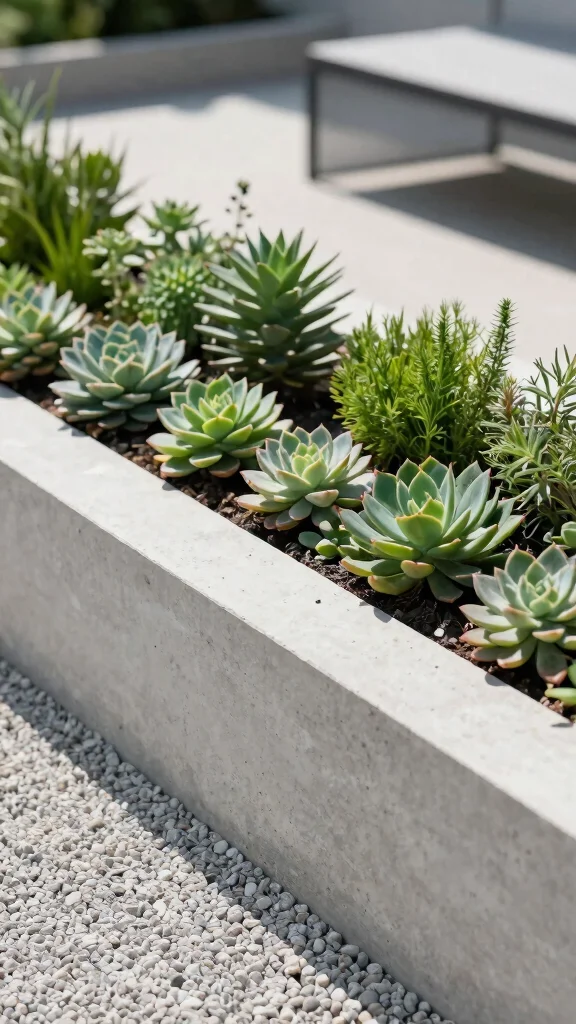
If you love modern aesthetics, minimalist concrete box raised beds are a perfect fit for your garden. Their sleek lines and geometric forms not only look stunning but also provide a versatile way to arrange your plants. You can mix and match these boxes to create a unique design that enhances your outdoor space’s appeal.
To make the most of your minimalist concrete boxes, focus on a neutral color scheme that highlights the raw beauty of the concrete. Pair these beds with simple plants like herbs or succulents to keep the look clean and cohesive. Adding gravel or pebbles around the base can elevate the overall aesthetics even more.
Key tips for minimalist concrete boxes:
– Select a calm color palette to highlight the concrete.
– Choose low-maintenance plants for easy care.
– Surround with decorative stones for enhanced beauty.
This approach not only simplifies your gardening efforts but also ensures a chic, modern presentation that is perfect for urban settings.
Minimalist Concrete Boxes
Editor’s Choice

Vanessa Outdoor Modern Medium Cast Stone Rectangular Planters (Set of 2)…

2. Tiered Garden Beds

Tiered concrete raised garden beds create a striking focal point while maximizing your available space. Their layered design can follow the natural contours of your yard, allowing you to grow a variety of plants in a visually engaging way.
To benefit from tiered beds, consider using them in smaller areas where traditional gardens might be cramped. The elevation not only adds depth to your garden but also improves drainage, keeping your plants healthy and thriving. You can plant a mixture of vibrant flowers and fresh veggies to create a lively and productive garden space.
Benefits of tiered garden beds:
– Utilize vertical space for maximum plant variety.
– Create visual interest with layered designs.
– Ensure better drainage to prevent water issues.
With tiered beds, your garden becomes not just functional but also a stunning centerpiece that draws attention.
Fun fact: tiered concrete raised garden beds maximize space—up to 30% more planting area in small yards. The layered design boosts drainage and makes it easier to reach herbs, veggies, and blooms without stepping on soil. Your sustainable urban garden will thank you.
Tiered Garden Beds
Editor’s Choice

EasyFlex No-Dig Landscape Edging with Anchoring Spikes, 2.7 in Tall Deco…
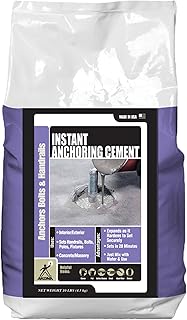
Akona Instant Anchoring Cement – Quick Setting Powder, Set Railings, Bol…
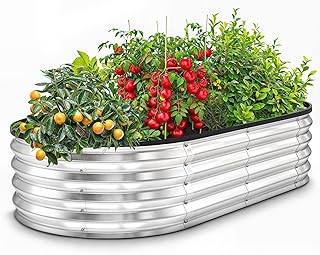
Utopia Home Galvanized Raised Garden Bed Kit 4x2x1ft, Planter Box Raised…
3. Concrete Planters with Integrated Seating

Imagine enjoying your garden while sitting amongst your plants with concrete planters that include seating. These clever designs offer a comfortable spot to relax while showcasing your favorite greenery.
When designing your seating planters, think about creating bench-style options that allow you to sit and garden simultaneously. You can use wide, low beds to form communal seating areas surrounded by beautiful flowers. Adding cushions can enhance comfort without sacrificing style.
Design ideas for integrated seating:
– Build a long bench-style planter for dual use.
– Use low beds as cozy seating areas.
– Add cushions for extra comfort in style.
This design not only encourages relaxation but also transforms your garden into a welcoming space for gathering and enjoying nature.
Concrete Planters with Integrated Seating
Editor’s Choice

Furinno FG16011 Tioman Hardwood Flower Box, Brown

Arden 4-Pack Outdoor Patio Dining Chair Cushion, 20×44, Rain-Proof Seat …
4. Geometric Designs

Geometric-shaped concrete raised beds can bring an artistic flair to your garden. These distinctive designs can be tailored to create eye-catching patterns that make your garden stand out.
Consider incorporating various geometric shapes to add interest and personality to your space. Hexagonal beds can create modern focal points, while triangular shapes can fill awkward spots effectively. Circular beds can soften the overall look and contrast beautifully with straight lines.
Explore these geometric shapes:
– Use hexagonal beds for a fresh, modern twist.
– Incorporate triangular beds for unique accents.
– Create circular beds for a softer appearance.
These creative designs allow you to express your gardening style while maintaining a contemporary aesthetic that’s perfect for urban environments.
Geometric Designs
Editor’s Choice

Gardening Tools Fondant Mold Garden Accessories Silicone Molds Kettle Fl…
5. Raised Beds with Decorative Edging

Adding decorative edging to your concrete raised garden beds can enhance their visual appeal. Whether you choose colorful tiles, textured finishes, or unique mosaics, these details add a personal touch to your garden.
To make your garden stand out, experiment with various edging materials that contrast beautifully with concrete. Incorporating rustic wood can introduce warmth, while colorful stones can provide a vibrant border. Creating patterns with different finishes can also bring a unique flair.
Ways to add decorative edging:
– Use colorful tiles for eye-catching borders.
– Integrate rustic wood for warmth and charm.
– Experiment with patterns using various finishes.
This creative approach not only serves practical purposes but also makes your garden a delightful topic of conversation among friends and visitors.
📹 Related Video: easy diy No Dig Border *2020 UPDATE*
You might also like
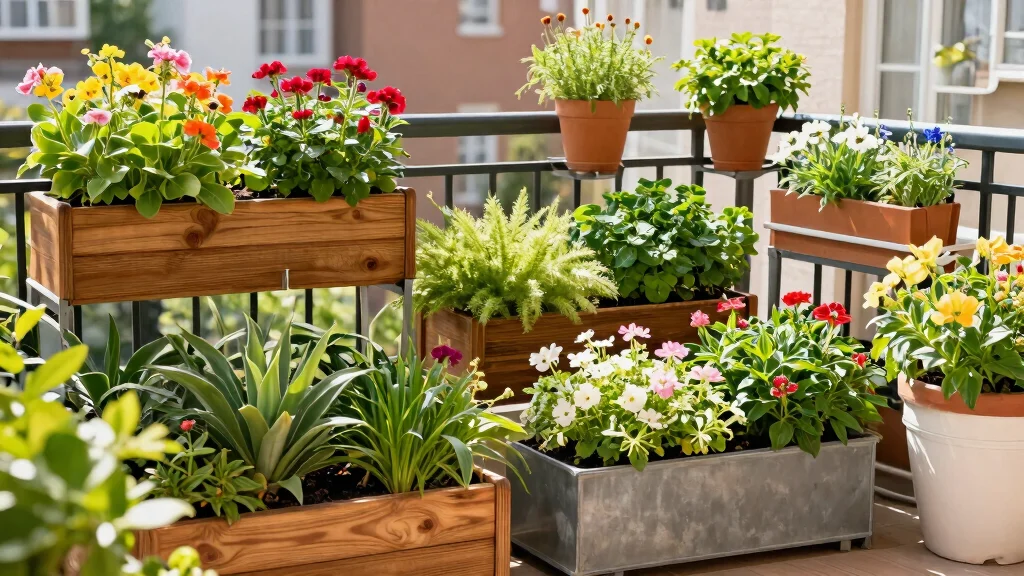

Key Trade-offs & Our Top Pick
Option 1: Minimalist Concrete Boxes
– Pros:
– Sleek design fits modern aesthetics.
– Easy to construct and customize in size.
– Cons:
– Limited depth may restrict root growth for some plants.
– Requires careful planning for drainage.
– Best for: Small urban gardens looking for a chic, contemporary touch.
Option 2: Tiered Garden Beds
– Pros:
– Maximizes planting space and sunlight exposure.
– Adds visual interest and depth to your garden.
– Cons:
– More complex to build; requires precise leveling.
– Potentially higher cost due to extra materials.
– Best for: Gardeners with a passion for design and a willingness to invest time.
Option 3: Concrete Planters with Integrated Seating
– Pros:
– Dual functionality; serves as both a planter and seating area.
– Ideal for entertaining spaces.
– Cons:
– Heavy and difficult to move once set in place.
– Higher initial cost than standalone raised beds.
– Best for: Homeowners looking to combine gardening with outdoor social spaces.
Option 4: Geometric Designs
– Pros:
– Unique shapes create a modern and artistic garden.
– Can be adapted to fit any space or style.
– Cons:
– May require custom molds, increasing expenses.
– Can be challenging to plant and maintain.
– Best for: Creative gardeners who want to make a statement with their layout.
Option 5: Urban Farming Solutions
– Pros:
– Designed for maximizing yield in small areas.
– Often includes features like vertical planting options.
– Cons:
– May need additional components, like irrigation systems, to function well.
– Requires more planning and research to implement effectively.
– Best for: Urban dwellers interested in growing food sustainably in limited spaces.
Expert Recommendation:
Best Overall: Tiered Garden Beds
Tiered garden beds stand out as the best choice for most gardeners. They not only maximize your planting area but also offer a stunning visual appeal. With proper construction, they provide longevity and can accommodate a variety of plants, making them a versatile option. They blend practicality with aesthetics, ensuring your garden remains beautiful and productive over the long term.
Why We Picked This:
While tiered beds are our top pick, you might prefer minimalist boxes for their simplicity or geometric designs for a more artistic garden. Each option has unique features that cater to different tastes and gardening goals. Consider your space, budget, and style when making your choice!
Raised Beds with Decorative Edging
Editor’s Choice

Youway Style Iridescent Glass Mosaic Tiles for Crafts Bulk,200g Broken M…

800pcs 5-8mm Colorful Glow in The Dark Garden Pebbles Stones 5-8mm Lumin…

Rustic Pine Wood Landscape Edging – 11.8ft L x 8in H Garden Fence Border…
6. Urban Farming Solutions
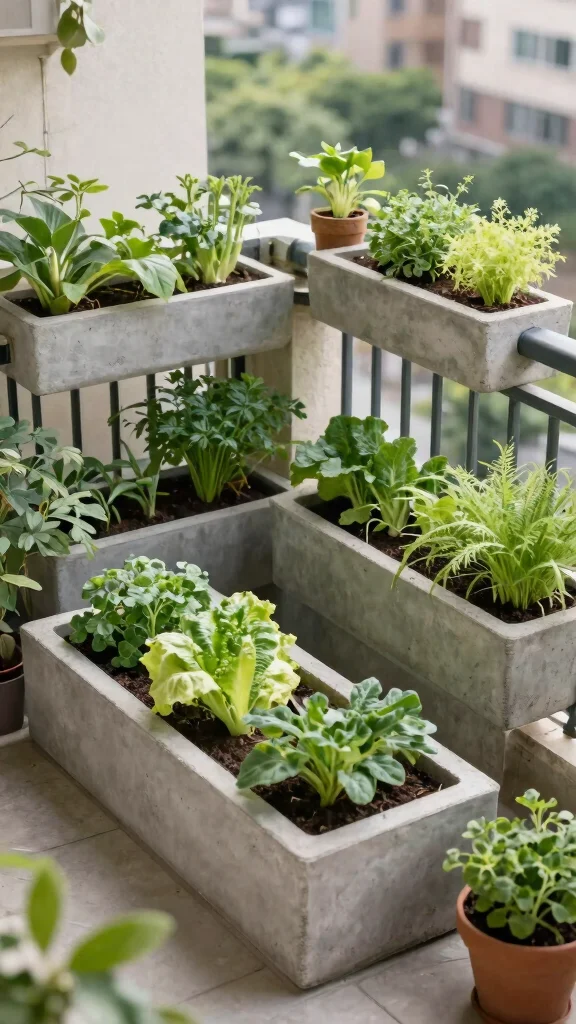
Concrete raised garden beds are ideal for urban farming, allowing you to grow your own food even in limited spaces. These versatile beds can fit perfectly in small yards, rooftop gardens, or balconies.
When planning your urban garden, make use of vertical space with stackable beds or wall-mounted planters. Consider adding self-watering systems to minimize maintenance efforts, and use companion planting to maximize your harvest. This way, you can enjoy fresh produce right from your home.
Key features for urban gardening:
– Maximize space with vertical planters.
– Add self-watering systems for convenience.
– Implement companion planting for better yield.
Embracing urban farming not only makes fresh food accessible but also contributes to a sustainable lifestyle in city living.
Urban Farming Solutions
Editor’s Choice

Companion Planting for Beginners: Pair Your Plants for a Bountiful, Chem…

8/10/12 Inch Self Watering Pots for Indoor/Outdoor Plants – Large Plasti…
7. Concrete and Wood Combination

Combining concrete with wooden elements in your raised garden beds creates a warm, inviting atmosphere. This blend highlights the durability of concrete while adding the organic feel of wood.
To achieve a harmonious blend, consider using wooden frames around your concrete bases or incorporating wooden slats as dividers between plants. Natural wood finishes can enhance the rustic vibe of your garden, making it visually appealing and inviting.
Tips for creating a wood-concrete combination:
– Frame concrete bases with wooden edges.
– Add wooden dividers for plant organization.
– Use natural finishes for rustic charm.
This combination enriches your garden’s aesthetic while providing a functional space for a variety of plants.
Concrete and Wood Combination
Editor’s Choice

HOPE’S 100% Pure Tung Oil, Food Safe, Premium Waterproof Natural Wood Fi…

Yaheetech 8×2ft Wooden Horticulture Raised Garden Bed Divisible Elevate…

8. Sustainable Concrete Designs

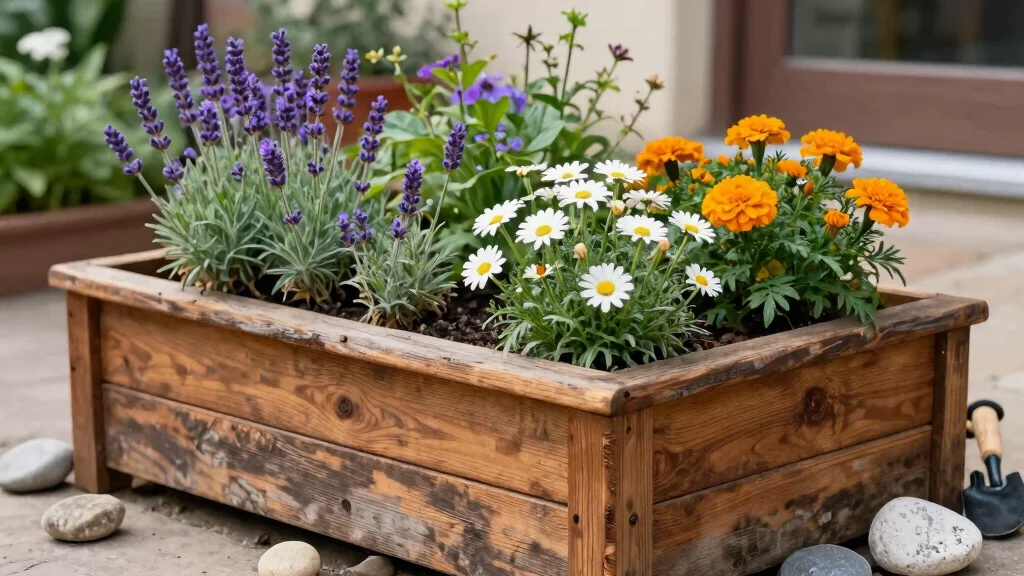
Sustainability plays a vital role in modern gardening, and opting for eco-friendly concrete can significantly enhance your garden’s impact. Look for recycled materials or low-impact concrete mixes to create your raised beds.
When selecting sustainable options, prioritize locally sourced materials to reduce your carbon footprint. Consider using permeable concrete that allows water to flow through, minimizing runoff, or reclaimed concrete for a vintage touch. These choices align with eco-conscious gardening practices.
How to choose sustainable concrete:
– Select locally sourced materials to cut emissions.
– Use permeable concrete for better water management.
– Incorporate reclaimed concrete for character.
By making sustainable choices, your garden becomes a beautiful and environmentally friendly haven that supports responsible gardening.
Did you know that using recycled materials in eco-friendly concrete can cut the carbon footprint of concrete raised garden beds by up to 40%? Local sourcing and permeable mixes also reduce runoff, helping your sustainable garden thrive for years.
You Might Also Like
Sustainable Concrete Designs
Editor’s Choice

Vodaland Permeable HexPave System – Grass & Gravel Pavers – 100% Recycle…
9. Seasonal Rotating Beds

Implementing seasonal rotating beds in your concrete raised garden can boost productivity while keeping your garden fresh and vibrant. This method involves switching plants each season for optimal growth.
Rotational planting helps maintain soil health by preventing nutrient depletion and pest build-up. Plus, changing up your plant choices can keep your garden visually dynamic throughout the year. This strategy allows for multiple crops, ensuring you enjoy a continuous harvest.
Benefits of rotational planting:
– Maintain soil health by rotating crops.
– Keep your garden visually exciting with seasonal changes.
– Maximize yields with year-round planting.
This method not only enhances the functionality of your garden but also ensures it remains a source of beauty and abundance throughout all seasons.
Seasonal rotating beds keep your garden dynamic and productive. Rotate crops in concrete raised garden beds—this simple switch nourishes soil, confuses pests, and yields a continuous harvest you can count on season after season.
Seasonal Rotating Beds
Editor’s Choice

KINGLAKE 100 Pcs 6 x10cm Plastic Plant T-Type Tags Nursery Garden Labels

Rapitest Soil Test Kit for Gardens, Vegetables, Flowers and Lawns. USA d…

Burpee Organic Tomato & Vegetable Granular Plant Food, 4 lb
Conclusion

Concrete raised garden beds provide a stylish and sustainable solution for modern gardeners looking to enhance their outdoor spaces. With a variety of designs and materials, these beds cater to the needs of urban gardeners while fostering creativity and sustainability.
Consider implementing these ideas to create a garden that not only lasts but also reflects your style. Happy gardening!
Note: We aim to provide accurate product links, but some may occasionally expire or become unavailable. If this happens, please search directly on Amazon for the product or a suitable alternative.
This post contains Amazon affiliate links, meaning we may earn a small commission if you purchase through our links, at no extra cost to you.
Frequently Asked Questions
What makes concrete raised garden beds a smart choice for a modern garden design?
Concrete raised garden beds are a smart choice for a modern garden design because they combine clean lines with remarkable durability.
They define spaces with the look of concrete garden aesthetics and give you deep, stable soil for productive raised bed gardening tips. They’re low maintenance and weather resistant, making them a durable garden solution for urban spaces. You can tailor them with color, texture, or planters to fit your outdoor gardening ideas and stay true to sustainable practices by using local or recycled materials in the build. Start with the right height for accessibility and ensure proper drainage.
How durable are concrete raised garden beds and what maintenance do they need for a sustainable urban garden?
Concrete raised garden beds are built to last, resisting rot and pests, which makes them a cornerstone of durable garden solutions for urban spaces. A common concern is occasional cracking from freeze-thaw cycles; address this with proper reinforcement (rebar or welded mesh), appropriate joint spacing, and a concrete thickness of about 4–6 inches. For sustainability, use interior liners or drainage layers to protect soil and prevent moisture damage. Maintenance is straightforward: inspect for cracks after cold snaps, re-seal or re-pour joints if needed, keep drainage clear, and refresh the soil each season with rich compost. With minimal upkeep, your concrete raised garden beds stay sturdy for years.
What are practical tips to install and fill concrete raised garden beds for productive growing in small spaces?
Here’s a practical setup for small spaces: 1) Layout for sun and access; 2) Choose modular or block construction to fit tight areas; 3) Build a solid base with compacted gravel for drainage; 4) Line the interior with a food-safe liner to protect soil; 5) Fill with a balanced mix: 60–70% topsoil, 20–30% compost, 10% perlite or coconut coir; 6) Install a drip irrigation line for efficient watering; 7) Mulch the surface to conserve moisture; 8) Plant according to depth and spacing; 9) Regularly top up and refresh soil for ongoing productivity. These steps align with raised bed gardening tips and keep your outdoor gardening ideas thriving in a small urban plot.
How can I maximize the aesthetics of concrete garden aesthetics in an urban setting while staying sustainable?
Make concrete beds feel inviting by mixing textures and colors and pairing with green accents.
Options include a board-formed or exposed aggregate finish, a subtle color stain inspired by your landscape, or edge caps that soften the line between bed and path. Add planters or vertical planters to break the rigid geometry and integrate living walls for extra greenery. Keep sustainability by capturing rainwater with a simple barrel, using permeable paths around beds to reduce runoff, and choosing drought-tolerant plants that suit your climate. With these touches, you’ll achieve a modern garden design that also emphasizes concrete garden aesthetics while staying friendly to the environment.
Which plants work best in concrete raised garden beds, and how do I optimize watering and soil mix?
Concrete beds warm up a bit and hold heat, so pick plants that tolerate sun, heat, and container-like depths. Great options include leafy greens (lettuce, kale), herbs (basil, thyme), compact tomatoes, peppers, and bush beans. For soil, mix about 60–70% topsoil, 20–30% compost, and 10% perlite or coco coir for drainage and nutrients; top up yearly with compost. For watering, install a drip irrigation or soaker hose and mulch to preserve moisture; aim for deep, less frequent watering that soaks down to the root zone. This approach fits well with outdoor gardening ideas and keeps your concrete raised garden beds productive with minimal waste.
Related Topics
concrete raised garden beds
modern garden design
durable garden solutions
sustainable gardening
urban gardening
raised bed gardening tips
concrete garden aesthetics
outdoor gardening ideas
easy DIY gardening
modern landscaping
beginner gardening
long lasting gardens