
Creating a cut flower garden has me dreaming of sunny days filled with vibrant blooms. If you’ve ever wanted to bring a splash of color to your space or create an inviting atmosphere with beautiful flowers, this post is for you. Gardening enthusiasts, whether you’re a beginner or have some experience, will appreciate the charm and utility of cut flower gardens. These gardens not only serve as a feast for the eyes but also provide fresh flowers to brighten your home or share with friends.
In this guide, I’ve pulled together eight stunning raised bed layouts that will inspire your gardening journey. Each layout is designed with sustainable practices in mind, focusing on native plants that thrive in your local environment. You’ll discover various styles—from colorful cottage gardens to minimalist modern designs—that not only enhance the beauty of your yard but also support pollinators and other wildlife. Let’s dive into these creative ideas that will help you cultivate a flourishing cut flower garden!
Key Takeaways
– Diverse Layouts: Explore eight distinct raised bed layouts designed for cut flower gardening, each with its own unique aesthetic and benefits.
– Sustainable Practices: Learn how to incorporate native plants into your garden, which helps support local ecosystems and requires less maintenance.
– Design Inspiration: Discover various styles, like the Colorful Cottage Style and the Minimalist Modern Raised Beds, to suit your personal taste and garden space.
– Practical Tips: Get actionable advice on how to implement seasonal rotation and vertical designs to maximize your flower production throughout the year.
– Community Engagement: Consider creating a Community Flower Garden Layout that encourages local involvement and beautifies shared spaces.
1. The Colorful Cottage Style Layout
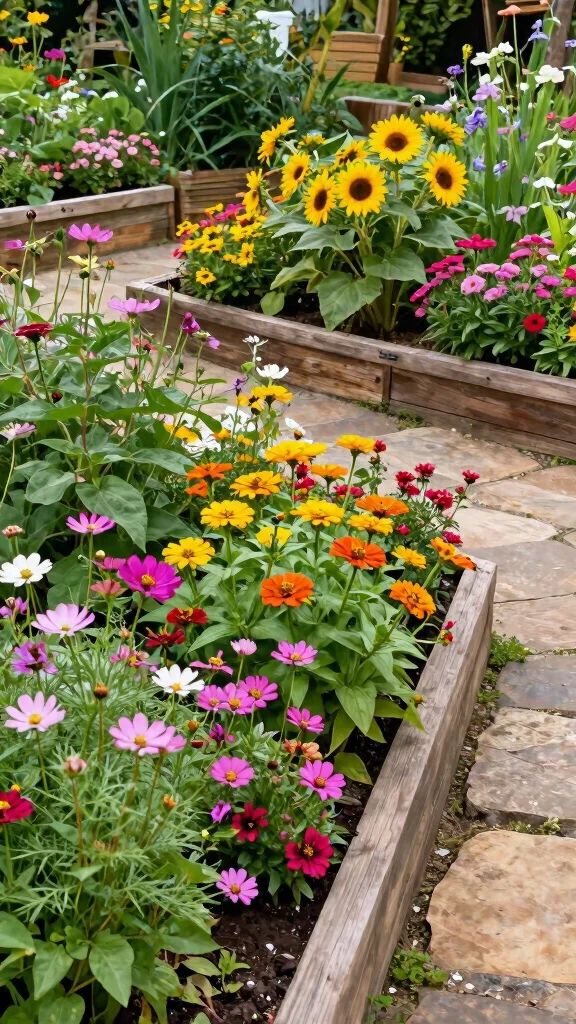
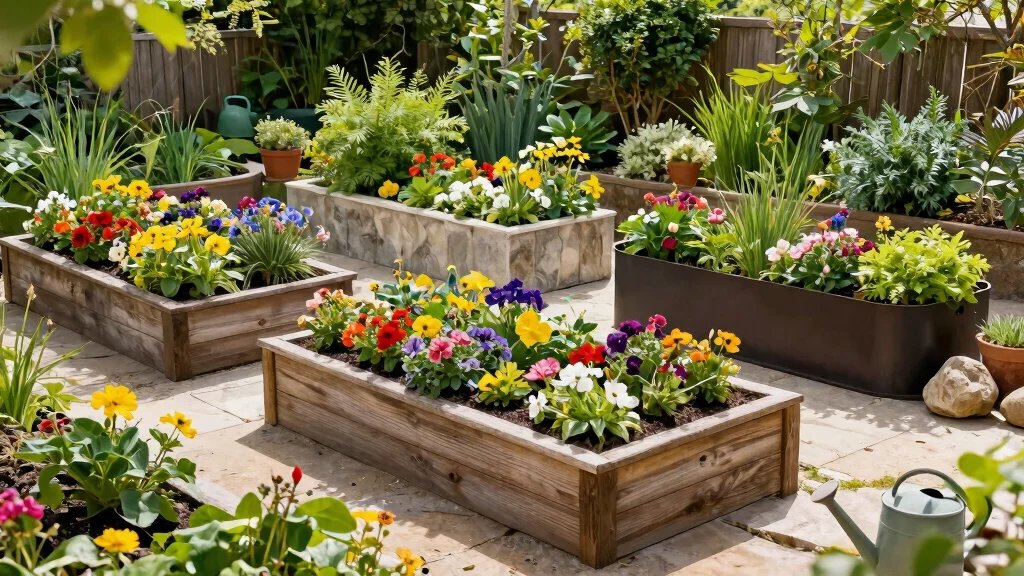
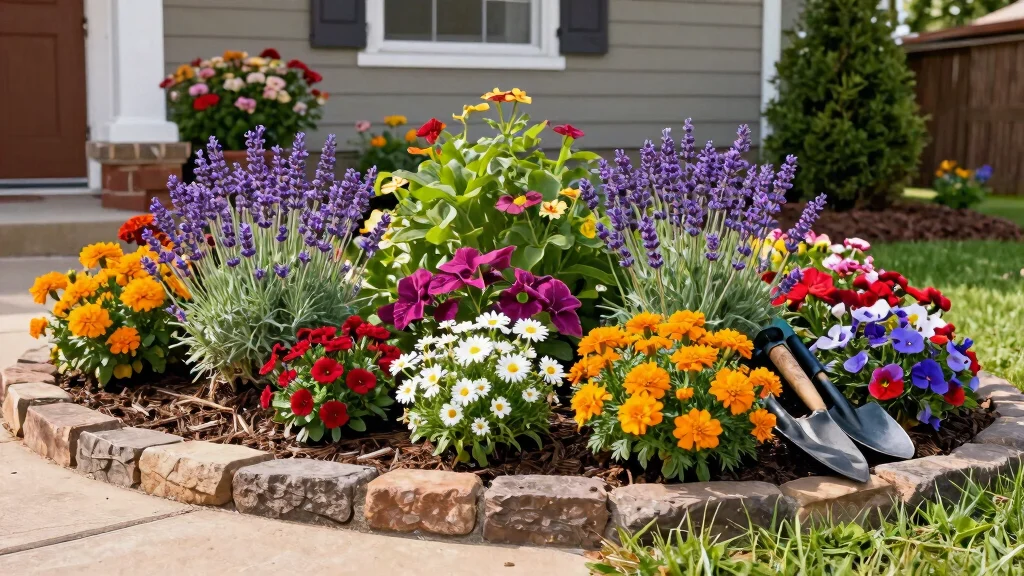
If you want a garden that bursts with life, the colorful cottage style layout is for you! This design embraces a joyous mix of flowers, with varying heights that create a vibrant tapestry from spring to fall. Picture clusters of bright cosmos, cheerful zinnias, and towering sunflowers, all surrounded by lush green foliage.
To make the most of this layout, think about grouping flowers by color for a stunning visual effect. Plant in clusters to attract pollinators and provide a bountiful supply of beautiful blooms for your home. This layout not only enhances your garden’s aesthetic but also supports local wildlife.
Garden Layout Tips:
– Combine short flowers at the borders with taller varieties like sunflowers in the center.
– Use a variety of colors and textures for year-round interest.
– Pair marigolds with your cut flowers to naturally deter pests.
Adding a winding pathway or a rustic wooden border enhances the cottage charm, inviting you to wander through your floral haven.
The Colorful Cottage Style Layout
Editor’s Choice

KVR Upgraded Garden Kneeler and Seat with Thicken & Widen Soft Kneeling …

Gardening Gifts for Women, Gardening Tools for Mom Grandma Wife, Garden …

Bamllum Leather Gardening Gloves for Women – Working Gloves for Weeding,…
2. Minimalist Modern Raised Beds
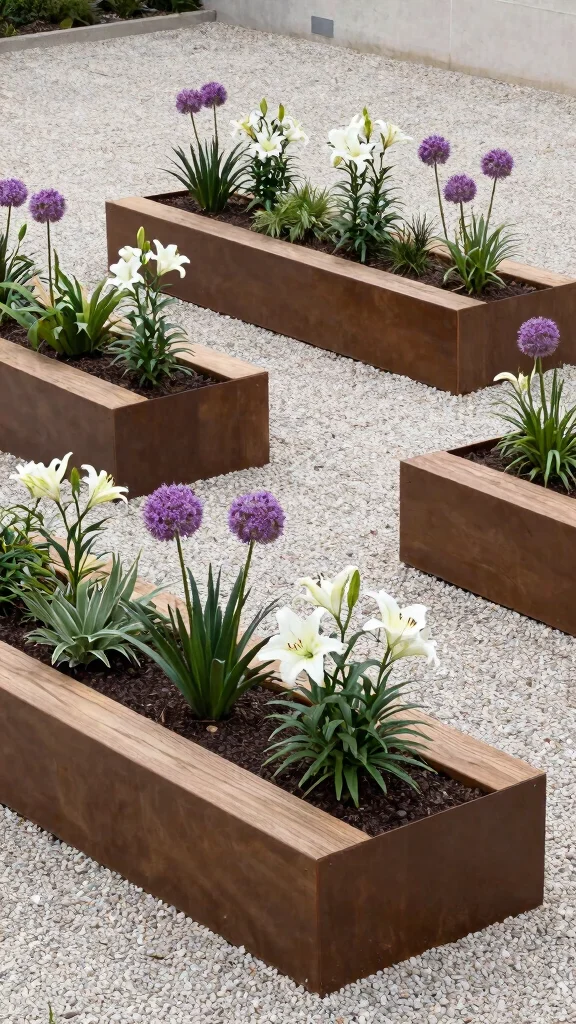
For a sleek and contemporary garden, the minimalist modern raised bed design offers elegance and style. This layout focuses on fewer plant varieties that boast striking shapes and colors, allowing each flower to make a statement. Imagine pristine white lilies, bold purple alliums, and graceful grasses arranged harmoniously in your space.
To achieve this look, consider using materials like reclaimed wood or metal for your raised beds. Keep ample space between plants, creating a clean and uncluttered aesthetic that highlights individual beauty. This design promotes a peaceful atmosphere while showcasing stunning blooms.
Garden Layout Tips:
– Opt for a limited color palette to maintain a chic look.
– Use geometric shapes for your raised beds to enhance modernity.
– Surround beds with decorative gravel or pebbles for a polished finish.
This structure creates a serene garden space that beautifully complements your cut flowers.
Minimalist Modern Raised Beds
Editor’s Choice

Yaheetech 8×2ft Wooden Horticulture Raised Garden Bed Divisible Elevate…

Land Guard Galvanized Raised Garden Bed Kit, Galvanized Planter Garden B…
3. Zen Retreat Garden Layout
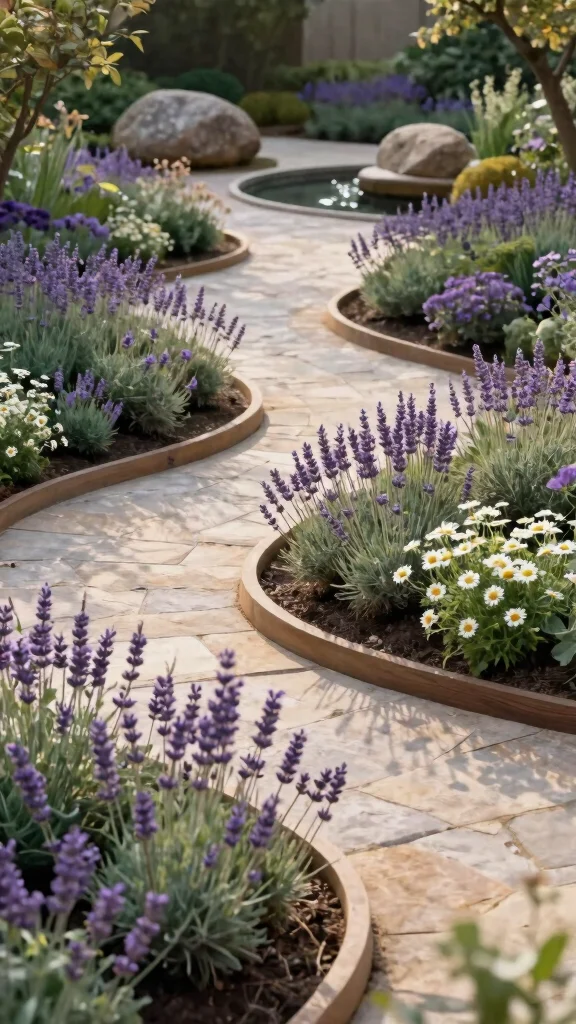
Imagine stepping into a tranquil oasis with a Zen retreat garden layout. This design features raised beds filled with soft, soothing flowers that promote a sense of peace and mindfulness. You might choose calming plants like lavender, aromatic chamomile, and delicate Japanese anemones that offer both beauty and fragrance.
To enhance relaxation, create winding paths of natural stone that guide visitors through your serene space. Incorporate elements like water features or smooth boulders to deepen the calming atmosphere. This layout invites you to slow down and connect with nature’s beauty.
Garden Layout Tips:
– Add water features or boulders for an enhanced serene vibe.
– Plant in waves to mimic natural landscapes and promote flow.
– Use bamboo or natural wood for borders to maintain an organic look.
This layout transforms your garden into a peaceful retreat, perfect for unwinding and reflecting.
Embrace a Zen retreat with a cut flower garden layout raised beds—calm colors, low maintenance, and fragrant blooms like lavender and chamomile. Let winding stone paths guide every mindful step.
📹 Related Video: Zen Principles of Japanese Garden Design | 7 Design Tips
Zen Retreat Garden Layout
Editor’s Choice

Teamson Home 33.25 in. Cascading Bowls and Stacked Stones LED Outdoor Wa…
Yaheetech 8×2ft Wooden Horticulture Raised Garden Bed Divisible Elevate…

Large DIY Stepping Stone Kit, Handprint Stepping Stone, Mother’s Day Gif…
4. Pollinator Paradise
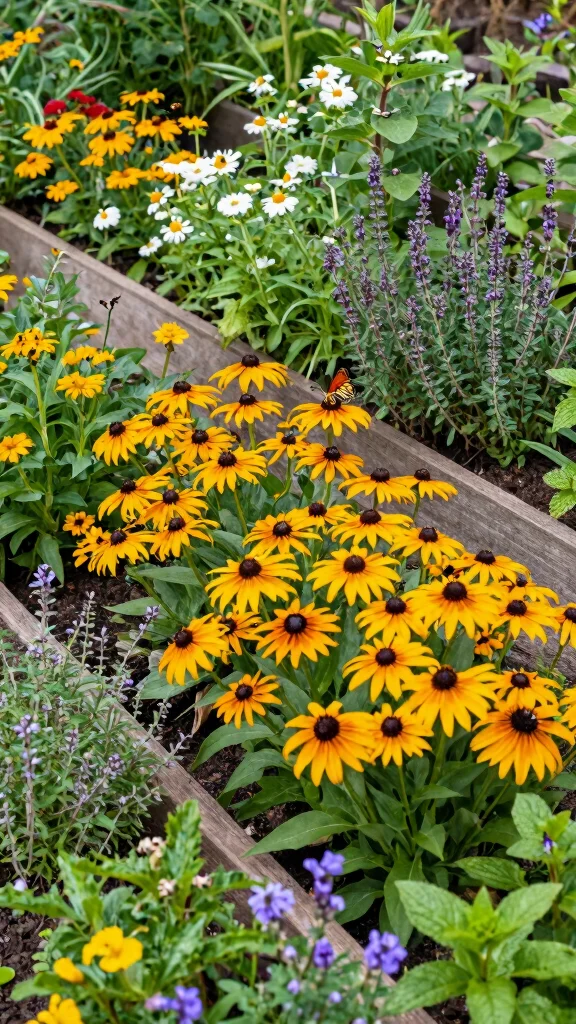
Design a lively pollinator paradise with raised beds that attract bees, butterflies, and hummingbirds! This layout emphasizes native flowers that provide essential nectar and pollen throughout the seasons. Picture clusters of vibrant coneflowers, cheerful black-eyed Susans, and fragrant bee balm drawing in friendly pollinators.
To maximize appeal, plant flowers in groups to make them more visible to pollinators. This not only enhances the beauty of your garden but also supports a healthy ecosystem. A thriving pollinator garden brings life and energy to your outdoor space.
Garden Layout Tips:
– Select flowers that bloom at different times for continuous food sources.
– Interplant herbs like thyme and mint for added cover and nectar.
– Avoid pesticides to create a safe haven for beneficial insects.
This layout fosters biodiversity, creating a vibrant ecosystem that nurtures both your garden and local wildlife.
💬 Fun fact: native nectar can boost pollinator visits by up to 60% when blooms are grouped in raised beds. With a cut flower garden layout raised beds, clusters of coneflowers, black-eyed Susans, and bee balm become a buzzing buffet from spring through fall.
You might also like
Pollinator Paradise
Editor’s Choice

Wildflower Seeds Bulk Mix – 10,000+ Perennial & Annual Seeds – Texas, Ca…
Land Guard Galvanized Raised Garden Bed Kit, Galvanized Planter Garden B…

Pollinator Work Zone Yard Sign with Stakes Do Not Mow Do Not Spray Alumi…
5. Edible Cut Flower Garden
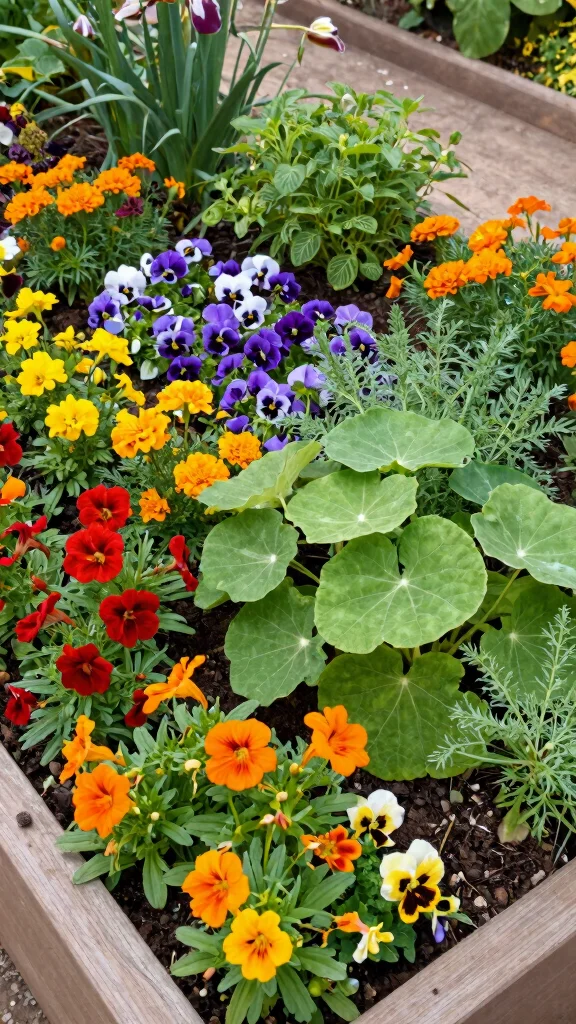
Mix beauty and practicality with an edible cut flower garden layout! This approach allows you to grow stunning flowers alongside culinary herbs, giving you both gorgeous arrangements and fresh ingredients. Imagine colorful nasturtiums with their peppery leaves, complemented by edible pansies and marigolds.
Arrange your raised beds to alternate between flowers and herbs, creating a lush, layered effect that is visually appealing and functional. This layout not only beautifies your space but also encourages sustainable gardening practices.
Garden Layout Tips:
– Utilize companion planting to boost growth and flavor.
– Position taller flowers in the back and shorter ones in the front for best visibility.
– Regularly deadhead flowers to ensure continuous blooms and harvests.
This design provides an abundance of beautiful blooms while promoting a sustainable and productive garden.
Edible Cut Flower Garden
Editor’s Choice

LEETOLLA Elevate 32″ Tall Raised Garden Bed Outdoor with Wheels & Shelf …

Seed Needs Herb Seeds Variety Pack Culinary Herb Collection (12 Individu…

Grenebo Gardening Tools 9-Piece Heavy Duty Garden Hand Tools with Fashio…
6. Vertical Flower Bed Design
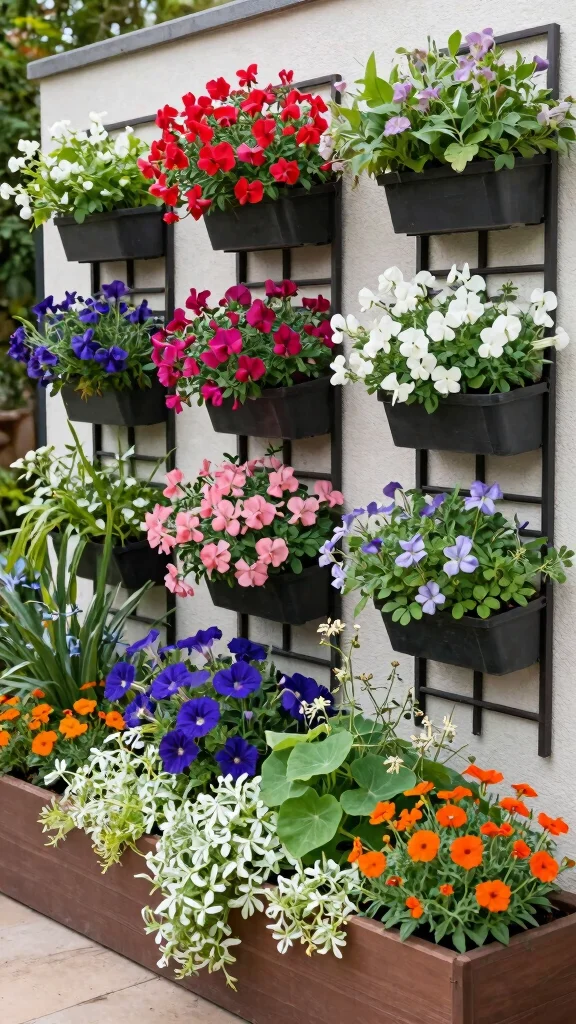
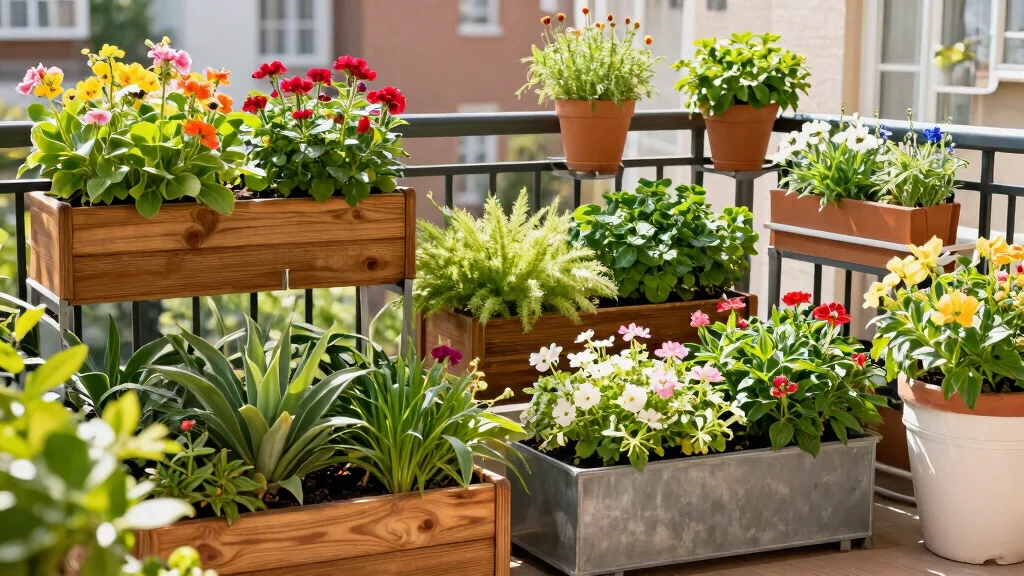
Make the most of limited space with vertical flower beds that add stunning height and drama to your garden! This design is ideal for smaller gardens or urban settings, allowing you to grow a variety of cut flowers in an eye-catching manner. Consider using trellises or wall-mounted planters filled with climbing flowers like sweet peas and morning glories.
Enhance your layout by placing raised beds in front of these vertical elements, creating depth and richness in your garden. This innovative approach transforms your garden into a colorful living canvas.
Garden Layout Tips:
– Mix heights and textures to craft an engaging landscape.
– Choose flowers that bloom at different times for ongoing visual interest.
– Implement drip irrigation systems to ensure all plants receive adequate water.
This vertical design maximizes every inch of space, turning your garden into a vibrant floral display.
Vertical Flower Bed Design
Editor’s Choice

DIIYIV 2PCS Galvanized Raised Garden Bed with Legs,2PCS 48×18×30in Ele…

Make Good PlantPod Luxe – Self-Watering Wall Planters (Set of 6) – Easy …
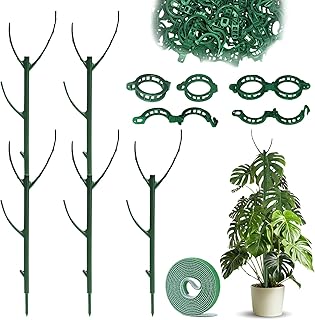
5pack Adjustable Plant Support Pole – Stackable Indoor/Outdoor Support…
7. Seasonal Rotation Layout
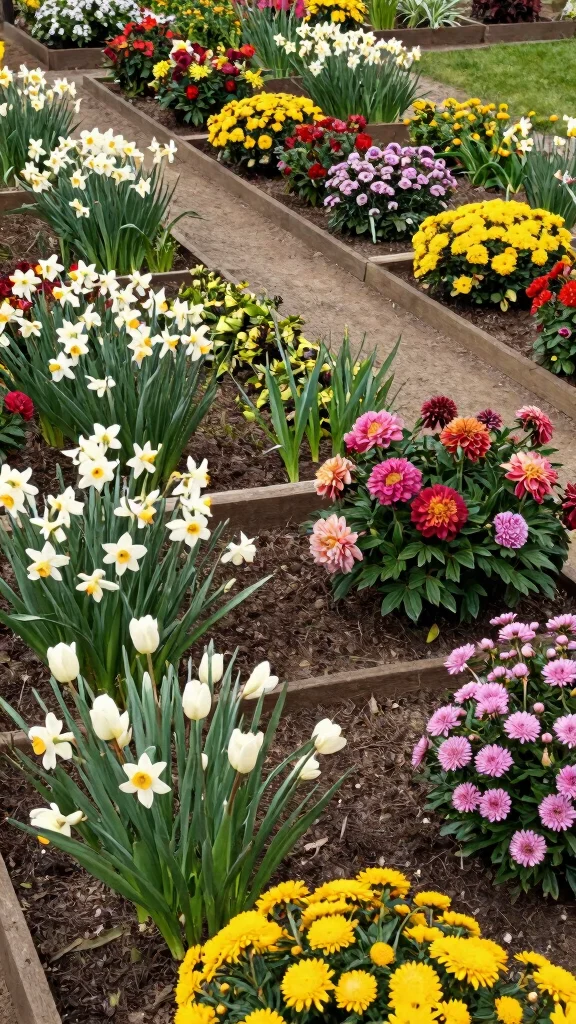
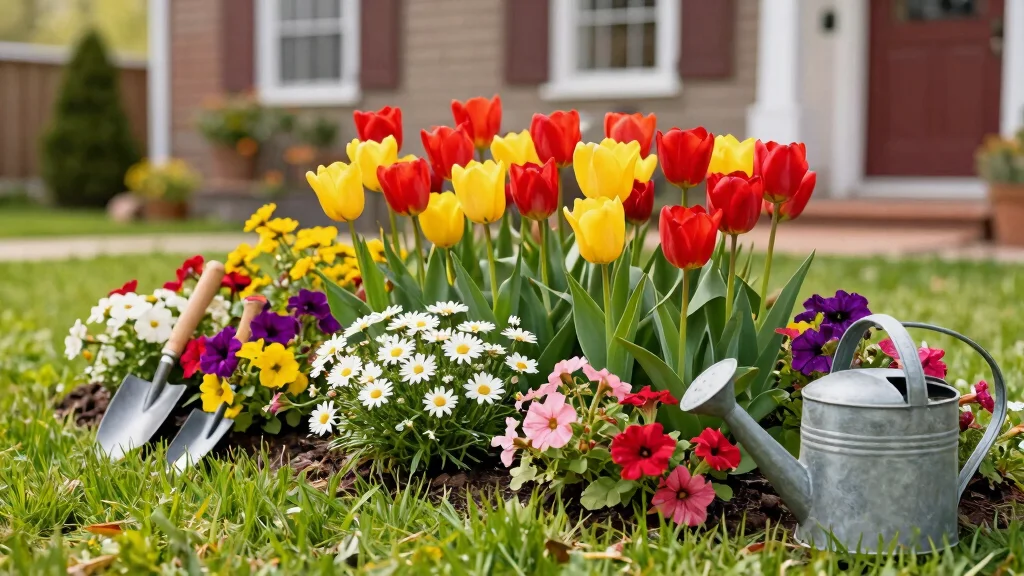
Boost your garden’s productivity and beauty with a seasonal rotation layout! This strategy allows you to plant cut flower varieties that thrive at different times of the year, ensuring a steady supply of blooms while promoting healthy soil. Start with cool-season flowers like tulips and daffodils, then transition to summer favorites like dahlias and peonies, wrapping up with autumn blooms like asters and chrysanthemums.
Organize your raised beds for easy transitions and maintenance, making it simple to enjoy a vibrant garden year-round. This thoughtful planning keeps your garden flourishing with color and life.
Garden Layout Tips:
– Maintain a planting calendar to visualize and plan rotations.
– Use cover crops in the off-season to enrich soil health.
– Ensure beds have ample space for plants to thrive.
This layout provides a beautiful and sustainable approach to gardening that yields fresh blooms throughout the seasons.
Fun fact: A seasonal rotation layout in a cut flower garden layout raised beds can boost bloom output by up to 40% across the season. Plant cool-season tulips, then dahlias, then asters—keeping soil healthier and bouquets fresher all year.
You Might Also Like
Seasonal Rotation Layout
Editor’s Choice

Garden Journal – Notes Seed Starting & Planting Schedule

Rapitest Soil Test Kit for Gardens, Vegetables, Flowers and Lawns. USA d…
Utopia Home Galvanized Raised Garden Bed Kit 4x2x1ft, Planter Box Raised…
8. Community Flower Garden Layout
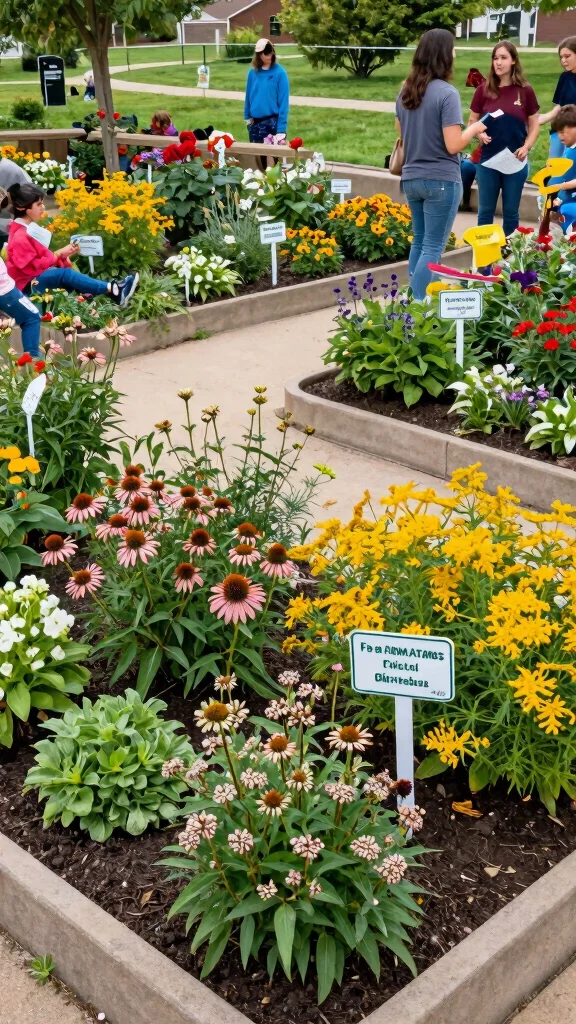
Collaborate with neighbors to create a stunning community flower garden! This layout not only beautifies your neighborhood but also fosters camaraderie and shared gardening joy. Work together to select native cut flower varieties that thrive in your area, like echinacea, milkweed, and goldenrod, ensuring vibrant blooms.
Design your raised beds in a circular or square shape to encourage interaction and togetherness. This community project brings people together while promoting sustainable gardening practices.
Garden Layout Tips:
– Assign specific sections for different families to inspire ownership.
– Organize regular community events for planting and maintenance.
– Clearly label each flower variety to educate and engage participants.
Not only does this layout enhance your surroundings, but it also strengthens community bonds through a shared love of gardening.
How To Choose the Right Raised Bed for Your Cut Flower Garden
Choosing the right raised bed is vital for creating a beautiful and productive cut flower garden. Here’s how to make the best decision for your space and needs.
1. Size Matters
Consider the size of your raised bed. A standard size is 4 feet by 8 feet but you can customize based on your space. A bed that is too large can be hard to maintain, while one that’s too small may not provide enough growing area for your favorite cut flower varieties. Aim for a height of at least 12 inches to allow for healthy root growth and proper drainage.
2. Material Choices
Select a material that suits your aesthetic and budget. Common options include wood, metal, and composite materials. Untreated cedar or redwood are great for a natural look and durability. Metal beds can add a modern touch and resist decay. Make sure that whatever material you choose is safe for growing flowers, avoiding treated wood that can leach chemicals.
3. Soil Composition
The soil you fill your raised bed with is crucial. Aim for a mix that includes compost, peat moss, and native soil. This combination ensures good drainage and nutrient availability. You might also want to consider a pre-mixed soil specifically designed for raised beds, which can save you time and effort.
4. Location and Sunlight
Choose a location that receives at least 6-8 hours of sunlight daily. Observe your yard throughout the day to spot where the sun hits most. Remember, some cut flowers thrive better in specific light conditions. If you’re growing shade-tolerant varieties, you can adjust your location accordingly.
5. Drainage Considerations
Good drainage is essential for healthy flowers. Ensure your raised bed has holes at the bottom to allow excess water to escape. You can also create a drainage layer using gravel or small stones before adding soil. This will help prevent root rot and keep your plants healthy.
6. Accessibility
Think about how you will access your raised bed for planting and maintenance. The ideal height allows you to reach in without straining. If you have mobility issues, consider a raised bed that is higher off the ground, allowing for easier access. Ensure there’s enough space around the bed for walking and working comfortably.
Pro Tip: When setting up your raised bed, consider adding a simple irrigation system. A drip irrigation setup can help keep your flowers hydrated efficiently while saving you time and effort on watering.
By considering these factors, you can choose the right raised bed to create a stunning cut flower garden that will bloom beautifully throughout the seasons. Happy gardening!
Community Flower Garden Layout
Editor’s Choice

Native Wildflower Seeds for Planting 24 Variety Pack – Perennial & Ann…
Land Guard Galvanized Raised Garden Bed Kit, Galvanized Planter Garden B…
Conclusion
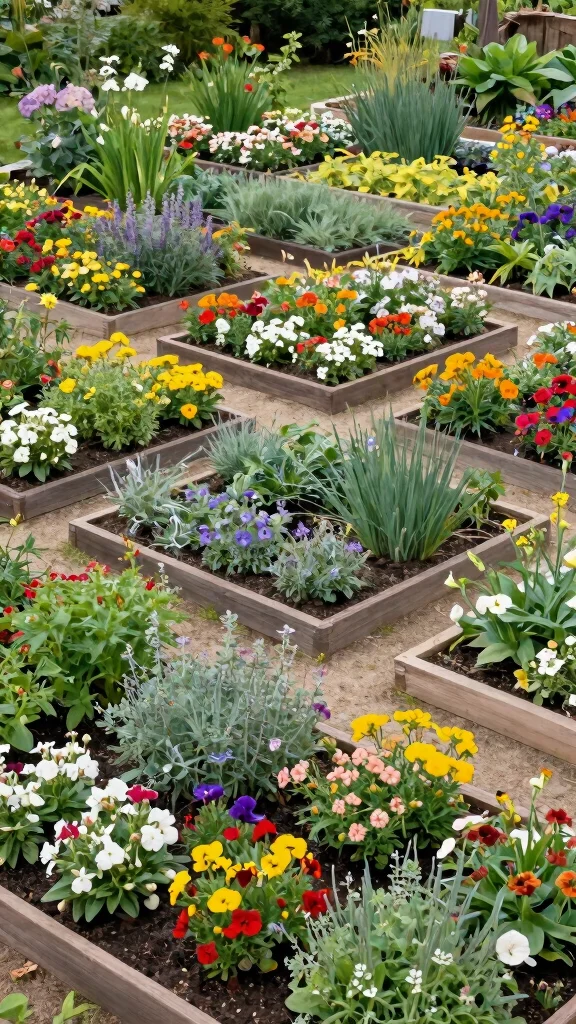
Creating a stunning cut flower garden with raised beds is not only achievable but also deeply rewarding.
By embracing sustainable practices and incorporating native plants, you can design a garden that flourishes with beauty and biodiversity. Consider these eight layouts to inspire your gardening journey, whether you aim for a colorful cottage style or a minimalist modern approach.
Your garden can become a source of joy for you and the local ecosystem alike.
Note: We aim to provide accurate product links, but some may occasionally expire or become unavailable. If this happens, please search directly on Amazon for the product or a suitable alternative.
This post contains Amazon affiliate links, meaning we may earn a small commission if you purchase through our links, at no extra cost to you.
Frequently Asked Questions
What are the essentials of a great cut flower garden layout for raised beds?
A well-planned cut flower garden layout raised beds helps you harvest easily and keeps blooms coming all season long.
Key elements include planning for staggered bloom times, using 3-4 ft wide beds for comfortable reach, placing taller varieties at the back or center, and grouping by cut flower varieties for efficient picking. Include native plants to support sustainable gardening practices, and leave wide, mulched paths for maintenance and cutting.
Which cut flower varieties thrive in raised beds with native plants for a sustainable cut flower garden?
For raised bed gardening with sustainability in mind, start with reliable cut flower varieties like Echinacea (coneflowers), Rudbeckia (black-eyed Susans), Coreopsis, Cosmos, Zinnias, Calendula, and Larkspur. Pair these with native plants to boost pollinators and simplify maintenance. This combination fits neatly into a flower garden design that works in raised bed gardening.
How can I design the layout to extend bloom seasons in raised beds?
Plan for succession by planting early-, mid-, and late-season cut flower varieties so you’re harvesting from spring to fall. Build layers with tall back rows and shorter foreground plants to maximize space in your flower garden design. Use color blocks or focal points to guide the eye, and keep paths wide enough for easy access to harvest stems. All of this fits into practical garden layout tips for raised beds.
What soil, watering, and mulching practices keep a raised bed cut flower garden healthy and sustainable?
Start with deep, well-draining soil enriched with compost in your raised beds. Mulch to conserve moisture and suppress weeds. Install drip irrigation or soaker hoses and collect rainwater to water efficiently. Practice integrated pest management and rotate crops to reduce pests. Choosing drought-tolerant native plants helps cut water use, aligning with sustainable gardening practices.
How big should raised beds be and how many beds do I need for a cohesive cut flower garden?
Aim for beds that are 3-4 ft wide so you can reach the center from either side without stepping on the soil. For length, 6-12 ft works well, with 2-3 ft paths between beds for access and airflow. A modular plan with 4-6 beds gives a cohesive flower garden design and keeps raised bed gardening manageable while providing a steady supply of cut flower varieties to harvest.
Related Topics
cut flower garden
raised bed gardening
flower garden design
native plants
sustainable gardening
garden layout tips
beginner friendly
colorful blooms
seasonal flowers
perennial varieties
easy gardening
eco-friendly gardening