
Creating an enclosed garden with raised beds can transform even the smallest outdoor spaces into beautiful and productive havens. With urban living on the rise, many of us are craving that connection to nature, while also maximizing the use of our limited square footage. This post is here to help you cultivate your green thumb, regardless of your experience level.
If you’re passionate about gardening or just starting out, you’ll find inspiration and practical solutions tailored for small urban gardens. This guide is perfect for anyone looking to create a neat, organized, and fruitful space amidst the hustle and bustle of city life. Whether you’re interested in growing fresh vegetables, herbs, or flowers, these ideas will help you design a fenced garden with raised beds that thrives in small spaces.
You’ll discover seven creative approaches to enhancing your garden setup. From vertical gardening techniques to colorful layouts and companion planting strategies, you’ll gain insights that are not only useful but also fun. Plus, you’ll find practical gardening tips for small spaces that will make your gardening experience enjoyable and rewarding.
Key Takeaways
– Diverse Ideas: Explore seven unique ideas for setting up your enclosed garden with raised beds to maximize productivity and aesthetics.
– Vertical Gardening: Learn how vertical gardening can help you save space while still growing a variety of plants.
– Colorful Layouts: Discover how using vibrant colors in your raised bed designs can make your garden visually appealing.
– Companion Planting: Understand the benefits of companion planting to enhance your garden’s productivity and health.
– Relaxation Zones: Incorporate relaxation areas within your garden to create a space where you can unwind and enjoy nature.
1. Vertical Gardening Within Fenced Spaces
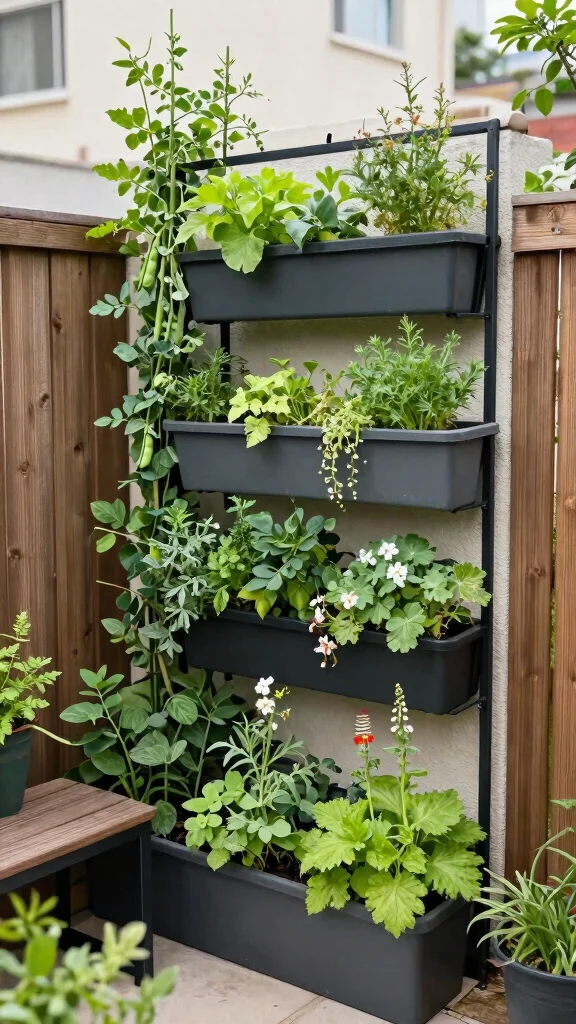
Do you struggle with limited space in your garden? Vertical gardening is your answer! With enclosed spaces, you can create breathtaking vertical gardens using trellises, shelves, or wall-mounted planters. This technique not only conserves floor area but also introduces a stunning visual element to your garden.
By utilizing vertical space, you can cultivate a variety of plants, including herbs, strawberries, and climbing beans. Choose robust structures that support the weight of your plants while ensuring they receive adequate sunlight.
Here are some tips to get started:
– Select lightweight containers to ease the load on your supports.
– Combine edibles and flowering plants for visual diversity.
– Implement drip irrigation for simple watering.
– Opt for eco-friendly materials like bamboo or reclaimed wood.
This approach maximizes your gardening space and reduces weeds, keeping your garden looking tidy and well-kept.
Did you know a fenced garden with raised beds can double your productive space with vertical tricks? Vertical gardening adds shelf space for herbs and climbing beans, turning tight yards into leafy, harvest-ready walls.
Vertical Gardening Within Fenced Spaces
Editor’s Choice
Arcadia Garden Products 1527 Half Round Wall Mounted Hanging Planter Bas…


Metal Garden Trellis for Climbing Plants, 86.5″ x 19.7″ Metal Plant Trel…

MJOMKN 59″ Tall Plant Stand with Grow Light Indoor, 7 Tiered Metal Plant…
2. Colorful Raised Bed Layouts

Why choose a plain garden when you can have a vibrant one? Brighten your enclosed space with colorful raised beds made from various materials or painted finishes. Mixing different textures and hues can create a captivating visual experience.
Incorporate materials such as reclaimed wood or metal, and complement them with bright annuals and perennials for a joyful atmosphere. Experiment with unique layouts, arranging beds in circles or zigzags for added depth.
Consider these ideas:
– Paint your beds in bold colors that match your home.
– Combine contrasting materials for a modern flair.
– Vary the heights of your beds for intriguing visual layers.
– Add decorative gravel paths to improve accessibility and flow.
Your creative touch can transform your garden into a beautiful space that nourishes both body and soul.
Colorful Raised Bed Layouts
Editor’s Choice

Krylon K05615007 COLORmaxx Acrylic Latex Brush On Paint for Indoor/Outdo…

Yaheetech 8×2ft Wooden Horticulture Raised Garden Bed Divisible Elevate…
3. Companion Planting for Efficiency
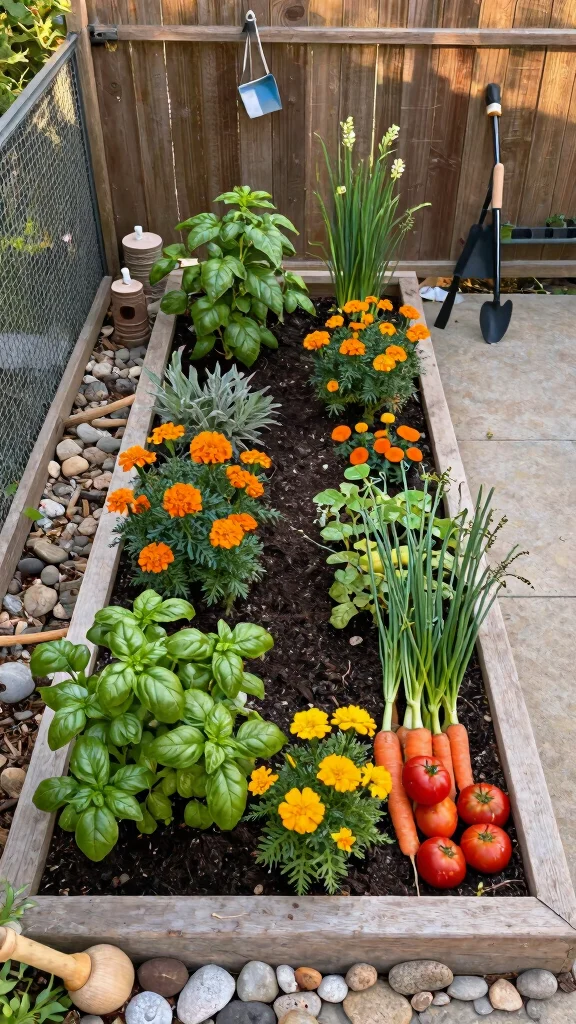
Companion planting not only benefits your plants but also maximizes your garden’s productivity! This technique involves pairing certain plant species together to enhance growth and deter pests.
For example, tomatoes thrive alongside basil, while marigolds can naturally repel unwanted bugs. When planning your raised beds, think about these beneficial combinations:
– Carrots and onions support each other’s growth.
– Spinach and strawberries offer mutual benefits through shade.
– Beans and corn create a supportive ecosystem.
While designing your layout, consider the heights, root depths, and sunlight needs of your plants. This strategy leads to a lush and productive garden that’s also visually appealing!
Maximizing every inch of your garden with companion planting is a smart way to achieve a thriving space.
Fun fact: In a fenced garden with raised beds, companion planting can boost yields by up to 30% when you pair tomatoes with basil. Include marigolds for natural pest control and pair carrots with onions to support growth.
Companion Planting for Efficiency
Editor’s Choice

Mighty Mint Gallon (128 oz) Insect and Pest Repellent Peppermint Oil – N…

Companion Planting for Beginners: Pair Your Plants for a Bountiful, Chem…

Best Choice Products 72x24x30in Raised Garden Bed, Elevated Wood Planter…
4. Smart Garden Fencing Ideas

Fencing can be more than just a barrier; it can enhance your garden’s charm! Think outside the box with different fencing options.
Choose between traditional wooden fences or get creative with materials like wire mesh, lattice, or even repurposed pallets. A taller fence can provide privacy while framing your garden beautifully and supporting climbing plants.
Here are some innovative fencing ideas:
– Paint your fence to match your raised beds for unity.
– Use lattice panels for climbing plant support.
– Add decorative trellises for vertical interest.
– Hang garden-themed art or pots on the fence for extra flair.
With thoughtful fencing, your garden can be both functional and visually stunning!
📹 Related Video: How to Install a Welded Wire Fence the Fast & Easy way with Elevation Changes, No Digging
You might also like


Smart Garden Fencing Ideas
Editor’s Choice

Topeakmart Wood Picket Garden Fence Edging Fencing Garden Yard Border Ed…

OUSHENG 10 Pack Decorative Garden Fence, Total 10ft(L) x 24in(H) Animal …
5. Seasonal Vegetable Garden Layouts

A well-structured garden layout guarantees a fruitful growing season, and raised beds are perfect for crop rotation! By planning your seasonal vegetable garden, you can optimize your fenced space and enhance your harvest.
Divide your beds according to planting seasons: cool-season crops like lettuce thrive in spring, while summer favorites like squash and tomatoes flourish in warmer months. Keep these tips in mind for seasonal layouts:
– Create a planting calendar based on your climate.
– Group similar plants for easier maintenance and space maximization.
– Stagger planting times for continuous harvests.
– Use compost to boost soil health and moisture retention.
This organization keeps your garden neat and thriving while ensuring you make the most of your efforts!
Seasonal Vegetable Garden Layouts
Editor’s Choice

EZ Grower Garden Planner | Tips & Tricks | Gardening Zones for USA | Per…

MySoil Soil Test Kit, Unlock Your Lawn & Garden Potential, Complete & Ac…

LEETOLLA Elevate 32″ Tall Raised Garden Bed Outdoor with Wheels & Shelf …
6. Edible Landscaping Techniques

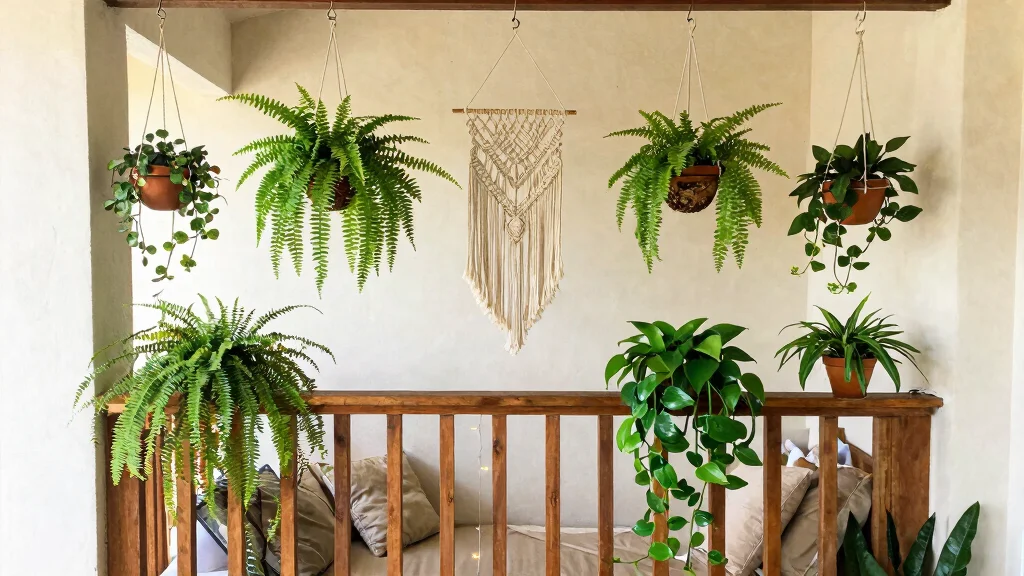
Transform your garden into an edible paradise! Incorporating ornamental plants that also serve as food can enhance beauty and functionality.
Consider planting edible flowers like nasturtiums alongside vegetables. Herbs like thyme and rosemary add flavor and fragrance, creating a rich sensory experience. Use these design techniques:
– Combine flowers with foliage for visual appeal.
– Incorporate dwarf fruit trees for vertical interest.
– Create herb spirals to maximize diversity.
With edible landscaping, every part of your garden contributes to its beauty and bounty, making your space truly unique!
Did you know a fenced garden with raised beds can yield 2x more produce in a small urban space? Plant nasturtiums with vegetables, add herb spirals, and dwarf fruit trees—creating an edible paradise that’s both beautiful and productive.
You Might Also Like

Edible Landscaping Techniques
Editor’s Choice
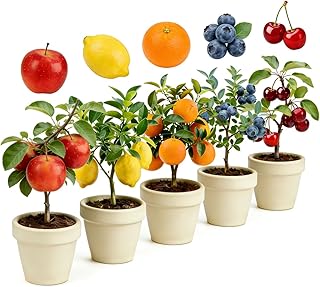
Mix Dwarf Bonsai Fruit Tree Seeds for Planting, 40+ Apples Tree,40+ Lemo…

VECELO 5 Tier Vertical Garden Planter, Self Watering Stackable Planters …
7. Incorporating Relaxation Zones
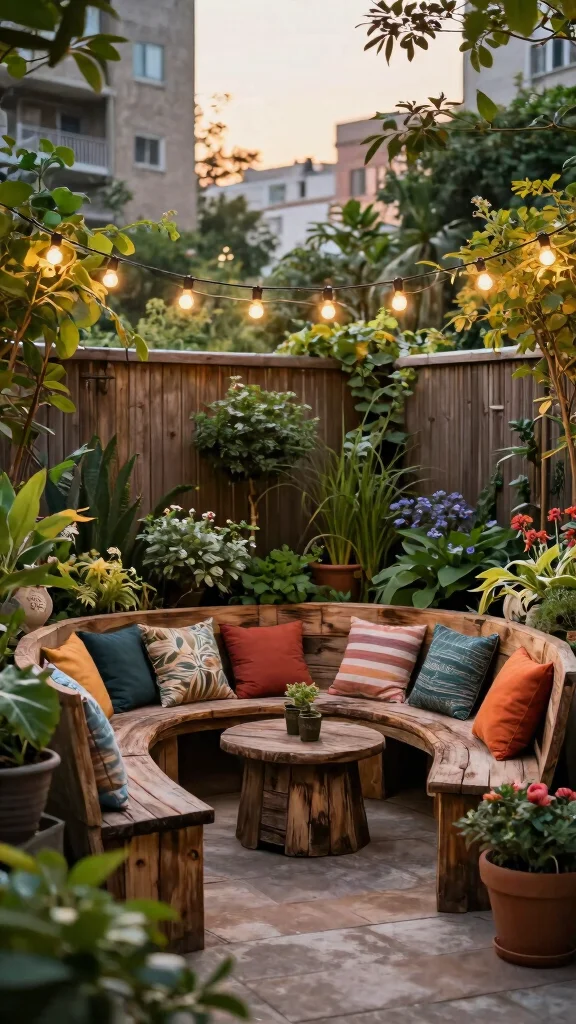
Don’t forget to carve out a cozy spot to enjoy your garden! Your fenced space can become a tranquil retreat where you connect with nature.
Create an inviting seating area to relax and admire your plants. Use comfortable outdoor furniture or craft a rustic bench from reclaimed wood. Enhancing the space with fairy lights, lanterns, or soft cushions can make it feel warm and welcoming.
Here are some tips to consider:
– Design pathways leading to the seating area for easy access.
– Add shade structures like pergolas for comfort.
– Use potted plants to frame your seating area beautifully.
Your garden can be a delightful escape, allowing you to enjoy your hard work while soaking in nature’s beauty!
How To Choose the Right Fenced Garden with Raised Beds
To create a beautiful and functional fenced garden with raised beds, you’ll need to consider several factors. A well-planned garden can be both productive and visually appealing. Here are key points to keep in mind when selecting the right components for your enclosed garden.
1. Size
Deciding on the size of your fenced garden is crucial. Think about how much space you have available in your yard or balcony. A small garden may require just a couple of raised beds, while a larger area could accommodate several. Consider a layout that allows for easy access to all parts of the garden. Typically, raised beds should be no wider than 4 feet to ensure you can reach the center without stepping into the bed.
2. Material
The material you choose for your raised beds will impact both durability and aesthetics. Common materials include untreated wood, metal, and composite materials. Untreated wood is popular for its natural look but may rot over time. Metal is long-lasting and adds a modern touch, while composite materials offer durability without the risk of toxins leaching into the soil. Choose a material that complements your garden style and fits within your budget.
3. Garden Fencing Ideas
Select fencing that meets your needs for privacy, security, and aesthetics. You can opt for wood, vinyl, or even decorative metal. The height of your fence should deter animals but also fit with your garden’s visual appeal. Consider adding gates that are wide enough to allow easy access for tools and maintenance. If you have pets, ensure your fencing is strong enough to keep them safely inside.
4. Vegetable Garden Layout
Plan the layout of your raised beds according to the types of vegetables you want to grow. Group plants with similar sunlight and watering needs together. Use pathways between raised beds to make access easy. A common layout is a grid system, which maximizes space and allows for efficient planting and harvesting. Consider vertical gardening options to save space and increase yield, especially in smaller gardens.
5. Budget
Set a realistic budget for your garden project. Costs can vary based on the materials you choose and the size of your garden. Remember to account for soil, seeds, plants, and any additional features like watering systems or decorative elements. Compare prices from various suppliers to find the best deals. You might even consider DIY options to save money while adding a personal touch.
6. Gardening Tips for Small Spaces
If you’re working with limited space, look for tips specifically designed for small gardens. Use vertical frames, trellises, or wall-mounted planters to grow upward instead of outward. Choose dwarf varieties of plants, which take up less space and can be more manageable. Regularly maintain your garden by pruning and reshaping plants to encourage healthy growth and maximize your harvest.
Pro Tip: If you’re unsure about the best layout or materials, start small. Begin with a couple of raised beds and evaluate how they work for you. You can always expand your garden later as you gain confidence and experience. 🌱
Incorporating Relaxation Zones
Editor’s Choice

Homall 4 Pieces Outdoor Patio Furniture Sets Rattan Chair Wicker Set,Out…

Joomer Solar Fairy Lights, 2-Pack Total 80FT 240LED Solar String Lights …

DIY Bench Ends Kit – Build Your Own Outdoor or Patio Bench – Fits St…
Conclusion

Creating an enclosed garden with raised beds can transform your small urban space into a flourishing oasis of productivity and beauty. Each of these ideas allows you to maximize your space while maintaining a neat and organized appearance.
Whether you’re experimenting with color, incorporating vertical designs, or planning seasonal layouts, the options are endless! Embrace the creativity that comes with gardening in small spaces, and let your unique style shine through your enclosed garden. Happy gardening!
Note: We aim to provide accurate product links, but some may occasionally expire or become unavailable. If this happens, please search directly on Amazon for the product or a suitable alternative.
This post contains Amazon affiliate links, meaning we may earn a small commission if you purchase through our links, at no extra cost to you.
Frequently Asked Questions
What are the best fenced garden with raised beds ideas for a neat and productive urban space?
Here are practical ideas to elevate a fenced garden with raised beds in a small urban space.
Use a raised garden bed design that stacks vertically or uses narrow, modular beds to fit tight corners and alleyways, plus a slim path for easy access.
Incorporate vegetable garden layout tricks like interplanting herbs with vegetables and using corner beds to maximize growing area while keeping the space neat.
Opt for lightweight, secure garden fencing ideas such as lattice panels and a small gate to create privacy and support climbing crops.
Finally, plan for outdoor garden organization by labeling beds, installing a simple irrigation line, and using vertical hooks or shelves to keep tools off the soil.
How can I design a productive vegetable garden layout in a small fenced space?
Start with a quick sun/shade map and a simple grid to plan paths and bed lengths. A thoughtful vegetable garden layout places tall crops along the fence so they don’t shade shorter beds, with shorter, high-yield varieties in front. Group plants with similar water needs as part of gardening tips for small spaces, and use compact raised beds to maximize soil volume in a tight footprint. Leave a small herb strip for easy harvesting, and ensure a clear, obstacle-free route to every bed for easy maintenance.
What fencing materials and styles work best for an enclosed garden with raised beds?
For an enclosed garden with raised beds, you’ll want a balance of privacy, security, and low maintenance. Consider wooden panels or fences for warmth and privacy, metal mesh for durability and climbing support, bamboo for a budget-friendly natural look, or vinyl slats for easy care. A gate with a simple latch keeps curious pets out while still allowing access to beds. If your space is tight, a tall but lightweight fence adds privacy without blocking light, and you can add a trellis along the fence for extra garden fencing ideas.
What practical tips help keep an enclosed raised-bed garden neat and organized in a busy urban setting?
Keep things tidy with a clear labeling system and color-coded plant markers for each bed, so you know what’s planted and when to harvest. Install a small irrigation line or drip system to save water and time, plus mulch to suppress weeds and define bed edges. Use a wall-mounted tool rack or hanging caddy on the fence to store pruners, trowels, and gloves. Finally, add vertical storage like trellises or lattice panels to hold supports and containers, improving outdoor garden organization in a compact space.
How should I plan maintenance, crop rotation, and seasonal care for a fenced garden with raised beds?
Plan maintenance with a simple seasonal calendar. Rotate crops by family (nightshades one year, legumes the next, brassicas after that) to protect soil and reduce pests, and test soil each season, adding compost to refresh nutrients. Prepare beds in spring, provide regular feeding in early summer, and schedule harvests to avoid overgrowth. Use an irrigation timer to keep watering consistent, and store amendments neatly to keep the area tidy and outdoor garden organization intact.
Related Topics
fenced garden
raised beds
urban gardening
small space solutions
vegetable garden design
garden organization
easy gardening
beginner friendly
raised garden bed ideas
outdoor aesthetics
fencing solutions
productive gardening