
Creating a beautiful and productive outdoor space can feel overwhelming. You might be craving a garden that not only looks great but also yields fresh vegetables and vibrant flowers. Whether you’re a seasoned gardener or just starting out, finding the perfect garden bed ideas is key. That’s why I put together this list of nine inspiring concepts for garden beds that will spark your creativity and help transform your yard into a stunning oasis.
If you’re someone who loves gardening or wants to dive into outdoor planting solutions, you’re in the right place. From raised garden beds to vertical gardens, this post caters to your passion for growing plants in innovative ways. Plus, I’ll share practical tips that cater specifically to beginners. You’ll discover design ideas, practical layouts, and useful gardening tips that will help you create a flourishing garden, no matter the space you have available.
By the end of this guide, you’ll have a treasure trove of garden bed ideas that are beautiful, functional, and tailored to your needs. Whether you’re looking to maximize a small area or create a vibrant flower bed layout, these ideas will help you cultivate an outdoor space that invites relaxation and enjoyment. Let’s dig in and explore these nine fantastic garden bed ideas together!
Key Takeaways
– Explore a variety of garden bed ideas to maximize the productivity and aesthetics of your outdoor space, including raised garden beds and vertical gardening options.
– Discover the benefits of elevated raised beds that offer better drainage and accessibility, perfect for maximizing yield with minimal effort.
– Learn about container gardening as a versatile solution for small areas, allowing you to grow a diverse range of plants without the need for traditional soil beds.
– Gain insights on hugelkultur beds, a sustainable gardening method that uses decomposing wood and organic materials to enrich the soil over time.
– Understand the importance of creating pollinator-friendly garden beds that support local ecosystems while enhancing your garden’s beauty and productivity.
1. Elevated Raised Beds for Maximum Yield

Do you want to enjoy gardening without the back pain? Elevated raised beds are your answer. These beds can be customized to your preferred height, making it easy for you to plant, weed, and harvest without bending over. Made from durable materials like wood, metal, or stone, they not only enhance your garden’s beauty but also improve soil conditions for robust plant growth.
Begin by selecting materials that will withstand the elements. Ensure your design promotes good drainage to keep plants healthy. Mixing nutrient-rich soil and compost will give your plants the best start. Don’t forget to plant complementary species together to maximize your yield.
Key steps to create your elevated beds:
– Choose weather-resistant materials like cedar or metal
– Ensure proper drainage with holes or slats
– Layer soil with organic compost for nutrients
– Plan companion planting to optimize space and health
With these elevated beds, you’ll cultivate a thriving vegetable garden that’s both practical and pleasing to the eye.
Elevated Raised Beds for Maximum Yield
Editor’s Choice
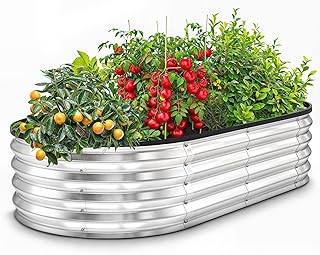
Utopia Home Galvanized Raised Garden Bed Kit 4x2x1ft, Planter Box Raised…


Folding Gardening Stool with Detachable Storage Tote Bag, Multifunctiona…
2. Vertical Garden for Limited Spaces

Struggling with limited outdoor space? A vertical garden can transform your small area into a lush oasis. By growing plants upward on walls or trellises, you save valuable ground space while creating a stunning visual centerpiece. Perfect for urban dwellers, this style allows you to cultivate a variety of plants in a compact design.
Start by selecting the right structure, such as wall planters or hanging pots, to maximize your vertical space. Choose plants that thrive in vertical conditions, including climbing vines and trailing herbs. Make sure your garden gets enough sunlight and consider a drip irrigation system for hassle-free watering.
Steps to set up your vertical garden:
– Use trellises or wall-mounted planters for support
– Pick climbing plants like peas and cascading herbs
– Position your garden for maximum sunlight exposure
– Implement an efficient watering system like drip irrigation
With a vertical garden, you’ll enjoy vibrant greenery and fresh herbs right outside your door, all while making the most of your space.
Garden beds ideas tip: a vertical garden can add up to 3x more growing space in a small area. In just 4 by 2 feet off a wall, you can grow herbs, greens, and flowering annuals—turning limited space into a lush, productive focal point.
📹 Related Video: Grow Zucchini Vertically to Save Space And Boost Harvests
Vertical Garden for Limited Spaces
Editor’s Choice

1 Pack Garden Obelisk Trellis for Climbing Plants Outdoor, 6FT Adjustabl…

Vertical Garden Wall Planters – 2-Pack Modern Matte Black Geometric Po…

6 Pockets Hanging Planters for Outdoor Plants, One Pack Wall Planter Ver…
3. Container Gardening for Versatile Options

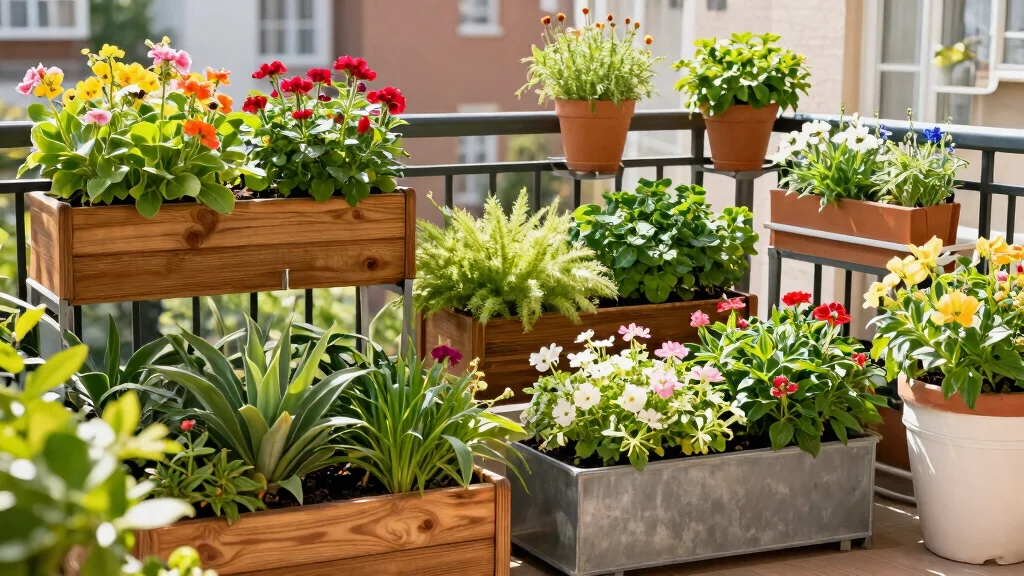
Are you looking for a flexible way to garden? Container gardening is the perfect solution for growing plants in limited spaces. With a wide variety of pots and even repurposed materials, you can create a portable garden that fits your style. Ideal for balconies or patios, this method allows you to experiment with different plants and arrangements.
Choose containers that match the size and needs of your plants. Quality potting soil is essential for maintaining moisture and nutrients. Mix and match different types of plants for an exciting visual display and consider grouping pots for a cohesive look.
Here’s how to maximize your container gardening:
– Select containers that fit your plant size needs
– Use high-quality potting soil for best results
– Mix flowers, herbs, and vegetables for variety
– Arrange pots together or spread them for visual interest
Container gardening brings creativity to your outdoor space while offering you the freedom to rearrange and replant as needed.
Containers turn balconies into thriving green spaces. Choose pots with drainage and quality potting soil, then rotate herbs and compact vegetables with the seasons—portable, budget-friendly, and a core piece of any garden beds ideas approach for small spaces.
Container Gardening for Versatile Options
Editor’s Choice

Miracle-Gro Potting Mix – For Container Plants, Flowers, Vegetables, Shr…

Garden Tools Set, 3 Pack Heavy Duty Gardening Tools Set Include Garden S…

VIVOSUN Self-Watering Planters, 6-Pack 10.5 Inch Compact Rectangular Win…
4. Hugelkultur Beds for Sustainable Gardening

Interested in eco-friendly gardening? Hugelkultur beds utilize decaying wood and organic matter to create a self-sustaining garden. This method retains moisture while enriching the soil as the materials break down, making it a fantastic option for environmentally conscious gardeners.
To start building a hugelkultur bed, choose a sunny spot with good drainage. Begin with large logs as the base, followed by smaller branches and organic debris. Cap it off with nutrient-rich soil to support healthy plant growth, particularly for deep-rooted crops.
Steps to establish your hugelkultur bed:
– Find a sunny, well-drained location
– Layer large logs and smaller branches at the base
– Top with rich soil and compost for planting
– Plant deep-rooted crops like carrots or potatoes
Hugelkultur beds not only contribute to sustainability but also create a unique and thriving garden space that benefits from natural processes.
Hugelkultur Beds for Sustainable Gardening
Editor’s Choice
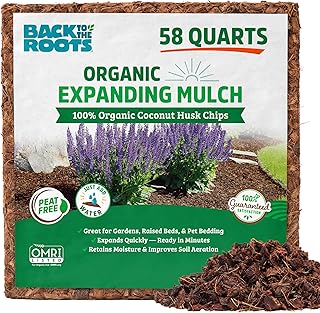
Back to the Roots 100% Organic Mulch, 58 Quart, Expanding Coconut Husk B…
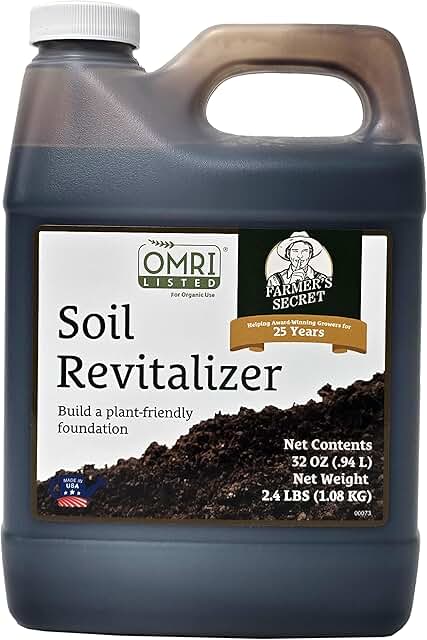
Farmer’s Secret Soil Revitalizer (32oz) – Organic (OMRI Listed) Dirt H…
5. Curved Flower Bed Layouts for Aesthetic Appeal

Want to add visual interest to your garden? Curved flower bed layouts create a beautiful flowing effect that enhances the overall landscape. These gently curved designs allow you to showcase a variety of flowers and plants in a harmonious way, making them perfect for creating focal points in your outdoor space.
Start by planning your layout using a garden hose to visualize the curves. Choose plants that bloom at different times for continuous color throughout the seasons. Adding mulch not only defines the shape but also helps retain moisture for your plants.
Steps to design your curved flower beds:
– Outline your desired shape with a hose or string
– Select plants with staggered bloom times for year-round color
– Apply mulch to enhance appearance and moisture retention
– Incorporate taller plants for added depth and dimension
Curved flower beds elevate the aesthetic appeal of your garden, creating an inviting space for relaxation and enjoyment.
You might also like

Curved Flower Bed Layouts for Aesthetic Appeal
Editor’s Choice
Garden Tools Set, 3 Pack Heavy Duty Gardening Tools Set Include Garden S…

100 ft Garden Hose,2026 New Improved Lightweight All-Weather Water Hoses…

HealthiStraw GardenStraw, 3 cu ft (20 lbs) All-Natural Mulch for Gardens…
6. Square Foot Gardening for Efficiency

Looking for an efficient gardening method? Square foot gardening divides your garden into smaller sections, each dedicated to a different plant. This organized approach maximizes space while reducing weeds, making it ideal for beginners and seasoned gardeners alike.
Start by creating a grid on your raised bed using dividers or string to mark each square foot. Plan which plants to grow together to enhance their growth and rotate crops each season to keep the soil healthy. Regularly monitor your plants for pests and watering needs, as smaller spaces can dry out quickly.
Key steps to establish your square foot garden:
– Create a grid with dividers or string
– Research compatible plants for effective growth
– Rotate your crops seasonally for optimal soil health
– Keep a close eye on watering and pest control
Square foot gardening not only promotes organization but also encourages healthy plant growth, ensuring a bountiful harvest.
Key Trade-offs & Our Top Pick
1. Elevated Raised Beds
– Pros:
– Great for maximizing yield in small spaces.
– Eases strain on your back with height adjustments.
– Prevents soil compaction, allowing plants to grow better.
– Cons:
– Higher initial cost for materials.
– Requires more effort to build and maintain.
– Limited to certain styles and sizes.
– Best for: Gardeners looking for a visually appealing and productive option that is easy on the back.
2. Vertical Garden Beds
– Pros:
– Ideal for small gardens or urban settings.
– Maximizes planting area without taking up much ground space.
– Can be made from recycled materials, making it eco-friendly.
– Cons:
– May need more frequent watering due to drainage issues.
– Plants can suffer if not monitored closely.
– Limited to certain types of crops, usually smaller ones.
– Best for: Urban dwellers or anyone short on horizontal space looking to include greenery in their life.
3. Container Gardening
– Pros:
– Highly versatile, allowing you to place plants anywhere.
– Easy to control soil and nutrients for individual plants.
– Great for beginners as you can start with a few pots.
– Cons:
– Limited space for root growth, leading to smaller yields.
– Requires regular watering, especially in hot weather.
– Can be costly if you buy high-quality containers.
– Best for: Gardeners who want flexibility and the ability to move plants around easily.
4. Hugelkultur Beds
– Pros:
– Uses natural materials, promoting sustainability.
– Creates a natural water reservoir, reducing the need for watering.
– Encourages biodiversity by providing habitat for various organisms.
– Cons:
– Takes time to build and may require more planning.
– Initial decomposition can cause settling, affecting planting.
– May attract pests if not maintained properly.
– Best for: Eco-conscious gardeners interested in long-term sustainability and natural gardening methods.
5. Curved Flower Bed Layouts
– Pros:
– Visually pleasing and enhances garden aesthetics.
– Allows for better spacing and organization of plants.
– Can create microclimates beneficial to specific plants.
– Cons:
– More complex to design and implement than traditional layouts.
– May require more maintenance due to varied plant heights.
– Less space-efficient than straight lines.
– Best for: Gardeners focused on creating beautiful landscapes with unique designs.
Expert Recommendation:
Best Overall: Elevated Raised Beds
Elevated raised beds stand out as the top choice for most gardeners. They offer great value for money, as they combine ease of use with high productivity. You can plant a variety of vegetables and flowers, while the height makes them user-friendly. The durability of raised beds means they can last for years, providing a consistent gardening experience.
Why We Picked This:
While elevated raised beds are great for most, those with limited space might lean towards vertical gardens. If you love moving plants around, container gardening could be your go-to. Hugelkultur beds serve eco-friendly enthusiasts, while curved flower beds attract those focused on aesthetics. Your gardening needs will dictate the best choice for you!
Square Foot Gardening for Efficiency
Editor’s Choice
Utopia Home Galvanized Raised Garden Bed Kit 4x2x1ft, Planter Box Raised…

Garden Tools Set, 8 Piece Gardening Tools Set with Non Slip Ergonomic Ha…

Set of 43 Assorted Vegetable & Herb Seed Packets – Over 10,000 Seeds! – …
7. Pollinator-Friendly Garden Beds

Want to help local wildlife while beautifying your garden? Pollinator-friendly beds attract bees, butterflies, and other beneficial insects by featuring a variety of nectar-rich flowers. This not only enhances the beauty of your outdoor space but also supports the pollination of your plants.
Choose a diverse range of native plants and avoid pesticides to create a safe habitat for pollinators. Adding elements like bee hotels or water sources will encourage these important visitors. Grouping similar flowers together makes it easy for pollinators to find food and thrive.
Steps to create your pollinator-friendly beds:
– Incorporate a variety of native flowers and herbs
– Use organic gardening techniques to avoid pesticides
– Provide shelter with bee hotels or small water features
– Group flowers by type to attract more pollinators
By designing pollinator-friendly garden beds, you contribute to a healthier ecosystem while enjoying a vibrant display of nature’s beauty.
Pollinator-friendly garden beds thrive when you mix nectar-rich natives with water sources and bee hotels. Skip pesticides, group plants by bloom time, and watch bees and butterflies turn your yard into a busy, buzzing oasis.
Pollinator-Friendly Garden Beds
Editor’s Choice

Hummingbird Nectar Wildflower Seeds – 1oz, Open-Pollinated Flower Seed M…

EGREE Mason Bee Houses Outdoor Wooden Bee Hotel for Garden and Yard Hand…
8. Herb Spiral for Maximum Flavor
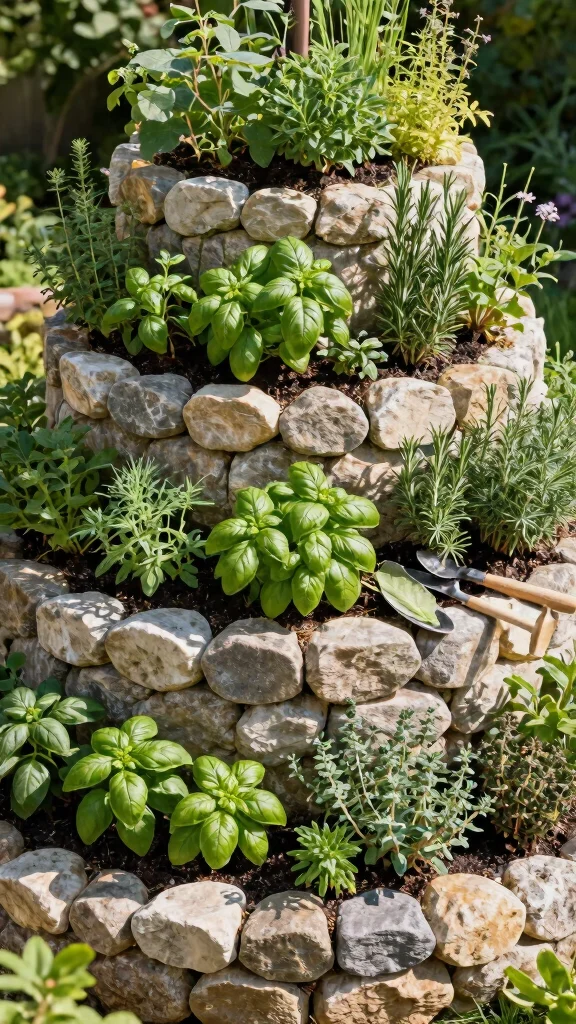
Want to grow fresh herbs in a unique way? An herb spiral is an innovative vertical design that maximizes space while providing ideal growing conditions for various herbs. The spiral shape creates different microclimates, allowing you to cater to each plant’s specific needs.
Begin by finding a sunny spot for your spiral. Use materials like stones or bricks to construct a sturdy structure. Plan to include a mix of culinary and medicinal herbs to enhance both flavor and utility in your cooking.
Steps to build your herb spiral:
– Choose a sunny location that can support the spiral
– Gather materials like stone, brick, or wood
– Select a variety of herbs for diverse flavors
– Water according to the needs of each plant level
The herb spiral not only serves as a striking garden feature but also provides fresh herbs, enriching your culinary experiences.
You Might Also Like


Herb Spiral for Maximum Flavor
Editor’s Choice

OYEAL Raised Garden Bed 32″ Tall Elevated Planter Boxes with Trellis & L…

Seed Needs Herb Seeds Variety Pack Culinary Herb Collection (12 Individu…
9. Rustic Raised Beds with a Twist

Do you appreciate a charming, rustic look? Raised garden beds made from reclaimed wood or natural stones bring a vintage charm to your outdoor area while being functional. These rustic beds can spark conversations and are perfect for enhancing the overall aesthetics of your garden.
Start by sourcing reclaimed materials to create a unique design. Add decorative elements like garden labels or wind chimes to personalize your space. Ensure your raised beds have proper drainage to keep plants thriving, and consider using companion planting to boost productivity.
Steps to create your rustic raised beds:
– Source reclaimed wood or stones for a unique appearance
– Add decorative touches to enhance character
– Ensure proper drainage for plant health
– Utilize companion planting for better yields
Rustic raised beds not only serve a purpose but also beautify your garden, making it an inviting place to enjoy nature.
Rustic Raised Beds with a Twist
Editor’s Choice

Yaheetech 8×2ft Wooden Horticulture Raised Garden Bed Divisible Elevate…

VEVOR Geotextile Landscape, 4ft x 100ft 8 oz Non-Woven PP Drainage 350N …

VITEVER 100pcs Plant Labels, T-Type Plastic Tags with Marker Pen, Waterp…
Conclusion

Whether you’re looking to enhance productivity or simply beautify your outdoor space, these nine garden bed ideas offer something for every gardener. From vertical solutions for small areas to rustic raised beds filled with charm, each concept is designed to inspire creativity and nurture plants effectively. Embrace these ideas to create a stunning outdoor sanctuary, and don’t forget to share your gardening journey with others!
Let these garden bed ideas elevate your gardening experience and transform your outdoor space into the haven you’ve always envisioned.
Note: We aim to provide accurate product links, but some may occasionally expire or become unavailable. If this happens, please search directly on Amazon for the product or a suitable alternative.
This post contains Amazon affiliate links, meaning we may earn a small commission if you purchase through our links, at no extra cost to you.
Frequently Asked Questions
What are some practical garden beds ideas to create a stunning and productive outdoor space?
There are plenty of garden beds ideas that balance beauty and function.
Start with a mix of vertical garden beds ideas for tight spaces and traditional raised garden beds for easy access and better soil control.
Use a simple color palette and a repeating layout to create a cohesive look, then layer crops with taller plants at the back.
Finish with a smart irrigation plan to keep your space productive year-round.
How can I incorporate vertical garden beds ideas into a small space without sacrificing style or yield?
In a small space, vertical garden beds ideas let you grow more without spreading out.
Start with wall-mounted planters, trellises, or hanging pockets on fences, and pair them with a compact vegetable garden design in a raised bed for heavier crops.
Choose dwarf or climbing varieties, place them where they get sun, and keep watering simple with a drip system.
This approach keeps your outdoor planting solutions tidy and productive.
What should I consider when choosing raised garden beds for a vegetable garden design?
Choose raised garden beds that suit your space, height, and soil needs.
Key factors include durable material, proper drainage, bed depth for root systems, and easy access for vegetable garden design maintenance.
Plan a layout that reduces stepping and supports companion planting, and fill with a high-quality mix to boost germination and yields.
This setup makes gardening simple for newcomers and seasoned growers alike.
What gardening tips for beginners help with flower bed layouts and outdoor planting solutions?
For gardening tips for beginners, start with a clear plan for flower bed layouts that matches sun exposure, water needs, and soil type.
Sketch paths, group plants by light needs, and add mulch to suppress weeds.
Install a simple irrigation system and select plants suited to your climate to simplify outdoor planting solutions.
How can I maintain soil health and water efficiency across different garden bed ideas for maximum harvest?
Soil health and water efficiency pay off across any garden beds ideas.
Build compost and use a rich soil mix, mulch to conserve moisture, and rotate crops to reduce pests.
Install a drip irrigation or soaker hose to deliver water directly to roots, and collect rainwater if possible.
With good soil and efficient watering, you’ll maximize harvest with less effort.
Related Topics
garden beds ideas
vertical gardening
raised garden beds
vegetable garden design
flower bed layouts
easy gardening tips
outdoor planting solutions
beginner friendly gardening
sustainable gardening
seasonal planting
DIY garden projects
compact gardening