
Growing peas on a trellis can be a delightful way to elevate your gardening game. If you’ve ever gazed longingly at lush, vertical gardens, you know the joy they bring. I created this post to help you turn your outdoor space into a green haven, specifically focusing on one of the easiest and most rewarding plants to grow: peas. Whether you’re a seasoned gardener or just starting out, you’ll find that growing these sweet, edible gems vertically not only saves space but also adds beauty to your garden.
If you’re into vertical gardening, trellis gardening, or simply want to enjoy fresh peas right from your backyard, this guide is for you. You’ll learn how to choose the right trellis, prepare your soil, and care for your pea plants. Plus, I’ll share tips on companion planting and troubleshooting common issues. By the end of this post, you’ll be equipped with actionable insights to create a lush vertical garden that thrives with green, delicious peas.
Let’s dive into how you can grow peas on a trellis to enhance your gardening experience and savor the fruits of your labor!
Key Takeaways
– Choosing the Right Trellis: Understand different trellis types, including A-frame, netting, and wall-mounted options to support your pea plants effectively.
– Preparing the Soil: Learn how to enrich your soil with compost and organic matter to create an optimal environment for growing healthy peas.
– Planting Peas: Get tips on the best time to plant peas and techniques for spacing and depth to ensure productive growth.
– Care and Maintenance: Discover essential care practices, including watering, fertilizing, and pest control to keep your pea plants healthy and thriving.
– Harvesting and Storing: Find out when to harvest your peas for the best flavor and how to store them properly to enjoy their freshness longer.
1. Choosing the Right Trellis for Your Peas

Are you excited to grow your own peas but not sure how to support them? Finding the right trellis can truly elevate your gardening experience. Peas are natural climbers, reaching heights of over 6 feet, so a robust trellis is vital. Bamboo, wire frames, or even recycled wooden pallets can provide the necessary support while adding charm to your garden. Ensure your choice is tall enough to allow for mature plants and sturdy enough to handle the elements.
Here are some tips to make the best choice:
– Material Matters: Opt for weather-resistant materials like wood, metal, or composite.
– Height and Width: Go for a trellis that stands at least 5-6 feet tall for ample growth space.
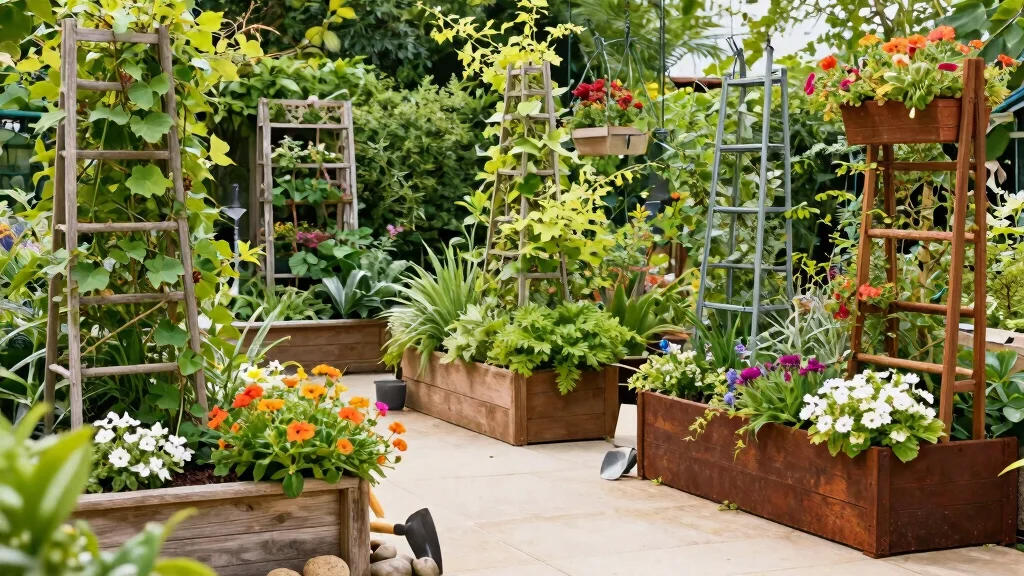
– Design and Aesthetics: Think about how the trellis complements your garden style; rustic wood suits a country vibe, while sleek metal fits a modern theme.
– Easy Access: Choose a trellis that allows you to water and harvest easily for a more enjoyable gardening experience.
A well-chosen trellis is your first step towards a thriving vertical garden filled with flourishing pea plants.
Fun fact: Peas are natural climbers—trained on a sturdy trellis, they can reach 6 feet tall, boosting yields in growing peas trellis setups. Choosing the right trellis makes all the difference for height, airflow, and harvest.
Choosing the Right Trellis for Your Peas
Editor’s Choice

Metal Trellis for Climbing Plants Outdoor, 2026 Upgrade 100% Metal with …


Expandable Garden Trellis Plant Support Willow Lattice Fence Panel for C…

Avalution 10 Pack Bamboo Trellis for Climbing Plants 16″ Natural Garden …
2. Preparing the Soil for Healthy Peas

Are you ready to give your peas the best start possible? Healthy soil is the foundation of a thriving pea garden. Begin by testing your soil’s pH; peas thrive in slightly acidic to neutral conditions, ideally between 6.0 and 7.0. Improve your garden bed with organic compost to boost nutrients and enhance soil structure. Well-drained soil is key to preventing waterlogging, which can harm your pea plants.
Here are some soil preparation tips:
– Amend with Compost: Add a generous layer of compost to enrich the soil and promote beneficial microbes.
– Tilling: Loosen the soil by tilling to a depth of at least 12 inches for optimal aeration.
– Fertilization: Incorporate a balanced, slow-release fertilizer before planting; organic options like fish emulsion work well.
– Weed Control: Clear the area of weeds to minimize competition for nutrients.
By properly preparing your soil, you’ll pave the way for a bountiful pea harvest.
📹 Related Video: Struggling with Poor Soil? Try This EASY Fix!
How To Choose The Right Trellis for Your Peas
When it comes to growing peas, the right trellis can make all the difference. A well-chosen trellis not only supports your pea plants but also maximizes your garden space. Let’s explore how to select the perfect trellis for your vertical garden.
1. Size Matters
You’ll want a trellis that matches the height and growth habits of your pea plants. Generally, peas can grow between 3 to 6 feet tall. If you’re planting climbing peas, aim for a taller trellis—about 5 to 6 feet. If space is limited, you can even use a shorter trellis for bush varieties, which need support but don’t climb as high.
2. Material Selection
Trellises come in various materials, such as wood, metal, and plastic. Wooden trellises provide a natural look and blend well with your garden. Metal trellises are sturdy and long-lasting but may need to be treated to avoid rust. Plastic options are lightweight and often inexpensive but may not withstand strong winds. Consider your climate and the durability you need for your trellis.
3. Design Features
Look for trellis designs that suit both your gardening style and the specific needs of your peas. Some trellises are flat panels, while others have an A-frame or arch shape. An A-frame design offers stability and works well in limited space. Ensure the design allows for good air circulation and sunlight, which are essential for healthy pea growth.
4. Budget Considerations
Trellises can range from very affordable to quite expensive. Set a budget before you start shopping. If you’re looking for cost-effective options, consider DIY trellises using materials like bamboo stakes or repurposed wood pallets. A simple structure can be very effective and budget-friendly, allowing you to save for other gardening supplies.
5. Ease of Access
Your trellis should allow easy access to your pea plants for watering, harvesting, and maintenance. Look for trellises that are not too bulky and can be placed in a way that you can easily reach both sides. You might want to think about the layout of your garden and where you’ll be planting your peas to ensure access is convenient.
6. Stability and Support
Finally, consider how much support your trellis will provide. Pea plants can be heavy when full of pods, so a sturdy trellis is essential. Ensure it is anchored well to withstand wind and rain. You might also want to add some netting or twine for extra support, especially if you’re growing a heavier variety.
Pro Tip: When choosing a trellis, consider the aesthetics of your garden. A beautiful trellis can enhance your garden’s overall look while serving its practical purpose. Look for colors and styles that complement your garden theme. A well-designed trellis not only supports your peas but also adds visual interest to your vertical garden!
Preparing the Soil for Healthy Peas
Editor’s Choice

Back to the Roots 25.7qt (1 Cubic ft) Organic Premium Compost

Rapitest Soil Test Kit for Gardens, Vegetables, Flowers and Lawns. USA d…

Hooyman Mini Digging Shovel with Heavy Duty Carbon Steel Construction, E…
3. Planting Peas: Timing and Techniques

Are you eager to see those green shoots pop up? Timing is crucial for planting peas. These cool-weather crops thrive when sown 4-6 weeks before the last frost date in your area. You can plant directly into the ground or start indoors for an earlier yield. To sow seeds, plant them 1-2 inches deep and 2-3 inches apart at the base of your trellis. For indoor planting, use seed trays and transplant once they’re sturdy.
Here’s how to get it right:
– Optimal Timing: Peas prefer temperatures between 50°F and 70°F; early spring or late summer is best in warmer areas.
– Spacing: Ensure seedlings have enough room to grow without crowding by spacing them adequately.
– Mulching: After planting, add mulch to retain moisture and suppress weeds while stabilizing soil temperature.
Following these techniques will set your pea plants up for healthy growth from the start!
Planting Peas: Timing and Techniques
Editor’s Choice

Fiskars Trowel, Heavy Duty Gardening Hand Tool with Hang Hole, For Diggi…

Burpee SuperSeed Seed Starting Tray | 36 Cell Reusable Seed Starter Tray…
4. Care and Maintenance of Your Pea Plants

Once you’ve planted your peas, regular care is key to their success. Focus on consistent watering, fertilizing, and pest monitoring. Peas like their soil moist, so water them regularly—just be careful not to overdo it, as this can lead to root rot. Adding a balanced fertilizer every few weeks will give your plants the nutrients they need to thrive.
Here are some care tips:
– Watering Schedule: Aim for about an inch of water weekly, adjusting for weather; watering in the morning reduces evaporation.
– Pest Management: Watch for aphids and other pests; use organic methods like neem oil for control.
– Support System: As the plants grow, guide their tendrils to wrap around the trellis for support.
– Regular Harvesting: Pick peas as soon as they plump up to enjoy optimal flavor; frequent harvesting will encourage more pods.
With dedicated care, your pea plants will reward you with abundant harvests!
You might also like

Care and Maintenance of Your Pea Plants
Editor’s Choice

Watering Can Indoor, Small Watering Cans for House Plants, Succulents an…

Burpee Organic Tomato & Vegetable Granular Plant Food, 4 lb
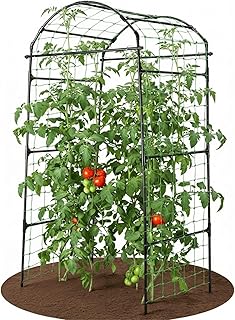
79″ Garden Trellis Arch for Climbing Plants – Tall Outdoor Metal Trell…
5. Companion Planting with Peas

Are you looking to boost your garden’s productivity? Companion planting is a smart strategy, especially with peas. These legumes enrich the soil by fixing nitrogen, benefiting nearby plants. Pairing peas with suitable companions can lead to healthier plants and better yields. Great partners for peas include carrots, radishes, and cucumbers, all of which can thrive with the nutrients peas provide.
Consider these tips for successful companion planting:
– Carrots: Peas can shade carrots, helping them thrive while benefiting from nitrogen-rich soil.
– Cucumbers: Peas can climb on cucumber trellises, creating a stunning vertical garden and maximizing space.
– Avoiding Conflict: Steer clear of planting peas near onions or garlic, as these can inhibit their growth.
By carefully selecting companion plants, you can cultivate a mini-ecosystem that supports growth and boosts your harvest.
Companion Planting with Peas
Editor’s Choice

Organic Snap Pea Seeds (Sugar Daddy) – Approx 75 Seeds – USDA Organic, N…

Cucumber Trellis – 49.4″*49.4″ Metal Garden Trellis for Climbing Plants,…
6. Troubleshooting Common Pea Plant Issues
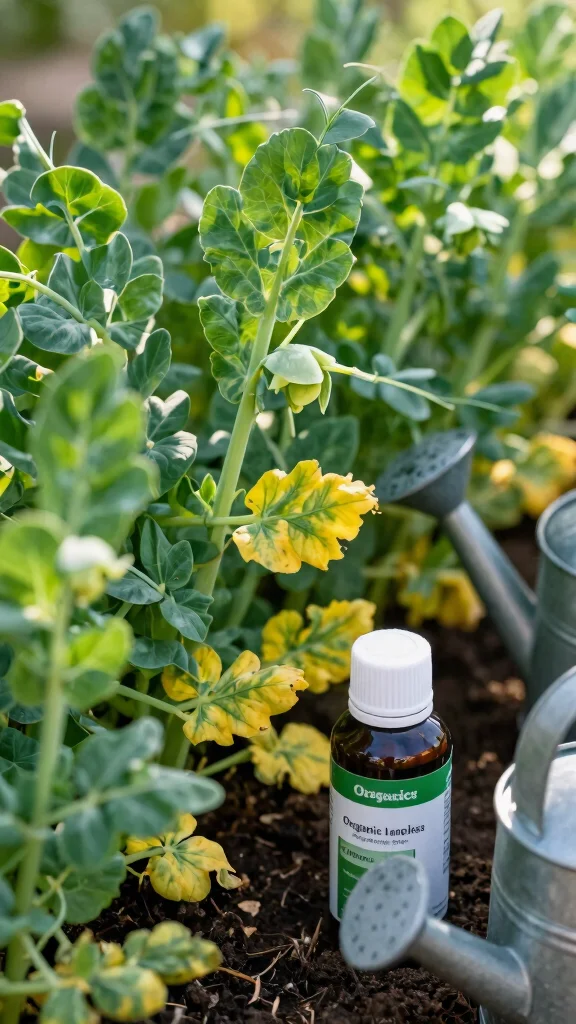
Are you facing challenges while growing peas? Like any gardening endeavor, pea plants can encounter issues. Identifying and addressing these problems early can save your harvest. Powdery mildew is a common concern, particularly in humid conditions. Proper spacing can improve air circulation, reducing the risk of this disease. Other issues include yellowing leaves from nutrient deficiencies or pests like aphids.
Here’s how to troubleshoot:
– Powdery Mildew: If you see a white powdery substance, enhance airflow and consider organic fungicides for treatment.
– Yellowing Leaves: This may signal nitrogen deficiency; a balanced organic fertilizer can help.
– Aphid Infestations: Check the undersides of leaves for aphids; introduce beneficial insects like ladybugs or use insecticidal soap to manage them.
By being proactive, you can help your pea plants stay healthy and productive!
Fun fact: Giving peas enough space can boost airflow by about 25-30%, slashing powdery mildew risk. Regular checks for yellowing leaves and aphids catch trouble early, protecting your harvest.
Troubleshooting Common Pea Plant Issues
Editor’s Choice
Burpee Organic Tomato & Vegetable Granular Plant Food, 4 lb

Bonide Captain Jack’s Copper Fungicide, 32 oz Ready-to-Use Spray for Org…

Bonide Captain Jack’s Neem Oil, 32 oz Ready-to-Use Spray, Multi-Purpose …
7. Harvesting and Storing Your Peas
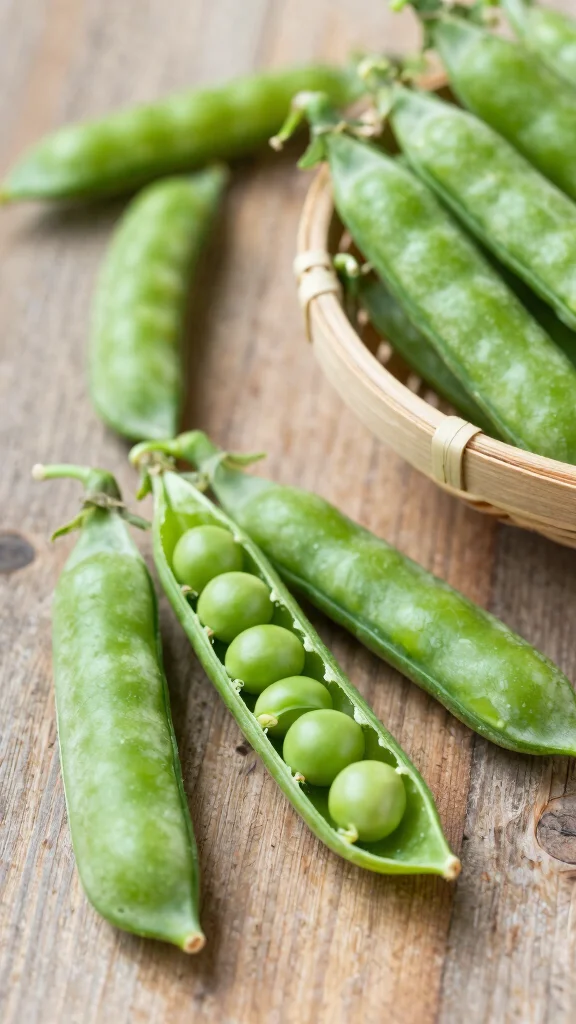
Are you ready to enjoy the fruits of your labor? Harvesting peas at the right time is essential for maximum flavor and texture. Generally, peas are ready to pick when the pods feel full yet tender, typically around 60-70 days after planting. Gently pull the pods off the vine to avoid damaging the plant. While fresh peas are the best, you can also freeze them for future enjoyment.
Here are some harvesting tips:
– Timing: Harvest in the morning when sugar content is highest for the best flavor.
– Storage: For short-term storage, place peas in a breathable bag in the fridge; for long-term, blanch briefly, cool, and freeze.
– Frequent Picking: Regular harvesting encourages more pod production, so don’t hesitate to pick!
Relishing your homegrown peas is one of the most rewarding aspects of gardening!
Fun fact: Peas are usually ready to pick about 60-70 days after planting. Harvest in the morning when pods feel full yet tender, then freeze any surplus to preserve sweetness. In growing peas on a trellis, gentle plucks protect the plant for repeat harvests.
You Might Also Like

Harvesting and Storing Your Peas
Editor’s Choice

Adjustable Electric Pea Sheller Machine, Semi Automatic Bean Pea Sheller…

Fiskars Bypass Pruning Shears, 5/8″ Cut Capacity Gardening Scissors, Sel…

100% Compostable Gallon Freezer Bags Biodegradable Food Storage Bag for …
8. Benefits of Growing Peas in a Vertical Garden

Are you considering a vertical garden? Growing peas on a trellis offers many benefits beyond aesthetics. Vertical gardening maximizes your space, allowing you to cultivate more plants in a smaller area—perfect for urban gardens. Additionally, growing peas vertically can improve air circulation, reducing pest issues and making harvesting easier.
Consider these advantages:
– Space-Efficient: Vertical gardening optimizes vertical space, ideal for small gardens or patios.
– Increased Yield: Better sun exposure and airflow often lead to greater yields when peas are grown on trellises.
– Easy Maintenance: Keeping plants elevated reduces soil-borne diseases and simplifies weed control.
– Visual Appeal: A lush trellis adorned with pea plants adds beauty to your garden landscape.
Embrace vertical gardening with peas and enjoy the many rewards they bring!
Benefits of Growing Peas in a Vertical Garden
Editor’s Choice

1 Pack Garden Obelisk Trellis for Climbing Plants Outdoor, 6FT Adjustabl…

CIQIYO® 100 Pcs Plant Support Clips,Plastic Clips for Securing Plants,T…

KVITER 100 Sugar Snap Peas Seeds (Pisum sativum) – Sweet Pea Heirloom …
Conclusion

Growing peas on a trellis not only enhances your garden’s beauty but also offers a sustainable and rewarding gardening experience. With the right trellis, proper care, and attention to detail, you’ll enjoy a bountiful harvest that’s both delicious and nutritious. Whether you’re just starting out or looking to enhance your gardening skills, the joy of nurturing your pea plants is sure to inspire your love for gardening. So grab your trellis and seeds, and start creating your own lush vertical vegetable garden today!
Note: We aim to provide accurate product links, but some may occasionally expire or become unavailable. If this happens, please search directly on Amazon for the product or a suitable alternative.
This post contains Amazon affiliate links, meaning we may earn a small commission if you purchase through our links, at no extra cost to you.
Frequently Asked Questions
How do I start growing peas on a trellis for a lush vertical garden?
Getting started with growing peas trellis is easier than you think. Choose a sunny spot (6-8 hours) and amend the soil with compost for rich, well-draining beds. Pick a climbing pea variety suited for trellis gardening and install a sturdy trellis before you plant. Sow seeds about 1-2 inches apart, then gently train the vines onto the support as they grow. Water at the base to keep foliage dry, mulch to conserve moisture, and keep the soil evenly moist. Harvest regularly to encourage more production and keep your vertical vegetable garden thriving. This setup fits well with vertical gardening and sustainable gardening goals by saving space and reducing workload.
Which pea varieties are best for vertical gardening with a trellis?
For vertical gardening, choose climbers bred for trellising. Sugar Snap peas and Snow peas are popular and productive on a trellis, while classic climbers like Kelvedon Wonder or Oregon Sugar Pod also perform well. Check days to maturity and plan early- and late-season types to extend your harvest. Sowing in several rounds (every 2-3 weeks) helps maximize space on a vertical vegetable garden and keeps fresh pods coming throughout the season.
How often should I water and feed peas on a trellis, and how can I prevent common problems?
Peas like steady moisture but hate wet foliage. Water deeply at the base to minimize powdery mildew and disease on the leaves. Mulch with straw or compost to maintain moisture and suppress weeds. In pea plant care, avoid heavy fertilization—peas fix nitrogen, so a light side-dress of compost is usually enough. Use drip irrigation for consistent watering, monitor for aphids or mildew, and treat promptly if pests appear. Rotate crops each year to support sustainable gardening practices.
How can I maximize yield and space in a small vertical garden with peas?
Maximize yield by letting the peas climb a tall, sturdy trellis and training vines along the vertical support. Use succession planting—sow new peas every 2-3 weeks to keep pods coming. Plant along the trellis to make the most of vertical space, and consider a layer of quick-growing greens at the base to fill empty space. With smart trellis gardening and careful planning, you can grow a surprising amount of edible peas in a compact vertical vegetable garden and keep it sustainable.
When is the right time to harvest peas and how can I tell they’re ready on a trellis?
Harvest pods when they’re plump, bright, and tender. For Sugar Snap or Snow peas, pick when pods are full but still crisp; for shelling peas, wait until the peas inside are well-formed and the pod skin looks smooth. Harvest every 2-4 days to encourage continuous production in your vertical vegetable garden. Use gentle plucking to avoid damaging the vines, and refrigerate shortly after picking for best freshness. Regular picking helps keep your vertical gardening system productive.
Related Topics
growing peas trellis
vertical gardening
trellis gardening
pea plant care
sustainable gardening
edible plants
beginner friendly
vertical vegetable garden
urban gardening
small space gardening
easy gardening tips
seasonal gardening