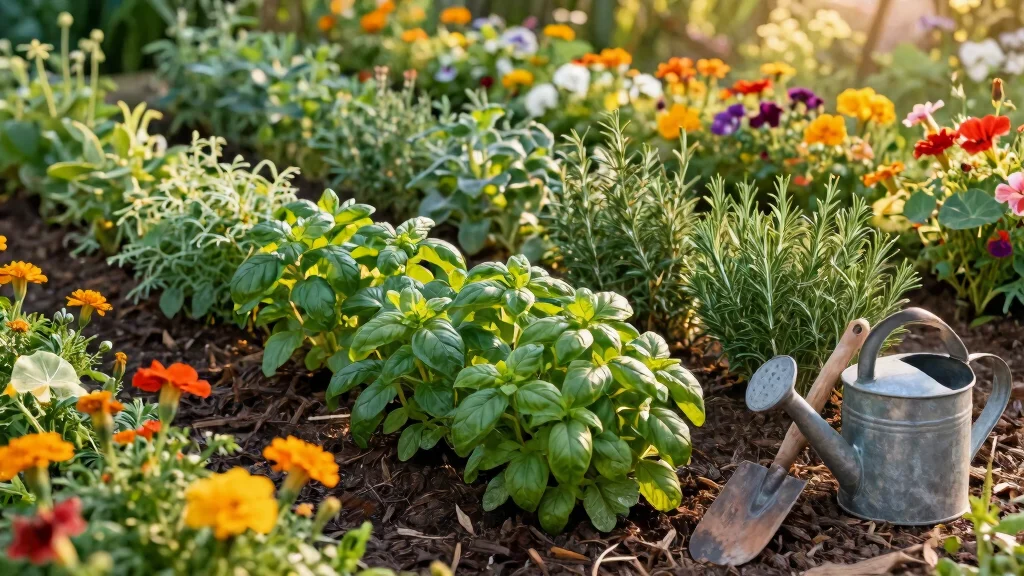
Gardening is more than just planting seeds and waiting for them to grow. It’s an art, a science, and for many, a passion. One of the most thrilling aspects is learning how to create a thriving ecosystem right in your backyard. Herb companion planting is a technique that not only enhances your garden’s yield but also promotes natural pest control. If you’ve ever felt overwhelmed by pests or struggled with poor plant growth, this post is designed for you.
If you’re a gardening enthusiast who loves to explore organic techniques or someone just starting out, you’ll find valuable insights here. In this guide, I’ve compiled eight incredible herb companion planting ideas that can help your garden flourish. These ideas are practical, easy to follow, and will make your gardening journey a lot more enjoyable and fruitful. Get ready to discover the magic of plant synergy and how it can transform your herb garden into a haven of health and flavor.
By the end of this article, you’ll not only understand the benefits of companion planting but also how to implement these strategies effectively. Each pairing has unique advantages, from boosting growth to deterring pests. So, let’s dive into these herb companions and watch your garden thrive naturally!
Key Takeaways
– Enhance growth: Certain herb combinations, like basil and tomatoes, can accelerate plant growth and improve yield.
– Natural pest control: Use herbs like mint and rosemary to deter harmful insects without chemicals.
– Flavor enhancement: Some pairings, such as chives and carrots, can boost the flavor of your vegetables.
– Space efficiency: Companion planting allows you to maximize your garden space by utilizing vertical growth and diverse plant heights.
– Organic practices: This guide follows organic gardening techniques, promoting a healthier environment for your plants and the ecosystem.
1. Basil and Tomatoes: A Match Made in Heaven

Are you looking to elevate your tomato game? Pairing basil with tomatoes is a culinary classic that brings out the best in both. Not only does basil enhance the rich flavor of tomatoes, but it also naturally wards off pesky insects, making your gardening journey smoother and more enjoyable. These two herbs thrive in similar sunny environments, ensuring they grow beautifully together.
With basil nestled among your tomato plants, you’ll likely see healthier growth and even bigger, juicier tomatoes. For the best results, intersperse basil throughout your tomato rows, giving each one enough space to flourish.
Herb gardening tips:
– Water regularly, but be cautious not to overwater.
– Pinch back basil to encourage bushier growth.
– Rotate planting each year to maintain soil health.
This combination not only boosts your garden’s productivity but also creates a stunning visual contrast with vibrant greens and deep reds.
How To Choose the Right Herb Companion Planting for Your Garden
When it comes to herb companion planting, making the right choices can lead to a thriving garden. Here’s how to select the best herbs to plant together for optimal growth and pest control.
1. Understand Plant Synergy
Before choosing herbs, research which plants grow well together. Some herbs improve the growth of others, while some can hinder it. For example, basil and tomatoes support each other’s growth, while mint can overpower nearby plants. Knowing which combinations work together helps create a balanced garden environment.
2. Assess Your Garden Space
Take a good look at your garden space. Consider sunlight, soil type, and available room. Different herbs have varying light and space requirements. For instance, rosemary needs full sun, while cilantro prefers partial shade. Measure the area you have and plan accordingly to allow each herb enough space to thrive without competing for sunlight or nutrients.
3. Consider Pest Control
Pest control is one of the main benefits of companion planting. Certain herbs act as natural repellents to common garden pests. For example, planting mint near cabbage can deter pests that harm your crops. Research the best pest-repellent herbs for your area to keep your garden healthy and pest-free.
4. Think About Culinary Uses
Choose herbs that not only grow well together but also suit your cooking needs. Think about the flavors and cuisines you enjoy. For instance, pairing oregano with peppers not only enhances growth but also offers fresh flavors for your dishes. Planning your herbs based on your cooking preferences can make your garden more rewarding.
5. Pay Attention to Growth Habits
Look at how different herbs grow. Some spread quickly, while others grow upright and tall. For instance, cilantro can grow quickly and take over a space if not managed. In contrast, chives grow in clumps. Choose herbs that fit well together in terms of growth patterns to avoid overcrowding and ensure a healthy garden.
6. Evaluate Seasonal Adaptability
Consider the growing season for each herb you want to plant. Some herbs thrive in cooler weather, while others prefer the heat. For example, basil loves warmth, while thyme can tolerate a bit of frost. Plan your planting schedule around your local climate to maximize the growth potential of your herbs throughout the seasons.
Pro Tip: Keep a garden journal! Track which combinations work best and note any changes in growth or pest issues. This can help you improve your herb companion planting strategies in future seasons.
Choosing the right herb companions is essential for a successful garden. By understanding plant synergy, assessing your space, and considering culinary uses, you can create a thriving herb oasis that naturally supports your gardening goals! 🌱
Basil and Tomatoes: A Match Made in Heaven
Editor’s Choice

BioAdvanced Organics Brand Tomato, Vegetable & Fruit Plant Bug Spray, Re…


HOME GROWN Non GMO Genovese Basil Seeds Pack 1,750+ High Germination Hei…
2. Mint and Cabbage: A Natural Pest Deterrent
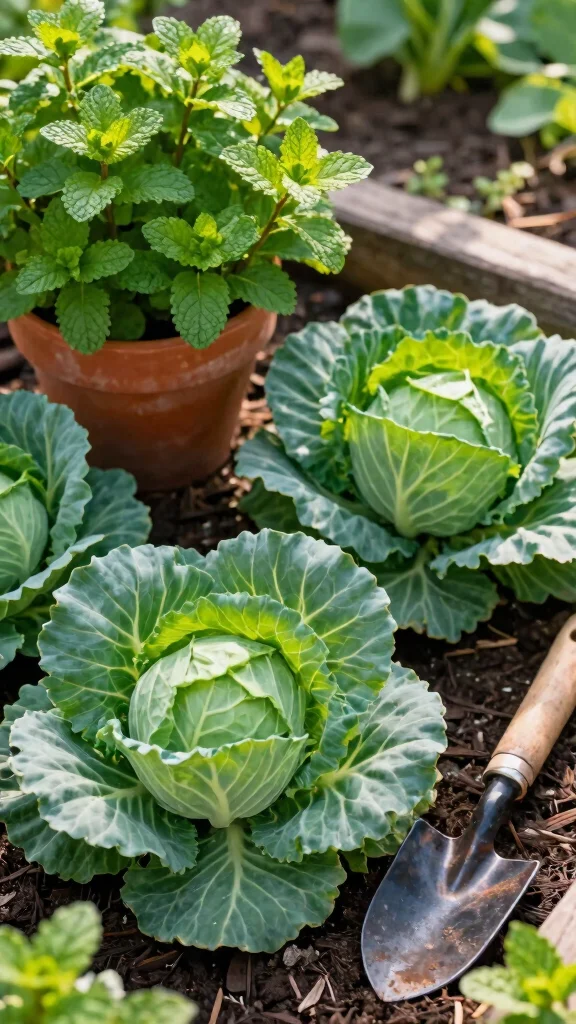
Craving a pest-free garden? Mint is your go-to herb! When planted alongside cabbage, it acts as a natural barrier against pests like aphids and cabbage moths. Its strong aroma confuses these insects, allowing your cabbage to thrive without worry. Just a heads-up—mint can be quite aggressive, so using pots is a smart way to keep it in check while reaping its benefits.
This pairing not only protects your cabbage but also enhances the flavor of both plants, giving you a robust harvest. When planted effectively, you’ll enjoy the beautiful contrast of dark green cabbage against vibrant mint leaves.
Companion planting benefits:
– Enhanced pest control for your cabbage.
– Improved flavor in both your mint and cabbage when grown together.
– Mint’s low maintenance nature means you’ll have a reliable herb on hand.
Plus, the invigorating scent of mint wafting through your garden is simply delightful!
Mint and Cabbage: A Natural Pest Deterrent
Editor’s Choice

Sow Right Seeds – Mint Seeds for Planting – Non GMO Heirloom Perennial H…

Mighty Mint Peppermint Oil Insect Repellent Spray – Indoor & Outdoor B…

OurWarm Windowsill Herb Planter Box Indoor Set of 3, 10.5 Inch Self Wate…
3. Rosemary and Beans: Boosting Growth Through Synergy

Are you ready to supercharge your garden? Planting rosemary with beans creates a wonderful partnership that enhances growth and flavor. Rosemary attracts pollinators, boosting your bean yields while also deterring pests that could harm your plants. Beans, in turn, enrich the soil with nitrogen, fostering a stronger root system for the rosemary.
Spacing is key to ensure that both plants can thrive together. When well cared for, this duo not only supports each other but fills your garden with a delightful, herbaceous aroma.
Organic gardening techniques:
– Interplant rosemary and beans in the same bed for maximum benefits.
– Ensure proper drainage to avoid waterlogging, especially around the beans.
– Harvest rosemary regularly to encourage growth and avoid crowding.
This combination not only creates a healthier garden ecosystem but also fills the air with an irresistible fragrance.
❝ Fun fact: In herb companion planting, rosemary with beans can boost pollinator visits by up to 30%, helping beans set more pods. Beans fix nitrogen, giving rosemary a stronger root system for flavorful leaves. Space them well to let both thrive!
📹 Related Video: Science-Based Companion Planting Combinations That WORK
Rosemary and Beans: Boosting Growth Through Syn…
Editor’s Choice

Sow Right Seeds – Contender Bush Green Bean Seeds for Planting – Non-GMO…

HOME GROWN Non GMO Rosemary Seeds Pack – 150 High Germinating Heirloom H…
4. Chives and Carrots: Flavorful Together

Looking to boost your carrot crop? Chives are the perfect companion! These herbs deter carrot flies that can ruin your harvest and enhance the sweet flavor of carrots. Planting chives next to carrots creates a mutually beneficial environment, where both can thrive in similar soil conditions, preferring well-drained, loamy soil and plenty of sunlight.
For best results, sow chive seeds close to your carrot rows, allowing adequate space for growth. You’ll enjoy a bountiful harvest while adding a delightful onion-like flavor to your dishes.
Herb gardening tips:
– Thin your carrots to ensure adequate space between plants.
– Regularly trim chives to encourage new growth and prevent overcrowding.
– Water adequately, especially during dry spells, to keep both plants happy.
This dynamic duo enriches your garden while providing flavors that elevate your culinary creations.
You might also like

Chives and Carrots: Flavorful Together
Editor’s Choice

Seeds – Chives Seeds – Non-GMO Seeds with Easy to Follow Planting Instru…
5. Thyme and Strawberries: Sweet Companions

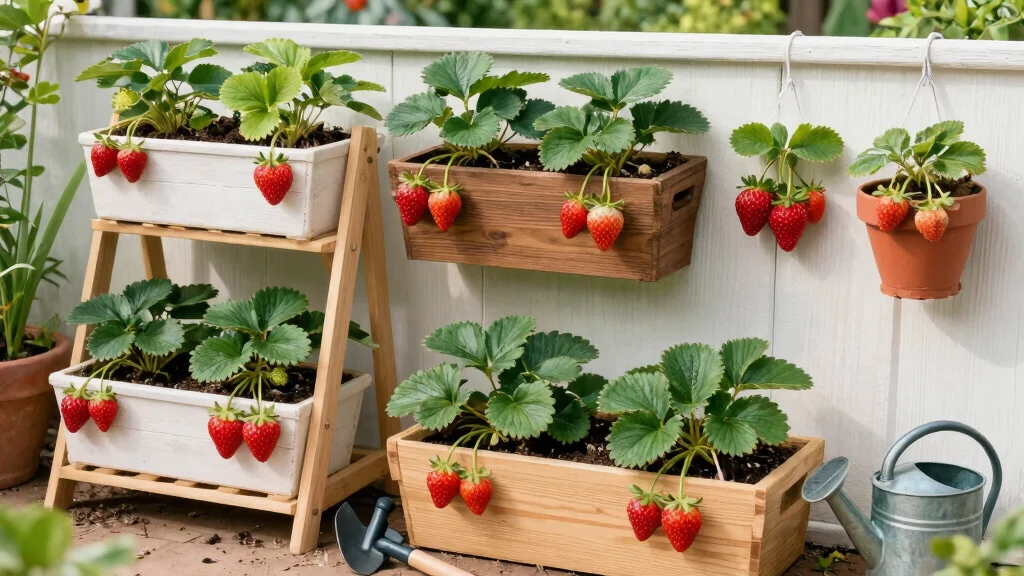
Do you want sweeter strawberries? Combine thyme with your strawberry plants! This aromatic herb not only repels pests like spider mites and aphids but also enriches the flavor of your strawberries, leading to a more delectable harvest. Plant them together in a sunny spot with well-drained soil, and enjoy the benefits that come from their partnership.
Thyme’s low-growing nature acts as a natural mulch, helping to keep weeds at bay and retain moisture for your strawberries. The visual appeal of contrasting heights and colors makes your garden truly stunning.
Companion planting benefits:
– Better pest control for your strawberries.
– Enhanced flavor due to the aromatic presence of thyme.
– A beautiful garden display with contrasting plant heights and colors.
This pairing not only yields delicious fruits but also creates a vibrant garden that delights the senses.
Fun fact: Thyme and strawberries thrive together in herb companion planting, boosting flavor and cutting pests. In a sunny bed, thyme can cut aphids and spider mites by up to 40%. Pair them and taste the sweeter harvest.
Thyme and Strawberries: Sweet Companions
Editor’s Choice

BUZZY Seeds Mini Basin Gardening Kit with Strawberry Seeds for Planting,…
Back to the Roots 100% Organic Mulch, 58 Quart, Expanding Coconut Husk B…

Thyme Seeds Pack 0.5 G – Over 1,350 Non-GMO Heirloom Thyme Seeds for Pla…
6. Oregano and Peppers: Flavor Boosting Duo

Ready to spice up your garden? Growing oregano with peppers is a fantastic choice! Oregano’s robust aroma keeps pesky insects at bay, ensuring your pepper plants thrive. Plus, it adds a wonderful flavor that complements peppers beautifully, making it an ideal pairing for various recipes.
When planting, ensure both herbs receive ample sunlight and space. Oregano prefers drier soil, so be mindful of watering to prevent over-saturation, especially with moisture-loving peppers.
Herb gardening tips:
– Prune oregano regularly to encourage bushier growth.
– Rotate planting each season to maintain soil health.
– Harvest peppers when they’re ripe for the best flavor.
This duo not only enhances your garden’s health but also adds a burst of flavor to your dishes, making every meal unforgettable.
Oregano and Peppers: Flavor Boosting Duo
Editor’s Choice

XLUX Long Probe Deep Use Soil Moisture Meter, Water Monitor Indicator Se…

Organic Common Italian Oregano Seeds – USDA Organic, Non-GMO, Open Polli…

Fiskars Trowel, Heavy Duty Gardening Hand Tool with Hang Hole, For Diggi…
7. Cilantro and Corn: A Thriving Relationship
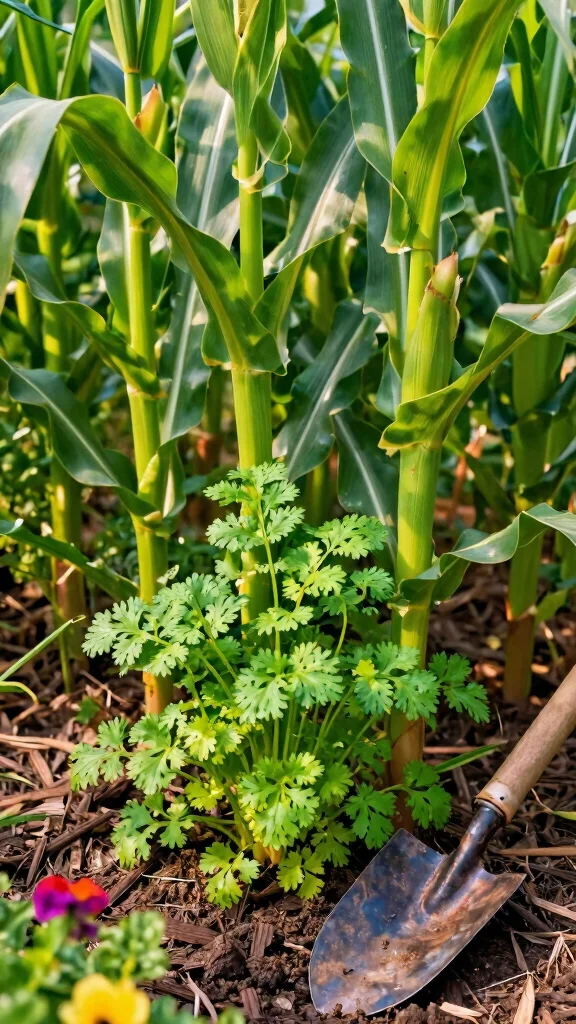
Want to enhance your corn harvest? Plant cilantro nearby! This versatile herb attracts beneficial insects that aid in pollination while naturally deterring pests like corn earworms. Its fragrant presence draws pollinators, resulting in a more fruitful yield.
Corn provides a natural support for cilantro, allowing it to flourish in the shade. Be sure to space your plants appropriately to promote air circulation for healthy growth.
Companion planting benefits:
– Increased pollination of corn due to attracted beneficial insects.
– Natural pest control for corn while enjoying fresh cilantro.
– A visually captivating garden with lofty corn stalks complemented by fragrant cilantro.
This pairing not only benefits your vegetables but also adds excitement and variety to your culinary adventures.
Fun fact: cilantro planted near corn is a savvy herb companion planting move that attracts pollinators and deters earworms—hello, natural pest control. When cilantro enjoys the shade, both herbs thrive and your harvest grows. Give it a try this season.
You Might Also Like
Cilantro and Corn: A Thriving Relationship
Editor’s Choice

HOME GROWN Herb Seeds for Planting 15-Pack Massive Seed Count 4,300+ See…
8. Dill and Cucumbers: A Perfect Pair

Looking for a winning combination in your garden? Dill and cucumbers are a fantastic match! Dill attracts beneficial insects that pollinate cucumber flowers, ensuring a plentiful harvest, while its aromatic properties help deter pests. Plant dill seeds around your cucumbers, allowing them sufficient room to grow and thrive together.
Both plants prefer warm, sunny spots with well-drained soil, making them ideal companions. Regular watering keeps them happy and healthy, ensuring vibrant growth.
Organic gardening techniques:
– Ensure proper spacing between dill and cucumber for optimal growth.
– Regularly water both plants to keep them happy.
– Harvest dill regularly to promote more vigorous growth.
This delightful pairing creates a thriving garden while enhancing the flavors of your dishes, leading to fresh and delicious meals right from your backyard.
Dill and Cucumbers: A Perfect Pair
Editor’s Choice

Set of 43 Assorted Vegetable & Herb Seed Packets – Over 10,000 Seeds! – …
HOME GROWN Herb Seeds for Planting 15-Pack Massive Seed Count 4,300+ See…
Conclusion: Embrace the Power of Herb Companion Planting

By embracing herb companion planting, you’re not just filling your garden with plants—you’re creating a thriving ecosystem that promotes health, vitality, and beauty. From the classic basil and tomato duo to the refreshing combination of dill and cucumbers, the benefits are immense.
These relationships support each other’s growth while deterring pests and enhancing flavors. As you experiment with these pairings, you’ll discover how easy and rewarding it is to cultivate a harmonious garden filled with vibrant herbs and vegetables. Dive into the world of herb companion planting and watch your garden thrive naturally!
Note: We aim to provide accurate product links, but some may occasionally expire or become unavailable. If this happens, please search directly on Amazon for the product or a suitable alternative.
This post contains Amazon affiliate links, meaning we may earn a small commission if you purchase through our links, at no extra cost to you.
Frequently Asked Questions
Question: What is herb companion planting and how can it help my garden thrive naturally?
Herb companion planting is the art of growing complementary herbs together to support one another—plant synergy in action. By pairing herbs that attract beneficial insects, provide natural pest control, and share similar sun and water needs, you create a healthier garden with fewer chemicals. In permaculture terms, it’s a practical way to boost biodiversity and reduce input. To get started: map your beds, group herbs by light and moisture needs, place pest-repelling and pollinator-attracting varieties near vulnerable crops, and keep airflow for maintenance. With organic gardening techniques and careful observation, you’ll see stronger growth, tastier herbs, and fewer pest problems.
Question: Which herb pairings provide the strongest companion planting benefits for a beginner gardener?
Here are beginner-friendly pairings that maximize the plant synergy and herb companion planting benefits:
• basil with tomatoes to enhance flavor and help repel pests;
• dill near cucumbers and carrots to attract hoverflies and other beneficial insects;
• rosemary or thyme around peppers and eggplants for aroma-based pest deterrence;
• garlic and onion family herbs planted near most herbs to help deter aphids and many pests;
• oregano or marjoram with leafy greens like lettuce to encourage growth and attract pollinators. If space is tight, start with one or two of these combos and observe what works in your climate.
Question: How can I start herb companion planting in a small garden or raised bed?
Start with a simple plan: assess sun exposure and water needs for your herbs, then group plants with similar requirements. Draw a mini map that marks a few companion pairs (for example basil next to tomatoes or dill beside cucumbers). Use edges and vertical supports to maximize space, and keep mint in a contained pot to prevent spreading. Plant in mixed beds rather than monocultures to encourage plant synergy and natural pest control. Finish with a light mulch and a splash of compost tea and you’ll be practicing organic gardening techniques in no time.
Question: What are common mistakes to avoid in herb companion planting?
Common mistakes include ignoring companion planting benefits alignment, not matching sun and water needs, planting a sprawling herb like mint in an open bed, overcrowding and blocking airflow, neglecting flowering herbs that attract pollinators, and failing to rotate beds across seasons. Also avoid treating it like a single-species garden; herb companion planting thrives on diversity and thoughtful spacing. For best results, use herb gardening tips and keep organic gardening techniques in mind.
Question: How do I maintain plant synergy and keep the benefits of herb companion planting through the season?
Stay observant and adapt as the season changes. Monitor pests and growth, rotate partners each year, prune herbs to prevent overcrowding, and mulch to regulate moisture. Water at the base to reduce disease risk, and enrich soil with compost or tea. Encourage natural pest control by inviting helpful insects with flowering companions, and keep organic gardening techniques in your routine. With small tweaks—like replacing tired pairings and preparing for succession planting—you’ll maintain strong plant synergy well beyond early summer.
Related Topics
herb companion planting
natural pest control
organic gardening techniques
plant synergy
beginner friendly
permaculture gardening
herb gardening tips
easy companion plants
sustainable gardening
seasonal planting
garden health
edible landscaping