
Creating your own home garden filled with herb plants not only spices up your meals but also fills your space with delightful fragrances. If you’ve been looking to enhance your indoor gardening game or simply want to bring a bit of nature into your cooking, you’re in the right place. This post is all about the essential herb plants every home garden should have, focusing on culinary and fragrant varieties that thrive in small spaces.
If you love cooking or appreciate fresh aromas in your home, this guide is tailored for you. Whether you’re new to gardening or a seasoned green thumb, you’ll find useful tips that make growing herbs at home simple and rewarding. I’ve gathered the top eight herb plants, each with its unique flavor and scent, to inspire you to start or expand your herb garden. From the bold taste of basil to the refreshing touch of mint, these plants will elevate your culinary creations and create a pleasant atmosphere in your space.
By the end of this article, you’ll not only know which herbs to plant but also how to care for them. You’ll gain practical insights into indoor herb gardening, ensuring your plants flourish and enrich your cooking. Get ready to transform your kitchen and home with these aromatic wonders!
Key Takeaways
– Discover the top 8 herb plants essential for cooking and fragrance in your home garden.
– Learn about the unique flavors and uses of popular culinary herbs like basil, mint, and rosemary.
– Find tips for growing herbs at home, making it easy even in small spaces.
– Get practical herb care tips to ensure your plants stay healthy and vibrant.
– Experience the joy of indoor herb gardening by incorporating these fragrant plants into your everyday life.
1. Basil: The Culinary Superstar
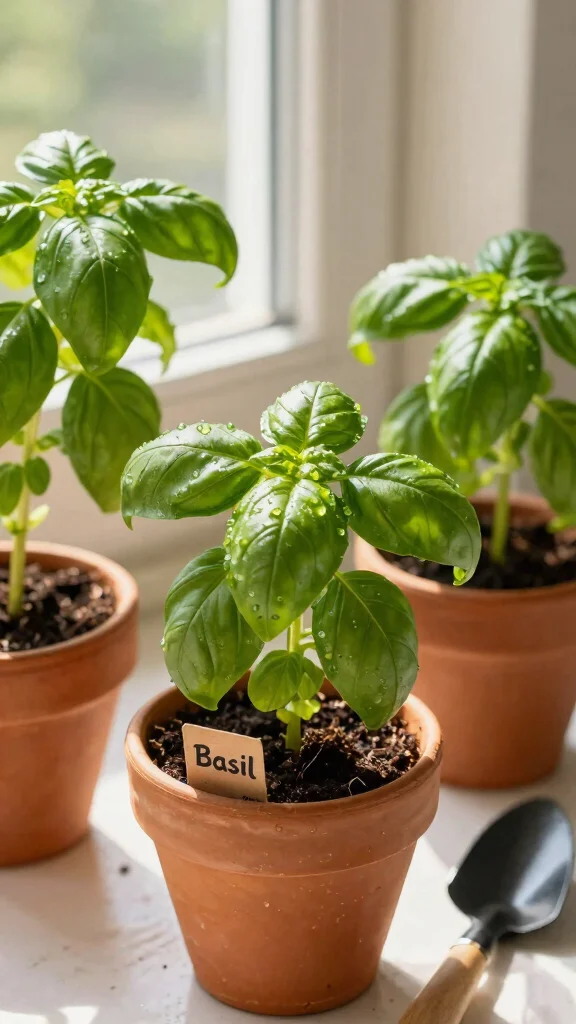
Are you ready to elevate your cooking with a burst of flavor? Basil is your go-to herb, beloved for its vibrant green leaves and delightful aroma. This culinary superstar enhances everything from salads to sauces and even cocktails, making it a must-have in your kitchen garden.
Growing basil is a joy, as its frequent snipping encourages bountiful harvests. It thrives in warm temperatures with plenty of sunlight, and with proper care, you’ll have fresh basil at your fingertips all season long. Keep the soil moist but not soggy, and regularly pinch off flowers to promote bushier growth.
For a flourishing basil plant:
– Ensure it gets at least 6 hours of sunlight daily.
– Fertilize every month to boost growth.
– Harvest regularly to keep the plant vigorous and prevent bolting.
With basil in your garden, you can whip up fresh pesto, Caprese salad, and fragrant pasta dishes with ease!
Basil: The Culinary Superstar
Editor’s Choice

T4U 4 Pack 6 Inch Self Watering Pots – Water Level Indicator & Deep Rese…

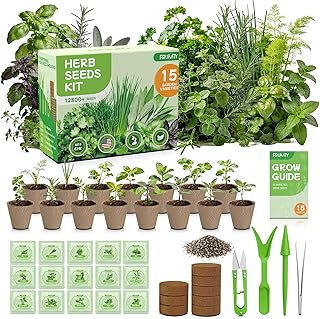
Herb Garden Starter Kit – Fruivity 12800+ 15 in 1 Herb Heirloom Seed K…

Seedboy 250 Organic Basil Seeds for Planting Indoor and Outdoor, Non-GMO…
2. Mint: Freshness in Every Leaf

Craving a refreshing twist for your dishes? Mint is the herb that brings a cool burst of flavor to everything from drinks to desserts. Its uplifting aroma makes it a popular choice for teas, mojitos, and salads, adding a delightful zing to your culinary creations.
Mint grows vigorously, making it a fantastic addition to your garden, but be cautious—it can take over if not contained. Planting it in a pot helps control its growth while it thrives in slightly moist soil and partial sunlight, perfect for both indoor and outdoor gardening.
To care for mint:
– Water regularly, ensuring good drainage.
– Trim the plant to encourage bushy growth and prevent it from getting leggy.
– Keep it shaded during the hottest part of the day to maintain its vibrant leaves.
Imagine having fresh mint ready for tea or a refreshing summer beverage; it’s a delightful experience!
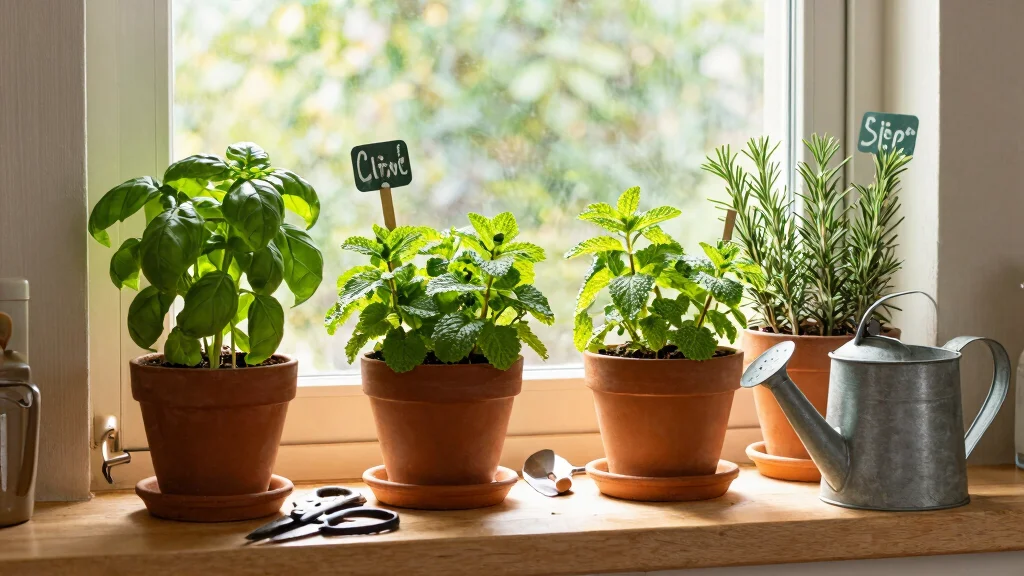
Mint in a pot is your tiny, turbo-powered herb plants ally—fresh flavor on demand. In small spaces, that cool burst in teas, mojitos, and salads is always within reach. Trim regularly to keep it contained and thriving.
Mint: Freshness in Every Leaf
Editor’s Choice
Herb Garden Starter Kit – Fruivity 12800+ 15 in 1 Herb Heirloom Seed K…

Barnyard Designs Indoor Herb Garden Planter Set with Tray, Metal Windows…

Burpee, 9 Quarts | Premium Organic Potting Natural Soil Mix Food Ideal f…
3. Rosemary: The Aromatic Gem

Looking to add a touch of the Mediterranean to your kitchen? Rosemary is the aromatic gem you need, offering a woodsy flavor that enhances roasted meats, potatoes, and breads. Its needle-like leaves are rich in essential oils, filling your space with a delightful fragrance.
This hardy herb loves full sun and well-drained soil, making it perfect for indoor gardening. With a bit of pruning, rosemary can stay healthy and compact, providing you with fresh sprigs for years to come.
Here’s how to nurture your rosemary:
– Water when the top inch of soil is dry, but avoid overwatering.
– Pinch off sprigs for cooking to keep the plant healthy and encourage new growth.
– Provide support if it’s in a pot, as rosemary can become quite bushy.
With rosemary in your garden, you’ll elevate your meals with its aromatic and flavorful touch!
Fun fact: A single rosemary plant can perfume your kitchen for up to 6 weeks after harvest. Regular pruning keeps it compact and productive for years, giving you fresh sprigs for roasting potatoes, meats, and breads whenever you cook.
Rosemary: The Aromatic Gem
Editor’s Choice

Ahopegarden Indoor Garden Hydroponics Growing System: 10 Pods Plant Germ…

Fiskars Bypass Pruning Shears, 5/8″ Cut Capacity Gardening Scissors, Sel…

Utopia Home Plant Pots Indoor with Drainage Holes – Set of 5 White Pla…
4. Thyme: The Versatile Herb

Want to enhance your dishes with a subtle yet powerful flavor? Thyme is the versatile herb that effortlessly elevates soups, stews, and roasted vegetables. Its earthy taste is a favorite among both novice and experienced cooks, and it’s incredibly easy to grow.
This herb thrives in full sun and prefers well-drained soil, making it suitable for indoor or outdoor planting. Thyme requires minimal care, and allowing it to dry out between waterings is key to its success.
Care tips for thyme include:
– Ensure it gets at least 6 hours of sunlight each day.
– Harvest leaves regularly to encourage bushy growth.
– Avoid overwatering; thyme is drought-tolerant once established.
With thyme in your kitchen, you’ll enjoy rich, earthy flavors that enhance your meals effortlessly!
📹 Related Video: Thyme: How to Grow & Use This Amazing Herb (COMPLETE GUIDE)
You might also like

Thyme: The Versatile Herb
Editor’s Choice

Thyme Seeds Pack 0.5 G – Over 1,350 Non-GMO Heirloom Thyme Seeds for Pla…

T4U 6 Inch Self Watering Pots for Indoor Plants – Mess-Free Bottom Water…
Ahopegarden Indoor Garden Hydroponics Growing System: 10 Pods Plant Germ…
5. Cilantro: The Bold Flavor Booster

Looking to add a punch of flavor to your dishes? Cilantro is an essential herb known for its bold taste and unique aroma, perfect for enhancing salsas, curries, and salads. This fast-growing herb is ideal for anyone eager to infuse vibrant flavors into their cooking.
Cilantro thrives in cooler weather, so if you’re planting in the summer, opt for varieties suited for warmth. It flourishes in well-drained soil and needs ample sunlight but can bolt quickly if exposed to excessive heat.
For growing cilantro:
– Keep the soil consistently moist but not soggy.
– Harvest leaves frequently to promote new growth and prevent bolting.
– If it bolts, save the seeds for future planting.
Having fresh cilantro on hand can transform your meals, bringing a burst of aromatic flavor that’s absolutely satisfying!
Cilantro is the punch-your-dish herb that cooks reach for—just a pinch elevates salsa, curry, or salad with bold, fresh aroma. Harvest regularly to avoid bolting, give it bright sun and well-drained soil, and watch small-space gardens thrive.
Ongoing Maintenance & Care Guide
Maintenance Schedule:
Daily/Weekly Tasks:
– Check soil moisture levels. Ensure your herbs receive enough water without becoming soggy. This takes about 5 minutes.
– Remove any dead or yellowing leaves. This keeps your plants healthy and encourages new growth. Spend around 10 minutes on this task.
– Rotate pots if your herbs are indoors. This helps them grow evenly by getting sunlight on all sides. Plan for just 5 minutes.
Monthly/Seasonal Tasks:
– Fertilize your herbs with a balanced, water-soluble fertilizer. This is especially important during the growing season. Expect to spend about 15 minutes on this task.
– Prune your herbs to encourage bushy growth. Trim back about one-third of the plant, focusing on stems and leaves. Allocate around 20 minutes to this essential task.
– Clean pots and trays to prevent pests and disease. A simple rinse with mild soap and water will do. This will take about 10 minutes.
– Re-pot any herbs that have outgrown their containers, especially during spring. This ensures they have enough space to thrive. Set aside about 30 minutes for this task.
Maintenance Summary Table:
| Task | Frequency | Difficulty | Time Needed |
|————————–|——————|—————-|————–|
| Check soil moisture | Daily/Weekly | Easy | 5 minutes |
| Remove dead leaves | Daily/Weekly | Easy | 10 minutes |
| Rotate pots | Daily/Weekly | Very Easy | 5 minutes |
| Fertilize | Monthly | Moderate | 15 minutes |
| Prune | Monthly | Moderate | 20 minutes |
| Clean pots and trays | Monthly | Easy | 10 minutes |
| Re-pot | Seasonal | Moderate | 30 minutes |
Common Issues to Watch For:
⚠️ Yellowing leaves: This can indicate overwatering or underwatering. Check the soil moisture and adjust your watering schedule accordingly.
⚠️ Wilting plants: This usually means your herbs need more water. Check the soil and give them a good drink if it feels dry.
⚠️ Pests like aphids or spider mites: Look for tiny insects on the leaves. If you see them, remove by washing them off with water or using insecticidal soap.
⚠️ Stunted growth: This can signal nutrient deficiencies. Make sure you’re fertilizing regularly.
⚠️ Brown leaf edges: This often means the air is too dry or the herb is not getting enough water. Increase humidity or adjust your watering routine.
Care Tips:
💡 Water wisely: Herbs generally prefer to dry out between watering. Check the top inch of the soil. If it feels dry, it’s time to water.
💡 Provide adequate sunlight: Most culinary herbs need 6-8 hours of sunlight daily. If indoors, place them near a south-facing window or consider using a grow light.
💡 Use good quality soil: A well-draining potting mix is vital to prevent root rot. Look for mixes specifically designed for herbs or vegetables.
💡 Keep an eye on pests: Regularly inspect your plants. Early intervention can save your herbs from infestations. If you spot pests, treat them quickly.
💡 Harvest regularly: Snipping off leaves will encourage new growth. Take leaves as needed, but avoid removing more than one-third of the plant at a time to ensure it remains healthy.
Following these maintenance and care tips will help your herb plants flourish, providing fresh flavors and delightful aromas for your kitchen. Enjoy the process of nurturing your garden and the rewards it brings to your cooking!
Cilantro: The Bold Flavor Booster
Editor’s Choice

Badia Coriander Seeds Whole, 12 oz – Bright, Citrusy & Slightly Peppery …
Burpee, 9 Quarts | Premium Organic Potting Natural Soil Mix Food Ideal f…

T4U 4 Inch Plant Pots 8-Pack, Small Flower Pots with Drainage Hole and S…
6. Chives: The Mild Flavor Enhancer

Do you want a gentle touch of flavor in your dishes? Chives are the friendly neighbor of the herb world, offering a mild onion flavor that subtly enhances soups, salads, and baked potatoes without overpowering them. Their bright green, tubular leaves add a lovely pop of color to your meals.
Chives are easy to grow both indoors and outdoors. They thrive in well-drained soil and need just a few hours of sunlight each day, making them perfect for small spaces.
Care tips for chives:
– Water when the soil feels dry to the touch.
– Trim back the leaves to encourage bushy growth.
– Use scissors for an effortless harvest.
With chives in your home garden, you can enjoy vibrant flavor and beauty in your meals year-round!
Chives: The Mild Flavor Enhancer
Editor’s Choice

The Old Farmer’s Almanac Heirloom Organic Chive Seeds – Approx 250 Seeds

HOME GROWN Herb Garden Planter Indoor Kit – Unique Christmas Gift for …

vensovo 6 Inch Terracotta & Clay Pots for Plant with Saucer – 4 Pack Med…
7. Oregano: The Italian Classic

Craving the taste of Italy in your kitchen? Oregano is a staple herb known for its robust flavor, perfect for pizzas, pastas, and marinades. This easy-to-grow herb makes it an excellent choice for both beginners and experienced gardeners.
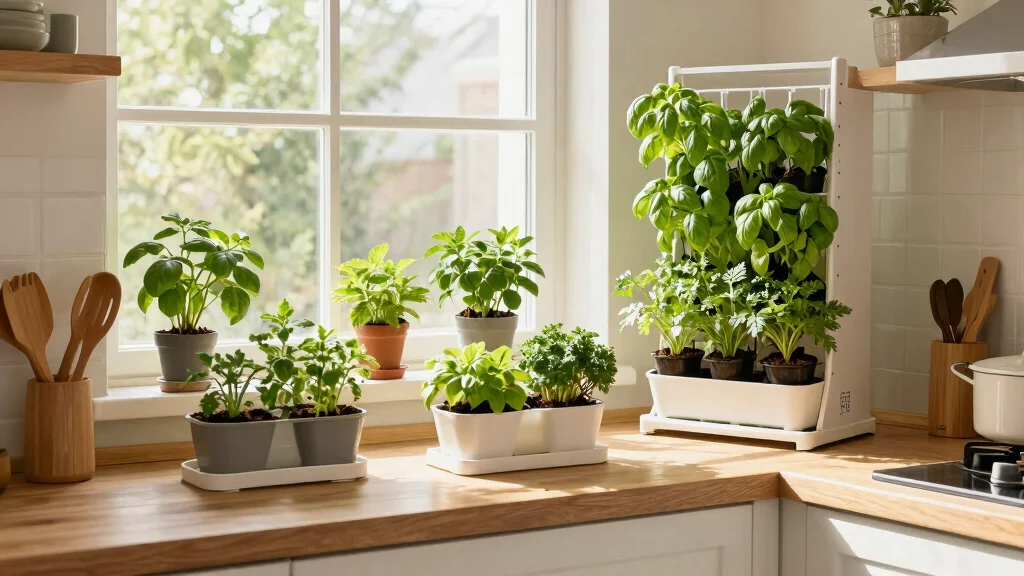
Oregano thrives in full sunlight and well-drained, dry soil, so if you’re growing it indoors, find a sunny windowsill. Regular pruning helps maintain its shape and encourages bushier growth rather than becoming tall and leggy.
Growing oregano tips include:
– Water sparingly; oregano prefers drier conditions.
– Use it fresh or dry for later use; it retains flavor beautifully.
– Harvest leaves regularly to promote new growth.
With oregano in your garden, your Italian nights will be filled with flavorful and fragrant creations!
You Might Also Like
Oregano: The Italian Classic
Editor’s Choice
HOME GROWN Herb Garden Planter Indoor Kit – Unique Christmas Gift for …

Organic Common Italian Oregano Seeds – USDA Organic, Non-GMO, Open Polli…

8/10/12 Inch Self Watering Pots for Indoor/Outdoor Plants – Large Plasti…
8. Dill: The Fragrant Favorite

Want to add an aromatic touch to your dishes? Dill is one of the most fragrant herbs you can grow! Its feathery leaves and distinct flavor are perfect for pickling, salads, and fish dishes. Dill not only enhances your meals but also attracts beneficial insects that help your garden thrive.
This herb loves full sun but can tolerate partial shade. It requires slightly rich soil and regular watering without being waterlogged. Dill tends to grow tall, so if space is limited, pinching it back encourages bushier growth.
Care tips for dill:
– Water consistently, keeping the soil moist but well-drained.
– Harvest often to maintain productivity; fresh dill elevates any dish!
– Give it space to flourish without overcrowding.
With dill in your garden, you can expect wonderful aromas and flavors that will enhance your culinary creations!
Dill: The Fragrant Favorite
Editor’s Choice

Seed Needs Herb Seeds Variety Pack Culinary Herb Collection (12 Individu…

Herb Plant Food – Liquid Fertilizer for All Edible Herbs, Supports Fas…

Barnyard Designs Indoor Herb Garden Planter Set with Tray, Metal Windows…
Conclusion
Incorporating these eight herb plants into your home garden is not just about flavor; it’s about creating a fragrant haven that enhances your cooking and livens up your home.
From the robustness of rosemary to the freshness of mint, each herb offers something unique to your culinary creations. So whether you’re a seasoned gardener or just starting, these herbs are perfect companions for your small space gardening journey. Happy gardening and cooking!
Note: We aim to provide accurate product links, but some may occasionally expire or become unavailable. If this happens, please search directly on Amazon for the product or a suitable alternative.
This post contains Amazon affiliate links, meaning we may earn a small commission if you purchase through our links, at no extra cost to you.
Frequently Asked Questions
Question: Which herb plants are essential for a small-space cooking and fragrance garden?
The article highlights eight versatile herb plants perfect for small spaces, offering both culinary herbs and fragrant herbs in one compact setup: basil, mint, rosemary, thyme, oregano, parsley, cilantro (coriander), and chives.
Tips: use well-draining pots, place them where they get 6-8 hours of sun, and rotate containers so every plant gets light. For indoor herb gardening, consider a sunny window or a small grow light to keep them thriving. Harvest regularly to encourage growth and keep plants productive for growing herbs at home throughout the season.
Question: How can I grow herb plants indoors with limited sunlight?
For indoor herb gardening, opt for herbs that tolerate lower light and supplement with a grow light if needed. Place pots on a bright windowsill or under a 4-6 hour daily light schedule; rotate weekly. Use a high-quality potting mix with good drainage, and ensure containers have drainage holes. Water when the top inch of soil feels dry to prevent root rot. Mist occasionally for humidity, especially in dry homes. Regular pruning and harvesting keep plants bushy and productive, making it easy to enjoy fresh culinary herbs and fragrant herbs even without full sun. This ties to growing herbs at home.
Question: What are best practices for caring for herb plants to keep them productive for cooking?
Consistency is key. Harvest leaves in the morning after dew dries to capture peak flavor; pinch back growing tips to promote bushier plants. Feed lightly with a balanced fertilizer every 4-6 weeks during the growing season. Keep an eye out for pests—wipe leaves with a mild soap solution if needed. Ensure good air circulation to prevent fungal issues. Bring potted herbs indoors before frost to keep indoor herb gardening going year-round. With proper herb care tips, your herb plants stay productive for cooking all season.
Question: How do I harvest and use fragrant herbs to maximize flavor in dishes?
Harvest through the day schedule; best to pick in the morning after the dew dries. Cut above a node to encourage branching, and use fresh leaves for cooking or to infuse oils and vinegars for fragrance. To preserve flavor, dry bunches in a warm, dark spot or freeze chopped leaves in ice cube trays with a little water or oil. Store dried herbs in airtight containers away from light. Crush or rub leaves gently to release fragrance just before cooking. Keeping the herb garden near the kitchen encourages experimentation with both culinary herbs and fragrant herbs in your recipes.
Question: Can I start an indoor herb garden on a budget and what beginner-friendly container ideas work best?
Absolutely. Start with a few starter herbs and reuse containers you already have—glass jars, tin cans (with drainage holes), or small pots from thrift stores. For space, try compact planters or a simple vertical shelf with small pots. Use affordable, well-draining potting mix and avoid heavy, expensive setups. You can buy seeds or starter plants at a local nursery; seed germination is cheaper, and you’ll learn more about growing herbs at home. Group herbs by sun needs on a sunny windowsill to maximize light, and water carefully to prevent waste. With a little creativity, you’ll have an attractive, budget-friendly indoor herb garden that covers both culinary herbs and fragrant herbs.
Related Topics
culinary herbs
fragrant herbs
indoor herb gardening
growing herbs
herb care tips
small space gardening
easy gardening
home gardening
herb plants
beginner friendly
aromatic plants
seasonal herbs