
Growing your own herbs can be one of the most rewarding and flavorful experiences in gardening. Yet, many of us face the challenge of limited space. You might be dreaming of fresh basil, mint, or rosemary, but your garden isn’t exactly sprawling. That’s why I created this post on herb towers. These vertical gardening solutions can help you pack more plants into tighter spots, allowing you to cultivate your herb garden design without sacrificing space.
If you’re someone who loves gardening but struggles with limited room, then this post is just for you. Whether you live in an apartment with a tiny balcony or a house with a small yard, these herb tower ideas will inspire you to think outside the box—literally! You’ll discover various ways to maximize your container gardening efforts, creating a lush indoor herb garden or a vibrant outdoor space that’s bursting with flavor.
In this guide, you’ll find seven creative herb tower ideas that are easy to implement and highly effective. Each suggestion is designed to help you grow herbs efficiently while adding a touch of beauty to your garden. By the end, you’ll be ready to transform that cramped corner into a thriving herb oasis—perfect for cooking, garnishing, or just enjoying the beauty of nature.
Key Takeaways
– Learn how herb towers can fit into small spaces and maximize your gardening potential.
– Discover seven innovative ideas, from stacked planters to wall-mounted options, that suit various tastes and styles.
– Get practical tips on how to build your own herb towers using materials you may already have at home.
– Find inspiration for creating both indoor and outdoor herb gardens that flourish in limited areas.
– Understand how to select the best herbs for your vertical gardening projects to ensure a bountiful harvest.
1. Stacked Vertical Planters

Are you looking to maximize your gardening space while keeping things stylish? Stacked vertical planters are the perfect solution! These multi-tiered designs let you grow an array of herbs, adding beauty and functionality to your garden. Not only do they allow for efficient use of space, but they also make it easy to access fresh herbs right at your fingertips. Plus, they come in various materials like wood or ceramic, letting you personalize your garden aesthetic. Herbs like parsley, cilantro, and mint flourish in this setup, making it an ideal choice for flavorful cooking. Ensure your planters have drainage holes to prevent water build-up, and consider placing a tray underneath to catch excess. Regular watering and occasional fertilization will keep your herbs thriving. Don’t forget to check for pests and prune as needed for bushier growth. Benefits of stacked vertical planters: – Efficient use of space – Customizable designs – Easy access to herbs for cooking – Attractive garden aesthetics.
Stacked Vertical Planters
Editor’s Choice

GameXcel Vertical Planter Tower – 5 Tier Stackable Garden Planters with …


Fertilizer for Herbs Happy Herb Organic Fertilizer by Happy Nutrients ��…
2. Wall-Mounted Herb Towers

Short on floor space but still want to grow fresh herbs? Wall-mounted herb towers are an elegant way to add greenery to your home or garden. These space-saving systems can be hung on kitchen walls or outdoor fences, creating a stunning focal point. You can use wall-mounted containers or even repurpose wooden pallets for a unique herb garden. This setup allows you to stack containers vertically, saving space while making a bold statement. Herbs like chives, basil, and rosemary thrive here, offering fresh flavors right at your fingertips. Position your tower in a well-lit area to ensure your herbs get enough sunlight. Remember to water regularly and check for drainage to prevent soggy roots. Advantages of wall-mounted towers: – Space-saving design – Decorative element in home decor – Convenient for indoor herb gardens – Can be customized to fit your style.
Did you know that wall-mounted herb towers can triple your growing area in the same footprint? By stacking containers, you can harvest chives, basil, and rosemary right from the wall—saving floor space and boosting fresh herbs at your fingertips.
📹 Related Video: This Garden Grows Veggies Year-Round | Gardyn Review
Wall-Mounted Herb Towers
Editor’s Choice

Dahey 10.5 Inch Metal Iron Hanging Flower Pots for Railing Fence Hanging…
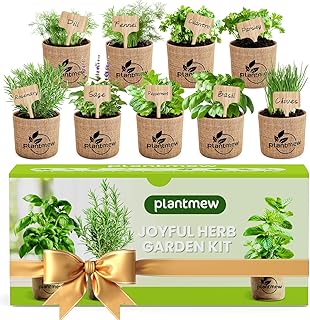
Gift for Women, Mom, Her – 9 Herb Indoor Window Garden Kit | Complete …

Furinno 2-FG16450 Tioman Hardwood Flower Box, Two-Pack, Natural
3. Tiered Wooden Herb Towers

Looking to add charm and functionality to your garden? Tiered wooden herb towers are not only practical but also enhance your outdoor decor. Crafted from treated wood, these towers feature multiple tiers that accommodate various herbs beautifully. Their rustic design appeals to gardeners who appreciate natural aesthetics. Plant herbs like thyme, sage, and dill, which thrive in these setups thanks to excellent airflow and drainage. Position your tower in a sunny spot, ensuring each tier has drainage holes. Frequent watering is key, especially in warm weather, as herbs in raised platforms can dry out quickly. For a personal touch, consider building your own tiered tower with reclaimed wood for sustainability. Perks of tiered wooden towers: – Aesthetic appeal – Natural materials blend well with gardens – Easy to maintain – Ideal for various herb types.
Key Trade-offs & Our Top Pick
Stacked Vertical Planters
– Pros:
– Maximize vertical space by stacking multiple tiers.
– Easy to access with minimal bending or reaching.
– Cons:
– May require constant watering due to faster drainage.
– Limited growing depth for root systems.
– Best for: Small patios or balconies where space is at a premium.
Wall-Mounted Herb Towers
– Pros:
– Free up ground space by utilizing walls.
– Attractive display that can act as wall art.
– Cons:
– Needs secure mounting to prevent damage.
– May limit sun exposure depending on location.
– Best for: Indoor spaces or areas with limited ground space but ample wall area.
Tiered Wooden Herb Towers
– Pros:
– Natural look that blends well with outdoor gardens.
– Can hold a variety of herbs across different levels.
– Cons:
– Wood may require treatment to resist weathering.
– Heavier and less portable than plastic options.
– Best for: Traditional garden aesthetics in backyards or larger outdoor spaces.
Indoor Herb Tower Solutions
– Pros:
– Perfect for year-round herb gardening regardless of outdoor conditions.
– Often includes built-in lighting for optimal growth.
– Cons:
– Higher initial investment for specialized equipment.
– Requires regular monitoring of light and humidity levels.
– Best for: Apartment dwellers who want fresh herbs within reach all year.
Recycled Material Herb Towers
– Pros:
– Eco-friendly option that utilizes waste materials.
– Budget-friendly as many items can be sourced for free.
– Cons:
– May lack durability or aesthetic appeal compared to new materials.
– Potential difficulty in maintaining consistent moisture levels.
– Best for: Gardeners who are environmentally conscious and enjoy DIY projects.
Aromatic Herb Spiral Towers
– Pros:
– Unique design allows for a variety of herbs at different heights.
– Aesthetically pleasing and can attract beneficial insects.
– Cons:
– Requires more space than flat designs.
– More complex to build and maintain.
– Best for: Experienced gardeners looking to create a visually striking herb garden.
Smart Herb Garden Towers
– Pros:
– Features technology to monitor plant health and water levels.
– Simplifies indoor gardening with automated systems.
– Cons:
– Generally more expensive than traditional options.
– Dependence on technology may be limiting if the system fails.
– Best for: Tech-savvy individuals who want an easy gardening experience.
Best Overall: Stacked Vertical Planters
The stacked vertical planters stand out as the top choice for most gardeners. They offer excellent value for money, providing ample growing space while being easy to use. You can grow a variety of herbs, making them versatile for any small garden setting. Their durability ensures they will last through multiple planting seasons.
Why We Picked This:
While stacked vertical planters are our top pick, some gardeners may prefer wall-mounted options for their decorative appeal or indoor solutions for year-round growth. Each choice has its own benefits, making it crucial to align your gardening needs with the right herb tower design. Whether you want to beautify your space, save room, or grow herbs indoors, there’s a perfect option for you.
Tiered Wooden Herb Towers
Editor’s Choice

Baotree 5 Tiers Vertical Wooden Raised Garden Bed, Tiered Standing Garde…

Sereniseed Certified Organic Herb Seeds (10-Pack) – Non GMO, Heirloom …
4. Indoor Herb Tower Solutions

Want fresh herbs in your kitchen without taking up precious counter space? Indoor herb tower solutions are compact and perfect for small areas, allowing you to enjoy fresh flavors even in winter. Look for hydroponic systems or small container gardens specifically designed for indoor use. These setups provide the right light and moisture for herbs to flourish. Basil, mint, and oregano are excellent choices for indoor gardening. Using LED grow lights can give your herbs the boost they need in darker areas. Regular watering and occasional fertilization will help keep your herbs healthy. Benefits of indoor herb towers: – Fresh herbs year-round – Minimal space required – Great for kitchens or dining areas – Easy to set up and maintain.
You might also like


Indoor Herb Tower Solutions
Editor’s Choice

URUQ Hydroponics Growing System Garden: 8 Pods Indoor Herb Garden with G…
GameXcel Vertical Planter Tower – 5 Tier Stackable Garden Planters with …

Aokrean Plant Grow Light, 48 LEDs Full Spectrum Grow Lights for Indoor P…
5. Recycled Material Herb Towers

Get creative with your gardening by exploring recycled material herb towers. Transform old pallets, plastic bottles, or wooden crates into eco-friendly herb planters that not only save space but also reduce waste. Recycling materials adds a personal touch to your garden and can be a fun DIY project. Consider using wooden pallets for vertical planters or cutting plastic bottles in half for unique herb pockets. Herbs like parsley, cilantro, and chives adapt well to these creative setups. Ensure that any materials used are food-safe, especially plastics, and drill drainage holes to prevent waterlogging. Advantages of using recycled materials: – Eco-friendly approach – Cost-effective – Personalized and unique design – Great conversation starters in any garden.
Fun fact: A herb tower made from recycled pallets and cut plastic bottles turns waste into flavor on a balcony. It saves space, reduces clutter, and lets you grow parsley, cilantro, and chives in compact pockets.
Recycled Material Herb Towers
Editor’s Choice

Treaton, Heavy-Duty 4-Way Entry Wooden Pallet – 40x36x5”, Industrial…

Teenyyou 6 Pcs Green Glass Bottles 1 L/ 33.75 oz Decorative Wine Bottles…
6. Aromatic Herb Spiral Towers

Create a stunning and functional garden feature with an aromatic herb spiral tower. This innovative design maximizes space while allowing different herbs to thrive in varying microclimates. With this spiral setup, you can plant herbs that prefer different conditions, like drought-resistant rosemary at the top and moisture-loving mint at the base. To build your herb spiral, use stones or bricks to create a spiral shape, fill it with soil, and plant your herbs. Regular watering and a layer of mulch will help maintain moisture as your herbs grow. Benefits of aromatic herb spiral towers: – Unique, eye-catching design – Microclimate benefits for diverse herbs – Space-efficient – Sustainable gardening practice.
Fun fact: a well-built herb tower can boost yields per square foot by up to 3x. An aromatic herb spiral tower maximizes space and creates microclimates—rosemary at the top, mint at the base—for a thriving, low-effort harvest.
You Might Also Like


Aromatic Herb Spiral Towers
Editor’s Choice

Burpee, 9 Quarts | Premium Organic Potting Natural Soil Mix Food Ideal f…

FANTIAN 20 lbs Large River Rocks for Outdoor Landscaping, 3-4 Inch Decor…

PMU 2 Gallon Watering Can – Garden Watering Can for Indoor & Outdoor Pla…
7. Smart Herb Garden Towers

Embrace the future of gardening with smart herb garden towers that simplify the herb-growing process. These advanced systems come equipped with self-watering features, app connectivity, and grow lights, making indoor gardening effortless. Perfect for busy lifestyles, smart garden towers help maintain your herbs by providing reminders for watering and nutrient levels. You can grow herbs like basil, parsley, and thyme in these controlled environments, ensuring you always have fresh herbs at your disposal. When selecting a model, choose one that fits your space and includes the features you need for optimal growth. Advantages of smart herb garden towers: – Low maintenance – User-friendly technology – Consistent growth conditions – Perfect for beginners or busy lifestyles.
Smart Herb Garden Towers
Editor’s Choice

Liquid Plant Food for use in AeroGarden, IDOO and Hydroponic Growing Sys…
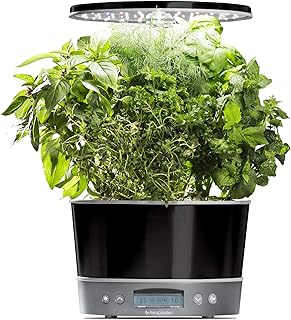
AeroGarden Harvest Elite 360 Indoor Garden Hydroponic System with LED Gr…
Aokrean Plant Grow Light, 48 LEDs Full Spectrum Grow Lights for Indoor P…
Conclusion
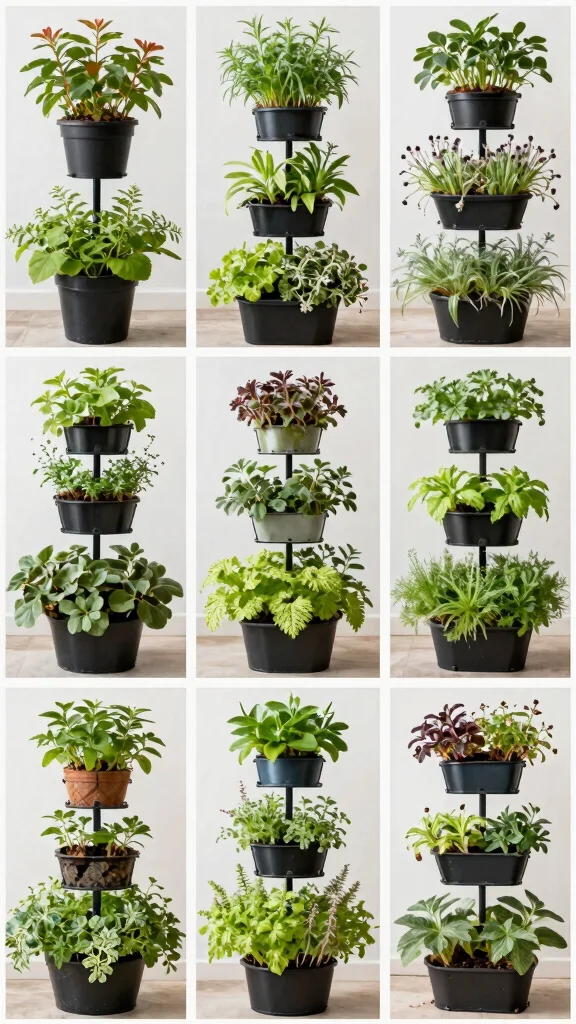
Herb towers offer an amazing way to maximize your gardening potential, turning any small space into a flourishing herb sanctuary.
From tiered wooden structures to smart garden solutions, the possibilities are endless. Whether you’re an experienced gardener or just starting, these ideas make growing herbs accessible and enjoyable.
So, roll up your sleeves and transform your gardening dreams into reality with these innovative herb tower ideas!
Note: We aim to provide accurate product links, but some may occasionally expire or become unavailable. If this happens, please search directly on Amazon for the product or a suitable alternative.
This post contains Amazon affiliate links, meaning we may earn a small commission if you purchase through our links, at no extra cost to you.
Frequently Asked Questions
What exactly is a herb tower and why is it a top pick for space-saving gardening?
A herb tower is a vertical, multi-tiered system that stacks herbs in layers, letting you grow more in less space. With vertical gardening, you maximize sun exposure and keep herbs within easy reach for harvest. For space-saving gardening, this setup turns unused vertical real estate into a productive herb garden design on balconies or indoors. To get started: choose a tall, sturdy container or stackable pots with good drainage; add a simple watering method (drip or self-watering wick) so each tier stays evenly moist; group herbs with similar water needs; plant from top to bottom so sun reaches every tier; and keep mint in its own contained area to prevent spreading.
Tip: place your tower near a bright window or under grow lights for a thriving indoor herb garden.
Which herbs thrive in a herb tower and how should I arrange them in a herb garden design?
Most culinary herbs do well in a herb tower, including basil, thyme, oregano, parsley, chives, cilantro, and mint when contained. Arrange by light and water needs: top tier for sun-loving, fast-growing varieties (basil); middle for moderate water and sun (oregano, thyme); bottom or inner compartments for low-water or trailing herbs (parsley, chives). Space roots and provide drainage; keep mint isolated to prevent spreading. In a thoughtful herb garden design, group herbs with similar care and leave room for air circulation.
Pro tip: rotate herbs seasonally to prevent disease and harvest regularly to encourage bushier growth.
How can I build a simple herb tower at home for an indoor herb garden?
Start with a stackable, scalable system: use tiered pots, a sturdy cylinder, or repurpose a vertical planter. Ensure each tier has drainage and enough soil for shallow roots. Fill with a light, well-draining mix and plant herbs with similar light needs. For indoor use, place your tower near the brightest window or add grow lights. Water consistently so the top tiers don’t dry out; a drip tray or capillary mat helps manage moisture. Choose compact sizes and keep mint in a separate container within the tower if needed. Regular pruning and harvesting keep growth vigorous.
Tip: consider a self-watering option or a simple wick system to reduce daily upkeep and keep your indoor herb garden thriving.
What maintenance tips keep my herb tower healthy and productive in a vertical gardening setup?
Watering is the key—keep the soil evenly moist but not waterlogged; check drainage after rain or heavy watering and adjust. Prune regularly to encourage bushy growth and prevent legginess; harvest herbs often to keep plants productive. Fertilize lightly with a balanced, water-soluble fertilizer every few weeks during peak growth. Inspect for pests, wipe dusty leaves, and rotate herbs to prevent disease. Refresh soil between seasons if needed and consider a light mulch to improve moisture retention.
Quick checklist: sun exposure, water schedule, pruning, feeding, pest monitoring, harvest timing.
Can I use a herb tower outdoors in small spaces, and what design mistakes should I avoid?
Absolutely—an outdoor herb tower is a fantastic space-saving solution for balconies, patios, and tiny yards. Choose a weather-resistant container, ensure good drainage, and place where it will receive adequate sun. Avoid common mistakes like overwatering in rainy weather, stacking too tall without stable support, or using heavy pots that tip in wind. Don’t crowd layers; give each herb room to grow and ensure airflow to prevent mildew. Also avoid placing the tower where storms or heavy rain can flood it; a simple windbreak or anchoring helps. Regularly check for pests and use companion planting ideas to maximize yields.
Pro-tip: add a drip irrigation line for consistent watering and extend your harvest season with cold-hardy varieties in cooler climates.
Related Topics
herb tower
vertical gardening
space-saving gardening
container gardening
indoor herb garden
herb garden design
easy gardening
small space gardening
urban gardening
beginner friendly
DIY herb garden
sustainable gardening