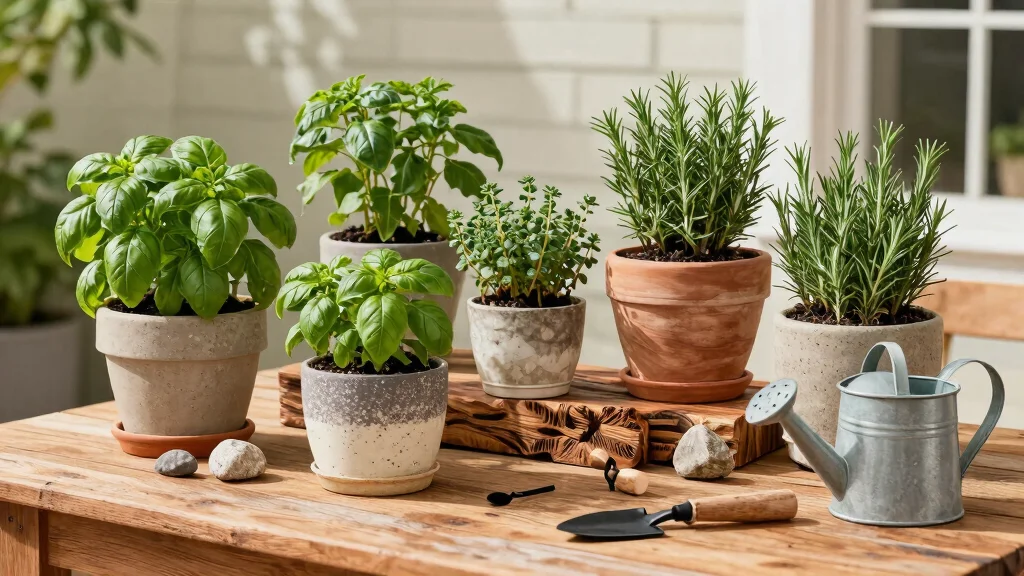
Gardening has a special way of brightening up our outdoor spaces. As the weather warms up, I find myself craving the fresh aromas of herbs. There’s something so satisfying about having a little garden right outside your door where you can snip fresh basil for your pasta or mint for your iced tea. This post is all about patio herb garden ideas to help you create a functional and beautiful space that’s perfect for your culinary adventures.
If you’re someone who enjoys cooking, loves fresh ingredients, or simply wants to enhance your outdoor living area, you’re in the right place. This guide is crafted for urban dwellers and gardening enthusiasts alike, focusing on how to maximize small spaces with container gardening techniques and creative designs. You’ll discover various herb garden ideas that fit any patio size, with practical tips on vertical gardening and DIY projects that make gardening accessible and enjoyable.
Get ready to explore ten unique ideas that will transform your patio into a lush herb haven. From vertical herb gardens that save space to hanging baskets that add flair, you’ll find inspiration and actionable tips to bring some greenery into your life. Who knew that creating your own herb garden could be so rewarding? Let’s dive into these ideas and get your hands dirty!
Key Takeaways
– Vertical Herb Gardens: Utilize wall space to grow herbs upward, saving room for other plants and creating an eye-catching display.
– Container Herb Gardens: Choose pots and containers that fit your style and space; they are versatile and can be moved around as needed.
– Kitchen Herb Garden: Design a dedicated area for the herbs you use most in cooking, making it easy to access fresh flavors while you whip up your meals.
– Hanging Herb Baskets: Install hooks or shelves to hang baskets filled with herbs, providing a unique twist to your patio design while maximizing space.
– Seasonal Herb Rotation: Plan for year-round freshness by rotating herbs based on the season, ensuring you always have something to harvest.
1. Vertical Herb Gardens: Space-Saving Wonders

If you’re short on space, vertical herb gardens are your best friend. They effortlessly combine practicality with beauty, transforming your walls into lush greenery. Picture a vertical planter overflowing with fresh basil, thyme, and parsley, cascading down like a vibrant tapestry! You can create these gardens using everything from old pallets to stylish wall-mounted systems, giving your outdoor space a unique touch.
To make the most of your vertical garden, start by selecting a sunny wall that receives ample light. Lightweight containers are essential to avoid damaging your structure, and proper drainage is key for healthy herbs. This setup not only saves space but also enhances the aesthetics of your patio, making it feel more inviting.
Key benefits of vertical gardens:
– Maximize Space: Ideal for small patios or balconies.
– Eye-Catching Décor: Adds height and interest to your area.
– Easy Access: Harvesting herbs is a breeze with eye-level arrangements.
With a vertical garden, you’ll enjoy a stunning backdrop while having easy access to fresh herbs for your culinary creations.
Vertical Herb Gardens: Space-Saving Wonders
Editor’s Choice

3-Tier Raised Garden Bed with Trellis, 43.3″ H Fir Wood Planter Box with…

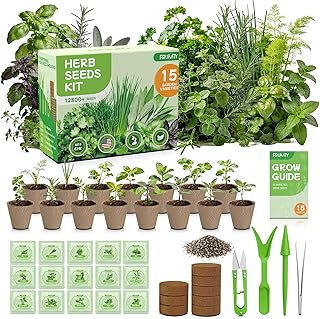
Herb Garden Starter Kit – Fruivity 12800+ 15 in 1 Herb Heirloom Seed K…

FillTouch 3 Tiered Hanging Herb Planters Hanging Herb Garden Wall with 1…
2. Container Herb Gardens: The Versatile Option

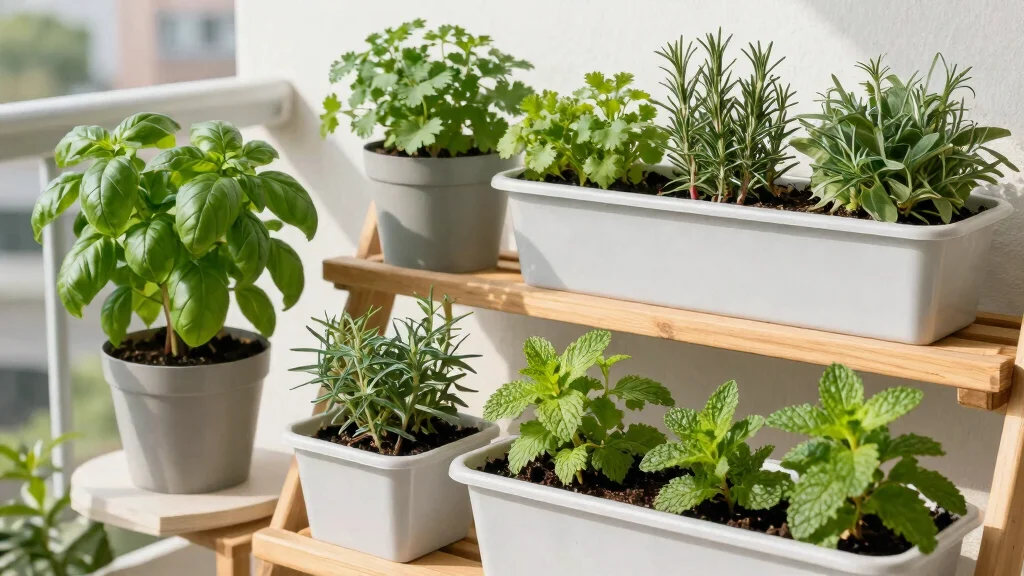
Container herb gardens are perfect for those who want flexibility and style in their outdoor spaces. Using pots of various shapes, sizes, and colors, you can arrange your herb collection to suit your personal taste. From sleek modern designs to rustic terracotta, the options are endless! Place your containers on tables, by your seating area, or even on steps for added charm.
To get started, choose pots with drainage holes to protect your herbs from overwatering. Grouping pots together not only creates an appealing look but also makes watering more efficient. Consider self-watering containers for a hassle-free gardening experience, ensuring your herbs thrive even when you’re busy.
Advantages of container gardening:
– Mobility: Easily rearrange based on sunlight and design.
– Design Flexibility: Mix and match pots for a unique aesthetic.
– Soil Control: Customize soil mixes to meet various herb needs.
With container gardening, you can create a dynamic and stylish herb oasis that suits your lifestyle.
Fun fact: A single 12-inch pot can host a small trio—basil, thyme, and parsley—delivering fresh herbs for a week. Grouping colorful containers for your patio herb garden ideas boosts curb appeal while keeping your space organized and easy to water.
How To Choose the Right Container for Your Patio Herb Garden
When starting your patio herb garden, choosing the right containers is crucial for your plants’ health and overall success. The right container helps ensure your herbs receive enough sunlight, drainage, and space to thrive. Let’s break down the key factors you need to consider when selecting containers for your patio herb garden.
1. Size Matters
Choose containers that are appropriately sized for the herbs you want to grow. Most herbs require a minimum of 12 inches in depth for root growth. For larger herbs like basil or rosemary, consider pots that are 14-16 inches deep. This allows them to flourish and provides enough room for their root systems.
2. Material Selection
Containers come in various materials such as plastic, ceramic, and terracotta. Plastic is lightweight and retains moisture well, making it a great option for beginners. Ceramic is beautiful but can be heavy and may require more care to prevent cracking. Terracotta pots are breathable and help with drainage but need regular watering. Consider your aesthetic preferences and the climate when choosing your materials.
3. Drainage is Key
Proper drainage is vital to prevent root rot in your herbs. Always select containers with drainage holes at the bottom. If you find containers you love that lack drainage, you can drill holes yourself or use them as decorative outer pots with a smaller pot inside. This way, your herbs get the moisture they need without drowning.
4. Mobility and Placement
Think about where you will place your containers. If you want the flexibility to move them around for optimal sunlight, lightweight materials like plastic or fabric pots are ideal. If you prefer a permanent setup, heavier terracotta or ceramic may be preferred, but ensure they are in a sunny spot that won’t require constant moving.
5. Aesthetics and Design
Your patio herb garden should be a reflection of your style. Choose containers that complement your outdoor space. Consider coordinating colors or materials with your existing patio furniture. Unique shapes or decorative pots can add personality to your garden.
6. Budget-Friendly Options
Container gardening doesn’t have to break the bank. You can find great options at garden centers, or you can repurpose items like old buckets, crates, or even large coffee cans. Just remember to add drainage holes if you go this route. This approach is not only budget-friendly but also creative.
Pro Tip: Always test your containers by filling them with soil and checking their weight. Heavier pots may be more stable but could be difficult to move. Aim for a balance that suits your needs and makes maintaining your herb garden easy!
By carefully considering these factors, you’ll set yourself up for a successful and beautiful patio herb garden that can flourish. Happy gardening! 🌱
Container Herb Gardens: The Versatile Option
Editor’s Choice
Herb Garden Starter Kit – Fruivity 12800+ 15 in 1 Herb Heirloom Seed K…

T4U 4 Pack 6 Inch Self Watering Pots – Water Level Indicator & Deep Rese…
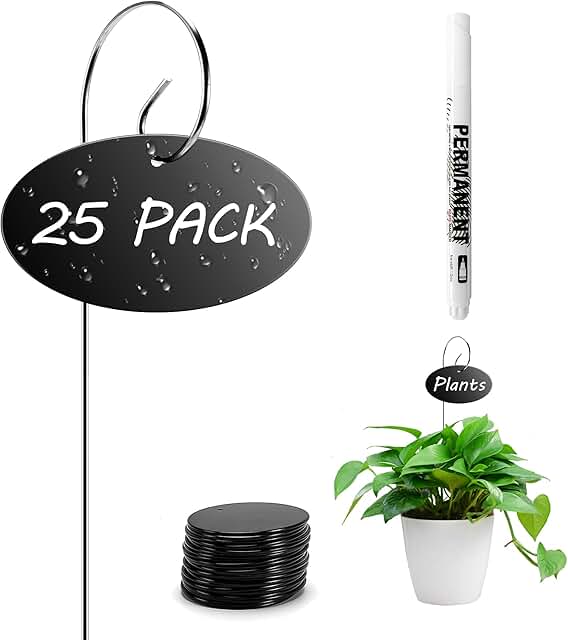
Vcekract Plant Labels, 25 Pcs Acrylic Garden Labels Stakes with Pen, Pla…
3. Kitchen Herb Garden: Cook’s Delight
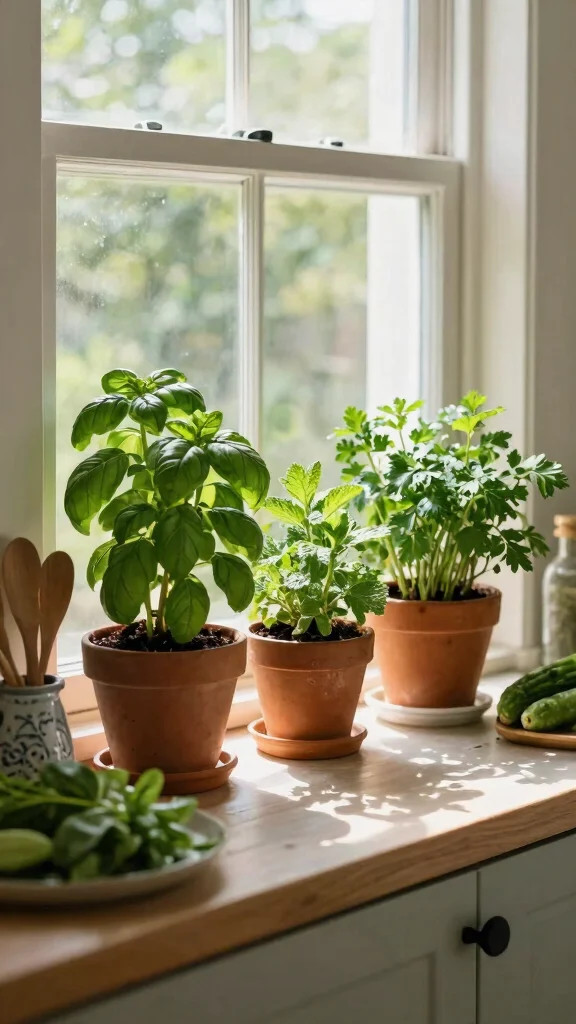
Having a kitchen herb garden brings convenience right to your cooking space. Imagine snipping fresh basil for your pasta or mint for your refreshing lemonade, all just an arm’s reach away! You can set up your herb garden on a sunny windowsill or even use a mobile cart that moves with you around the kitchen.
When planning your kitchen herb garden, focus on herbs that thrive indoors, such as chives, basil, and parsley. Make sure they get enough sunlight—aim for 6-8 hours a day. Choosing attractive pots can also enhance your kitchen’s decor, making the garden not only functional but visually delightful as well.
Benefits of a kitchen herb garden:
– Easy Access: Fresh herbs are always within reach while cooking.
– Aromatherapy: The scents of your herbs enhance your kitchen’s atmosphere.
– Inspiration: Easy access to herbs sparks creativity in your cooking.
A kitchen herb garden elevates your culinary adventures while adding delightful aromas to your home.
Kitchen Herb Garden: Cook’s Delight
Editor’s Choice

Bamworld Plant Stand Outdoor Rolling Tray Plant Caddy with Wheels 12in P…

LBW Desk Grow Light, Full Spectrum Plant Light for Indoor Plants, Grow L…
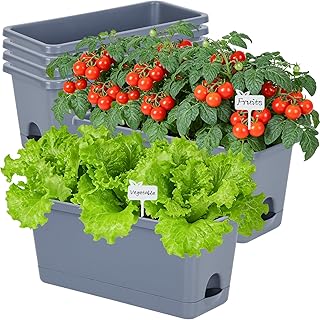
Oliz Window Box Planter 6 Packs, 13.8 Inches Rectangle Flower Pots with …
4. Hanging Herb Baskets: A Unique Twist

Hanging herb baskets can add a whimsical touch to your patio garden. By suspending them from hooks or the ceiling, you create a delightful display that draws the eye upward. Not only do they save space, but they also introduce an element of surprise and dimension to your outdoor area, making it feel more vibrant and alive.
When selecting hanging baskets, opt for lightweight materials to ensure easy setup. Adding a drip tray is a smart move to catch excess water and keep your space tidy. You might also consider mixing herbs with trailing flowers for a stunning visual effect that will impress your guests.
Benefits of hanging herb baskets:
– Visual Interest: Creates dynamic layers in your garden design.
– Space Efficiency: Effectively utilizes vertical space.
– Air Circulation: Improved airflow helps keep herbs thriving.
With hanging baskets, you combine beauty and function, creating a lovely herb display that enhances your patio ambiance.
📹 Related Video: DIY EASY HERB HANGING BASKETS
Hanging Herb Baskets: A Unique Twist
Editor’s Choice

TRUEDAYS 20 Pack Plant Saucers (6 inch / 8inch / 10inch / 12inch) Clear …

Keter Resin Rattan Set of 2 Round Hanging Planter Baskets for Indoor and…

Command 15 Lb XL Heavyweight Wall Hook, Damage Free Hanging Wall Hook wi…
5. Herb Spiral: A Creative Landscape Feature

Herb spirals are an exciting way to create a productive garden in a small space. This innovative design allows you to spiral your herbs up a central structure, maximizing vertical space and taking advantage of different micro-climates. Some herbs thrive in the heat at the top, while others prefer the cooler, shaded areas below.
To build your herb spiral, use materials like bricks, stones, or wood to create the structure. Incorporating a variety of herbs from low-growing to taller varieties adds visual interest and diversity. For example, plant marjoram and sage at the top, while placing mint and basil lower down where they can enjoy more moisture.
Advantages of herb spirals:
– Diverse Growth: Accommodate various herbs with differing needs.
– Water Efficiency: Water collects at the base, nourishing lower plants.
– Aesthetic Appeal: Creates a stunning focal point in your garden.
With an herb spiral, you’ll enjoy a productive and beautiful garden feature that enhances any outdoor space.
You might also like

Herb Spiral: A Creative Landscape Feature
Editor’s Choice

Pulovin 15 lbs White Rocks for Landscaping, 1-2 inch Large White Rocks f…

Land Guard Galvanized Raised Garden Bed Kit, Galvanized Planter Garden B…

HOME GROWN Herb Seeds for Planting 15-Pack Massive Seed Count 4,300+ See…
6. Herb Garden Kits: Ready-Made Convenience

If you’re looking for a simple start to your gardening journey, herb garden kits are the perfect solution. These all-in-one kits typically include seeds, soil, pots, and easy-to-follow instructions, making them ideal for beginners or busy individuals. They take the guesswork out of gardening while providing you with everything you need for a successful start.
When selecting a kit, look for organic seeds to promote healthier growth. Ensure the kit comes with detailed instructions for best results, and check that the pots have drainage holes to prevent waterlogging. This way, you’ll have a thriving herb garden with minimal effort.
Why choose herb garden kits:
– Simplicity: All-in-one solution that removes guesswork.
– Variety: Many kits offer a selection of culinary herbs.
– Learning Tool: Great for new gardeners, encouraging hands-on experience.
With herb garden kits, you can effortlessly cultivate fresh herbs and enjoy the rewards of home gardening.
Herb Garden Kits: Ready-Made Convenience
Editor’s Choice
Herb Garden Starter Kit – Fruivity 12800+ 15 in 1 Herb Heirloom Seed K…

Ahopegarden Indoor Garden Hydroponics Growing System: 10 Pods Plant Germ…

Sereniseed Certified Organic Herb Seeds (10-Pack) – Non GMO, Heirloom …
7. Edible Landscaping: Integrating Herbs into Your Design
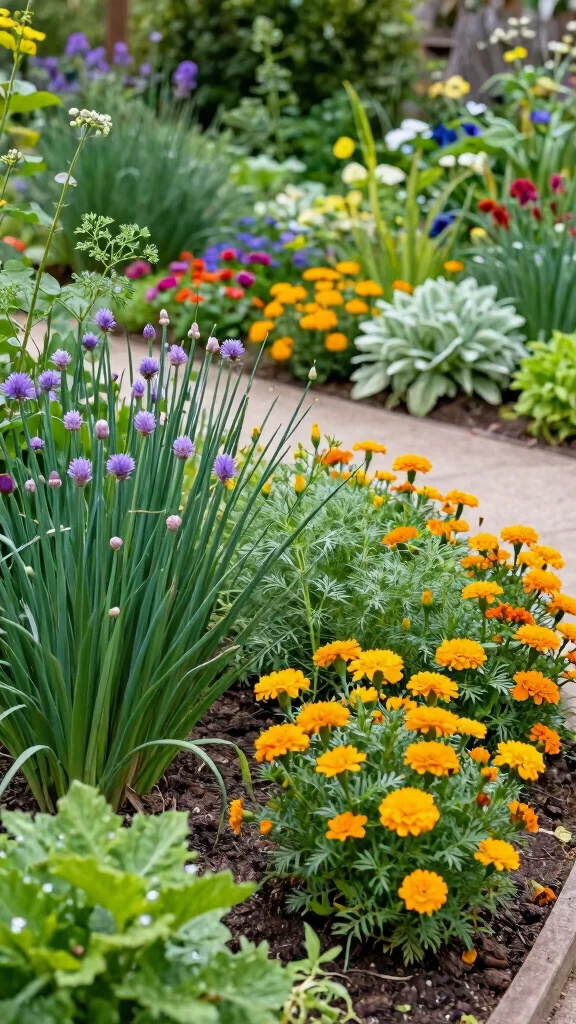
Why not incorporate herbs into your overall landscape design for added beauty and functionality? Edible landscaping allows you to blend herbs into your flower beds and borders, creating a garden that is both visually stunning and practical. Imagine colorful flowers mingling with fragrant herbs, offering a feast for the eyes and the palate!
To successfully integrate herbs, choose companion plants that thrive together in harmony. Group herbs based on their sunlight and water needs to ensure they flourish. Regularly pruning and harvesting your herbs encourages growth and keeps your garden looking its best.
Benefits of edible landscaping:
– Functional Beauty: Integrate herbs into your existing garden aesthetic.
– Biodiversity: Attract beneficial insects and pollinators.
– Flavorful Touch: Fresh herbs are just steps away when cooking.
Edible landscaping transforms your garden into a vibrant and useful space, enhancing your outdoor experience.
Edible Landscaping: Integrating Herbs into Your…
Editor’s Choice
Herb Garden Starter Kit – Fruivity 12800+ 15 in 1 Herb Heirloom Seed K…

LEETOLLA Elevate 32″ Tall Raised Garden Bed Outdoor with Wheels & Shelf …

Carrots Love Tomatoes: Secrets of Companion Planting for Successful Gard…
8. DIY Herb Planters: Personal Touch

Creating your own herb planters adds a unique and personal touch to your patio garden. You can use recycled materials like wooden crates, tin cans, or even old teacups to craft planters that truly reflect your personality. DIY planters are not only eco-friendly but also showcase your creativity, making your garden one-of-a-kind.
When opting for DIY planters, ensure any container has proper drainage holes to keep your herbs healthy. You can decorate your planters with paint or stencils, adding character and charm. Using a soil mix designed for container gardening will also help your herbs thrive.
Reasons to choose DIY planters:
– Customization: Personalize planters to match your patio decor.
– Eco-Friendly: Reuse materials that would otherwise go to waste.
– Cost-Effective: Save money by making your own instead of buying.
DIY herb planters allow you to express your creativity while enjoying the benefits of fresh herbs.
You Might Also Like

DIY Herb Planters: Personal Touch
Editor’s Choice

Diamond Core Drill Bits – 1-3/8 Inch with 58-11 Thread Dry Tile Hole Saw…

Magicfly Outdoor Acrylic Paint, Set of 30 Colors/Tubes (60 ml, 2 oz.) wi…

TIMRIS Set of 3 Rustic Distressed Wood Nesting Crates, Farmhouse Decorat…
9. Herb Garden Workshops: Learn and Grow

Participating in herb garden workshops is an excellent way to enhance your gardening skills while connecting with other enthusiasts. These workshops often cover topics from planting techniques to culinary uses, providing valuable hands-on experience. Not only will you learn new skills, but you’ll also gain inspiration for your own gardening efforts.
To find workshops, check local garden centers or community colleges for offerings that fit your schedule. Online courses can also provide virtual options for those unable to attend in person. Joining local gardening clubs or social media groups can lead to valuable recommendations and connections.
Benefits of joining workshops:
– Hands-On Learning: Gain direct experience with expert guidance.
– Community Connection: Meet and share ideas with fellow gardeners.
– Inspiration: Discover fresh ideas and techniques to implement.
Workshops empower you to grow your knowledge and skills while fostering a sense of community among fellow gardeners.
Did you know that 68% of garden workshop participants report using at least 5 new herbs in their patio herb garden ideas within 6 weeks? Hands-on learning boosts confidence and practical skills you can savor at home.
Herb Garden Workshops: Learn and Grow
Editor’s Choice

Kynup Garden Tools, Gardening Tools Set with Garden Hand Shovel, Garden …
Ahopegarden Indoor Garden Hydroponics Growing System: 10 Pods Plant Germ…
10. Seasonal Herb Rotation: Year-Round Freshness
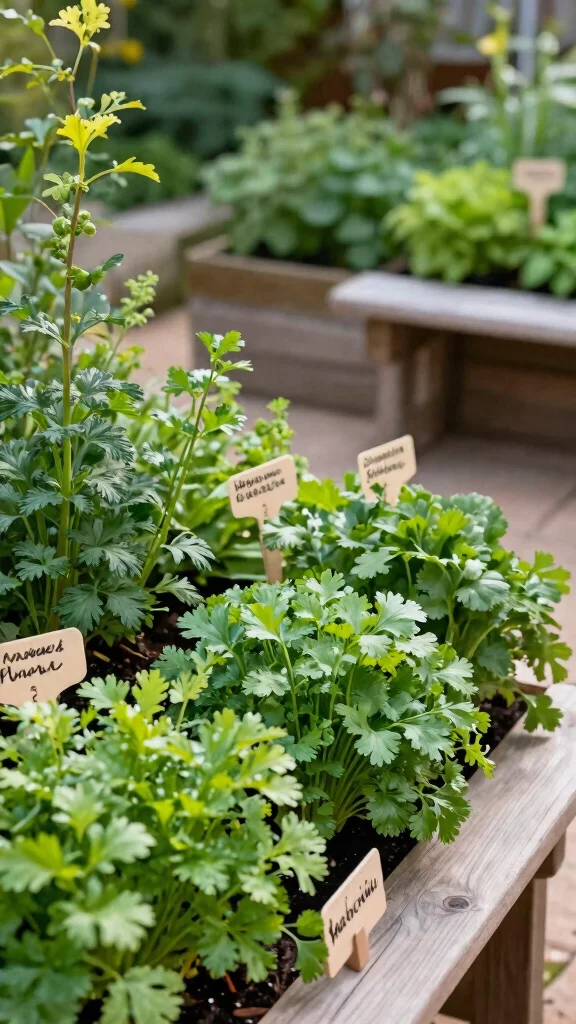
To keep your patio herb garden thriving throughout the year, consider implementing a seasonal herb rotation strategy. By swapping out herbs according to the seasons, you can enjoy fresh flavors and maintain a vibrant garden all year long. This approach also promotes soil health and keeps your plants productive!
When planning your seasonal rotation, create a planting schedule based on growth cycles. Research which herbs flourish in your climate during different seasons to ensure success. Keeping a gardening journal can help you track your progress and celebrate your successes along the way.
Reasons to rotate your herbs:
– Maximize Flavor: Enjoy various herbs that peak in different seasons.
– Soil Health: Prevent depletion and promote biodiversity.
– Visual Appeal: Changing herbs keep your garden fresh and interesting.
Seasonal herb rotation enhances your gardening experience, ensuring continuous enjoyment of fresh herbs.
Fun fact: rotating herbs seasonally can boost flavor and yield by up to 25-30%. A simple planting schedule keeps soil healthy and your patio herb garden ideas thriving year-round.
Seasonal Herb Rotation: Year-Round Freshness
Editor’s Choice

Rapitest Soil Test Kit for Gardens, Vegetables, Flowers and Lawns. USA d…

Florida Vegetable Gardening: The Complete Sunshine State Growing Guide: …

10 Herb Garden Planter Indoor Kit, 44pcs Complete Kitchen Herb Starter S…
Conclusion
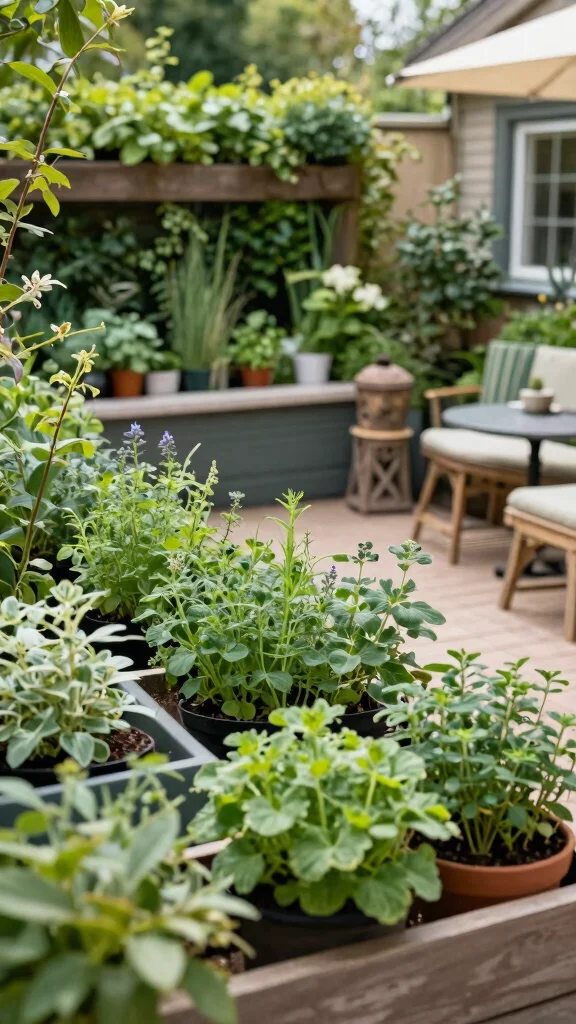
Creating a patio herb garden is a rewarding way to enhance your outdoor living space while providing fresh flavors for your meals. From vertical gardens to DIY planters, there are countless ways to express your creativity and maximize your space. Whether you’re a seasoned gardener or just starting, these ideas can inspire you to cultivate your green oasis and enjoy the many benefits of fresh herbs right at your fingertips!
Note: We aim to provide accurate product links, but some may occasionally expire or become unavailable. If this happens, please search directly on Amazon for the product or a suitable alternative.
This post contains Amazon affiliate links, meaning we may earn a small commission if you purchase through our links, at no extra cost to you.
Frequently Asked Questions
What are the easiest patio herb garden ideas for small urban spaces?
These patio herb garden ideas are perfect for small urban spaces. Start with container gardening to keep plants portable and soil manageable, and pick 3–6 compact herbs that thrive in sun, like basil, thyme, and oregano.
For herb garden design, use matching pots or a vertical planter to maximize space and create visual coherence for outdoor living.
How can I use container gardening to create a functional herb garden on a balcony?
Container gardening makes balconies instantly usable for herbs. Start with a sun exposure check and pick pots with drainage. Use a mix of railing planters, stackable pots, and a small trellis for vertical space. Plant basil, parsley, chives, and rosemary in accessible spots. Water with a self-watering container or a drip tray to reduce spills. Group plants with similar water needs for efficient herb garden design and keep the setup visually cohesive for outdoor living.
Which herbs work best for an herb garden design on a patio with limited space?
On a patio with limited space, focus on compact, high-yield herbs like basil, thyme, rosemary, parsley, and chives. Mint can be grown in a dedicated pot to prevent spreading. For container gardening, choose 6–8 inch pots for smaller herbs and 12–14 inch pots for larger ones. Harvest regularly to keep plants productive and to prevent them from getting leggy. Combine textures for herb garden design and keep them within reach for outdoor living.
What are smart ways to use vertical gardening for patio herbs?
Vertical gardening saves precious space on an urban patio. Use wall-mounted planters, railing boxes, hanging baskets, or a freestanding trellis with pockets for herbs. Choose sun-loving herbs for the top levels and shade-tolerant ones lower if light varies. Ensure you have a consistent water source or a drip irrigation line. This approach fits easily into your patio herb garden ideas and enhances outdoor living.
What beginner-friendly mistakes should I avoid with patio herb garden ideas?
Avoid the classic beginner mistakes: install adequate sun or supplement light if needed, choose containers with drainage, use fresh potting soil rather than garden soil, don’t forget to water consistently, overcrowd pots, let herbs outgrow their space, ignore pruning and harvesting that keep plants productive, and neglect pest checks. Start small, gradually expand with container gardening, and design around basic sun exposure to ensure a flourishing patio herb garden ideas that looks great for your outdoor living.
Related Topics
patio herb garden
container gardening
small space gardening
herb garden design
vertical gardening
outdoor living
urban gardening
easy gardening
beginner friendly
seasonal herbs
functional design
garden aesthetics