
Creating a stunning flower bed that thrives year after year is more than just a gardening task; it’s a heartfelt endeavor that brings joy to your outdoor space. That’s why I’ve put together this post about perennial flower beds. They have a unique charm. Each season, they return to grace your garden with beauty, allowing you to enjoy their splendor without the hassle of replanting every year. Drought-tolerant perennials not only add color but also help sustain our environment, making them the perfect choice for gardeners looking to make a positive impact.
If you love getting your hands dirty in the garden but want a low-maintenance approach, this is for you. You might be someone who appreciates the beauty of perennial flowers but feels overwhelmed by the choices. You’re in luck! I’ve gathered 10 flower bed ideas that are gorgeous, sustainable, and designed to thrive even in the toughest conditions. You’ll find practical advice and creative inspiration, ensuring your garden is not just beautiful but also resilient and easy to care for.
As you explore these ideas, you’ll discover how to incorporate a variety of plants that come back more beautiful each year. Whether you’re planning a completely new garden design or looking to refresh your existing flower beds, this guide will help you achieve stunning results without excessive effort. Get ready to transform your space with perennial flowers that add value to your garden while respecting our precious resources.
Key Takeaways
– Discover 10 unique perennial flower bed ideas that beautify your garden while being drought-tolerant and low maintenance.
– Learn how to incorporate plants like lavender and daylilies for stunning color and texture in your garden design.
– Understand the importance of selecting perennial flowers that thrive in your climate, ensuring they return year after year.
– Explore practical tips for seasonal planting that keeps your garden lush without the hassle of constant upkeep.
– Get inspired to create a low maintenance garden that welcomes biodiversity, supports local ecosystems, and provides joy through vibrant blooms.
1. Sun-Kissed Succulents and Lavender

Transform your garden into a Mediterranean sanctuary by pairing vibrant succulents with fragrant lavender. The unique shapes and colors of succulents like Echeveria and Agave beautifully contrast with the soft purple blooms of lavender. This charming combination not only looks stunning but also attracts beneficial pollinators, enhancing your garden’s biodiversity. By ensuring proper spacing and using gravel for improved drainage, you can maintain this gorgeous setup effortlessly.
Start by selecting a sunny spot with well-drained soil for optimal growth. Consider mixing in decorative rocks to add visual interest and texture. Regularly prune your lavender to encourage fuller growth and abundant blooms.
Key steps to create this oasis:
– Choose well-drained soil for thriving succulents.
– Add decorative rocks for enhanced appeal.
– Prune lavender regularly to boost blooms.
Sun-Kissed Succulents and Lavender
Editor’s Choice

HOME GROWN Non GMO English Lavender Seeds 1,500+ Wildflower Seed for Pla…


Sprout N Green Echeveria Toscannelly, Live Eyelash Succulent Fully Roote…

ZOOFOX 10lb Natural Rocks Stones, Small Washed Gravel for Terrariums, Su…
2. Bold and Beautiful Coneflowers

Add a splash of drama to your flower bed with the vibrant blooms of coneflowers, also known as Echinacea. These hardy perennials flourish in sunny areas and require minimal maintenance, making them perfect for busy gardeners. With their array of colors, including striking pinks and purples, they create a colorful display that’s hard to ignore. Pairing them with ornamental grasses adds movement and texture to your landscape.
Plant these beauties in clusters for a more impactful visual effect. For a stunning contrast, combine them with black-eyed Susans. Mixing in grasses like Feather Reed Grass can further enhance the overall aesthetic of your garden.
Creative pairing ideas:
– Combine with black-eyed Susans for striking contrast.
– Use ornamental grasses to frame coneflowers.
– Group them in clusters for maximum impact.
Did you know coneflowers (Echinacea) can bring color for 6–8 weeks each blooming season and thrive with just 1 inch of water a week? That’s why they’re a go-to for drought-tolerant perennial flower beds—low effort, big impact.
Bold and Beautiful Coneflowers
Editor’s Choice

Miracle-Gro Potting Mix – For Container Plants, Flowers, Vegetables, Shr…

50+ Blue Fescue Ornamental Grass/Perennial Festuca/Drought Tolerant/Sun …
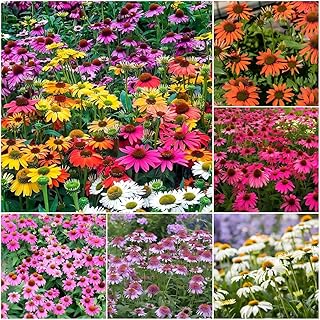
1200+ Mixed Color Echinacea Seeds – Perennial Multi-Color Coneflower, No…
3. Drought-Resistant Daylilies

Bring resilience and vibrant color to your garden with daylilies. Known for their stunning blooms in a variety of shades, daylilies thrive with minimal care, making them a fantastic choice for low-maintenance flower beds. Planting them in clumps not only enhances their visual impact but also promotes their growth together, creating a lush display.
Water thoroughly after planting but cut back as they establish. To keep the blooms coming, remove spent flowers regularly. For added texture, consider pairing them with drought-tolerant ground covers.
Care tips for thriving daylilies:
– Water thoroughly after planting and reduce over time.
– Remove spent blooms to prolong flowering.
– Pair with drought-tolerant ground covers for a layered look.
Drought-Resistant Daylilies
Editor’s Choice

Stella D’oro Yellow Daylilies – 10 Bare Root Perennials Re-Bloomer

HealthiStraw GardenStraw, 3 cu ft (20 lbs) All-Natural Mulch for Gardens…
4. Timeless Blue Salvia

Elevate your garden’s elegance with the stunning blue spikes of salvia. These perennials are not just visually appealing; they also attract pollinators and thrive in well-drained soil and full sun. Their deep blue hues create a captivating contrast when paired with yellows and oranges, making your garden a true standout.
Space your salvia appropriately to allow for their growth. Pair them with yellow Coreopsis for a vibrant color combination, and use salvia as a backdrop for shorter flowering plants to add depth to your garden.
Planting strategy ideas:
– Space them for height and spread considerations.
– Combine with yellow Coreopsis for a vibrant duo.
– Use as a backdrop for shorter flowering plants.
Timeless Blue Salvia
Editor’s Choice

Burpee Wildflower 25,000 Bulk, 1 Bag | 18 Varieties of Non-GMO Flower Se…
5. Charming Sedums for Ground Cover

Sedums offer a unique and colorful ground cover option for your perennial beds. These hardy plants thrive in poor soil and require minimal watering, making them perfect for low-maintenance gardens. With various types available, from low-growing varieties to taller ones adorned with clusters of flowers, sedums can fill gaps and suppress weeds beautifully.
Mix different sedum varieties for a lively look, and consider planting them between stones or in rock gardens for a natural feel. Using sedums in borders can also create a cohesive design throughout your space.
Design tips for incorporating sedums:
– Mix different varieties for dynamic aesthetics.
– Plant between stones for a naturalistic look.
– Use in borders for cohesive design.
You might also like


Top Varieties for Different Conditions
1. Sun-Kissed Succulents
– Best conditions: Hot and dry climates, excellent for low-maintenance gardens.
– Key features: Succulents store water in their leaves, making them drought-resistant and a perfect choice for sunny spots. Pairing them with lavender creates a stunning contrast in color and texture. 🌞
– Considerations: While they thrive in full sun, ensure proper drainage. Overwatering can lead to root rot.
2. Bold Coneflowers (Echinacea)
– Best conditions: Temperate climates and pollinator-friendly gardens.
– Key features: These perennials bloom from summer to fall, attracting butterflies and bees. They come in various colors, making them a versatile choice for any flower bed. 🦋
– Considerations: They prefer well-drained soil and can be prone to powdery mildew in humid conditions.
3. Drought-Resistant Daylilies (Hemerocallis)
– Best conditions: Adaptable to various climates, ideal for sunny to partially shaded areas.
– Key features: Daylilies are incredibly hardy and come in a range of colors. Their blooms last only one day, but they keep producing flowers throughout the season. 🌼
– Considerations: They can spread quickly, so you may need to divide them every few years to control growth.
4. Timeless Blue Salvia (Salvia nemorosa)
– Best conditions: Ideal for well-drained soil in sunny spots, suitable for both coastal and continental climates.
– Key features: Blue salvia brings a burst of color and is a magnet for pollinators. Its aromatic foliage adds another layer of beauty and interest. 💙
– Considerations: It can be prone to self-seeding, so deadheading may be necessary to maintain tidy beds.
5. Charming Sedums
– Best conditions: Perfect for dry, rocky areas and low-maintenance gardens.
– Key features: Sedums are succulent plants that require minimal care. They produce clusters of star-shaped flowers, adding charm and color to your garden. 🌿
– Considerations: While they thrive in neglect, too much moisture can harm them.
6. Striking Japanese Anemones
– Best conditions: Best in partial shade with moisture-retentive soil; great for woodland gardens.
– Key features: These flowers can bloom late into the season, offering striking white or pink blooms. They create a soft, natural feel in any garden. 🌸
– Considerations: They can spread aggressively, so place them where they won’t overshadow other plants.
7. Colorful Hardy Geraniums
– Best conditions: Thrive in both sunny and partially shaded areas, suitable for a variety of climates.
– Key features: Hardy geraniums provide long-lasting blooms and attractive foliage. They are excellent for ground cover and can fill in spaces beautifully. 🎨
– Considerations: They may require division every few years to prevent overcrowding.
Climate/Condition Guide:
– When choosing your perennial flowers, consider your climate. For hot and dry areas, opt for succulents and drought-resistant varieties.
– If your garden is in a temperate zone, you can enjoy a wider range, including coneflowers and hardy geraniums.
– For coastal or humid areas, plants like blue salvia and Japanese anemones perform well, but watch for moisture-related pests.
Growing Tips:
– Start with healthy soil and ensure proper drainage to support your plants.
– Group similar plants together based on water needs to make maintenance easier.
– Regularly deadhead flowers to encourage more blooms and maintain appearance.
Avoid:
– Don’t plant too closely; allow enough space for each plant to thrive. This prevents overcrowding and disease.
– Avoid overwatering your plants, especially succulents and sedums, as this can lead to severe damage.
Charming Sedums for Ground Cover
Editor’s Choice

FANTIAN 20 lbs Large River Rocks for Outdoor Landscaping, 3-4 Inch Decor…

10 in. x 20 in. Sedum Groundcover Mat, Non-toxic Hardy Stonecrop for Lan…
6. Striking Japanese Anemones

Japanese anemones add a graceful touch to your garden, blooming beautifully in late summer and early fall. Their delicate flowers sway gently in the breeze, providing a romantic atmosphere in any flower bed. Thriving in partial shade, these perennials are ideal for challenging spots, and their pale pink and white flowers contrast beautifully with darker foliage.
For a more dramatic effect, plant them in groups and pair them with hostas or ferns to enhance texture. Regularly deadheading encourages more blooms throughout the season.
Planting advice for Japanese anemones:
– Plant in groups for dramatic effects.
– Combine with hostas or ferns for texture.
– Regularly deadhead for continued blooms.
Perennial flower beds shine brightest when Japanese anemones lead the late-summer chorus. Plant them in groups under partial shade, then pair with hostas or ferns for texture that lasts season after season. Regular deadheading keeps the color fresh without extra effort.
📹 Related Video: How To Prune Your Japanese Anemone
Striking Japanese Anemones
Editor’s Choice

Grenebo Gardening Tools 9-Piece Heavy Duty Garden Hand Tools with Fashio…

KVR Upgraded Garden Kneeler and Seat with Thicken & Widen Soft Kneeling …

COOLJOB 2 Pairs Gardening Gloves for Women Ladies, Breathable Rubber Coa…
7. Colorful Hardy Geraniums
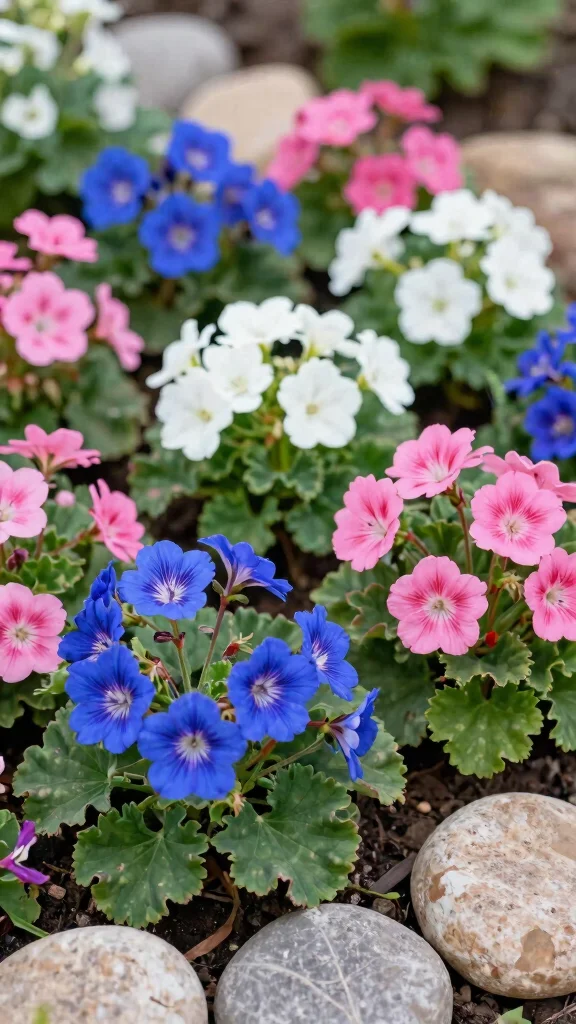
Hardy geraniums are a vibrant addition to any perennial flower bed, known for their long-lasting blooms. They thrive in a variety of soil types, making them incredibly reliable. With colors ranging from deep blues to bright pinks, geraniums attract pollinators and contribute a soft, cottage-garden feel to your space.
For a lovely layered effect, plant them alongside taller plants. These geraniums also work well as border plants, helping to define spaces in your garden. Regularly deadheading will encourage a longer blooming period, keeping your garden colorful.
Planting tips for hardy geraniums:
– Combine with taller plants for a layered effect.
– Use as a border plant to define spaces.
– Regularly deadhead to extend blooming.
Colorful Hardy Geraniums
Editor’s Choice
Back to the Roots 100% Organic Mulch, 58 Quart, Expanding Coconut Husk B…

Espoma Organic Flower-Tone 3-4-5 Natural & Organic Plant Food; 4 lb. Bag…
8. Elegant Ornamental Grasses
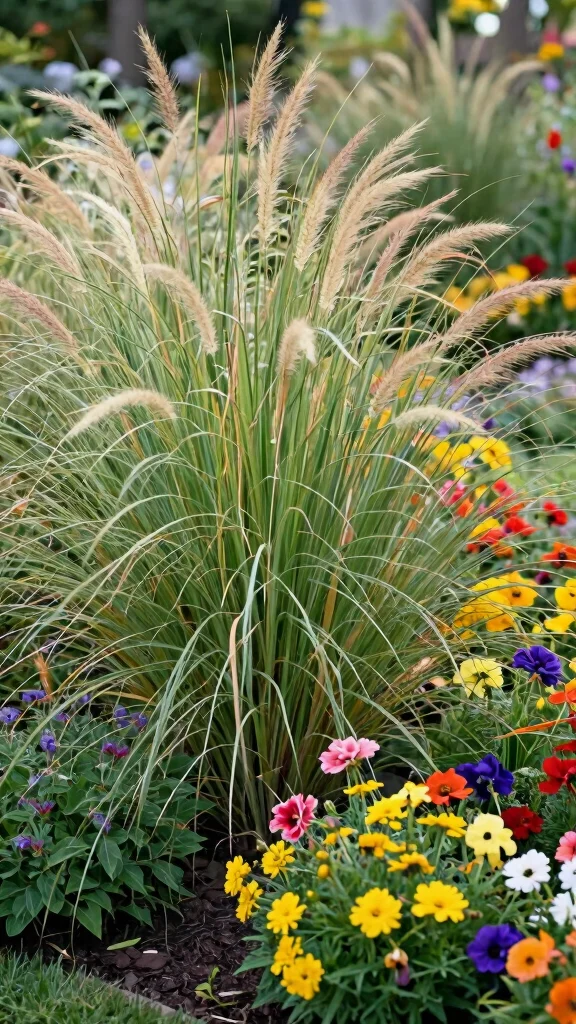
Ornamental grasses bring movement and texture to your garden, acting as the perfect complement to perennial flowers. Their tall, wispy blades create a beautiful contrast against soft blooms, adding elegance to any landscape. Varieties like Miscanthus and Panicum thrive in tough conditions while enhancing your garden’s aesthetic.
Incorporate these grasses as a backdrop for colorful perennials or use taller varieties to create a natural privacy screen. Combining them with flowering plants adds depth and interest to your landscape design.
Incorporation ideas for ornamental grasses:
– Use as a backdrop for colorful perennials.
– Create a natural privacy screen with taller varieties.
– Combine with flowering plants for added depth.
You Might Also Like


Elegant Ornamental Grasses
Editor’s Choice
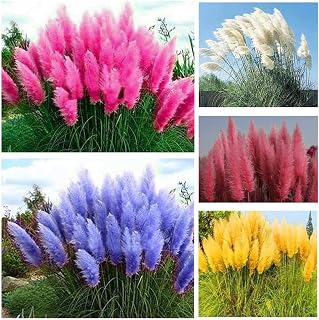
1000+ Mix Pampas Grass Seeds for Planting Cortaderia Selloana Seeds Heir…

4 Everillo Sedge Grass – Evergreen Clumping Ornamental Grass with Arch…
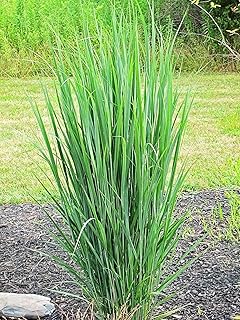
Northwind Switchgrass/Panicum virgatum-3 Containers in 4 Inch Size!
9. Vibrant Blanket Flowers
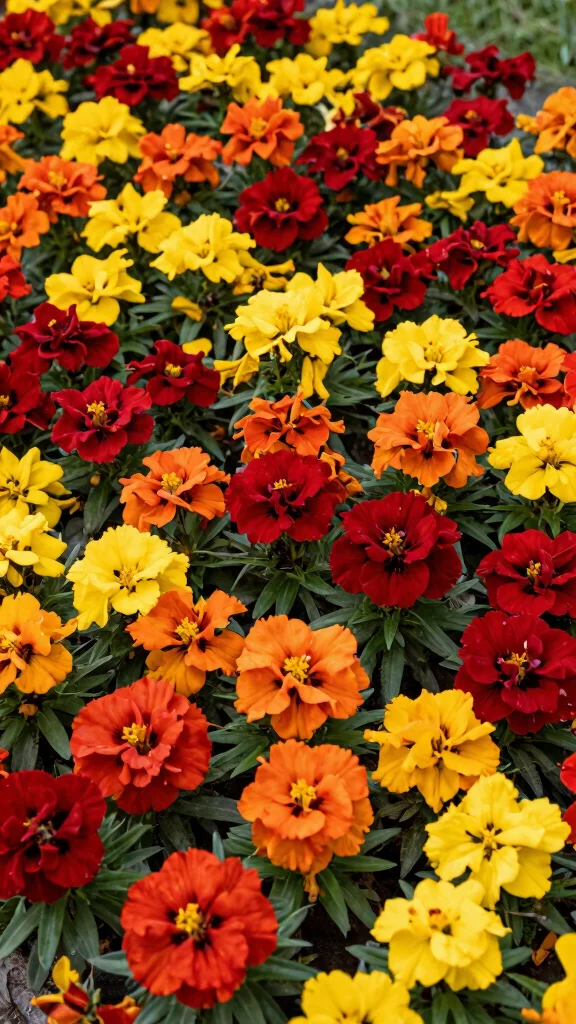
Add a burst of brightness to your drought-tolerant garden with blanket flowers, or Gaillardia. Their bold and colorful blooms resemble a painter’s palette, drawing attention in any landscape. Thriving in poor soils and hot conditions, these perennials are perfect for low-maintenance setups. Pair them with other vibrant flowers for a cheerful summer display.
Group blanket flowers together for a stunning visual impact, and combine them with lighter flowers to enhance their vibrancy. Regular deadheading will also encourage prolonged blooming throughout the season.
Design considerations for blanket flowers:
– Group together for visual impact.
– Combine with lighter flowers to enhance vibrancy.
– Deadhead frequently for longer blooms.
Fun fact: Blanket flowers thrive in hot, dry soil and still bloom with bold color in perennial flower beds. Plant them in groups for a vibrant, painterly border that earns attention with little water. Pair them with lighter blooms to boost their brightness all summer long.
Vibrant Blanket Flowers
Editor’s Choice
HealthiStraw GardenStraw, 3 cu ft (20 lbs) All-Natural Mulch for Gardens…

XLUX Long Probe Deep Use Soil Moisture Meter, Water Monitor Indicator Se…

Miracle-Gro Water Soluble Bloom Booster Flower Food Fertilizer – 10-52-1…
10. Perennial Border Beauties

Create a captivating border flower bed by mixing your favorite perennial flowers. Combining different heights, colors, and textures can craft a visually appealing edge to your garden. Arrange taller plants in the back and shorter ones in the front to establish layers and depth, drawing the eye along the border for continuous blooms throughout the seasons.
Mix and match various flowers to create an engaging display, using daylilies, coneflowers, and salvia for a bold statement. Adding hardy geraniums can enhance color and texture, while low-growing sedums can serve as attractive ground cover.
Mix and match flower ideas:
– Combine daylilies, coneflowers, and salvia for a bold statement.
– Add hardy geraniums for color diversity.
– Incorporate low-growing sedums as ground cover.
Perennial Border Beauties
Editor’s Choice
Burpee Wildflower 25,000 Bulk, 1 Bag | 18 Varieties of Non-GMO Flower Se…

LAVEVE Corrugated Metal Garden Edging 6″ x 40Ft, Landscape Edging Border…
Conclusion
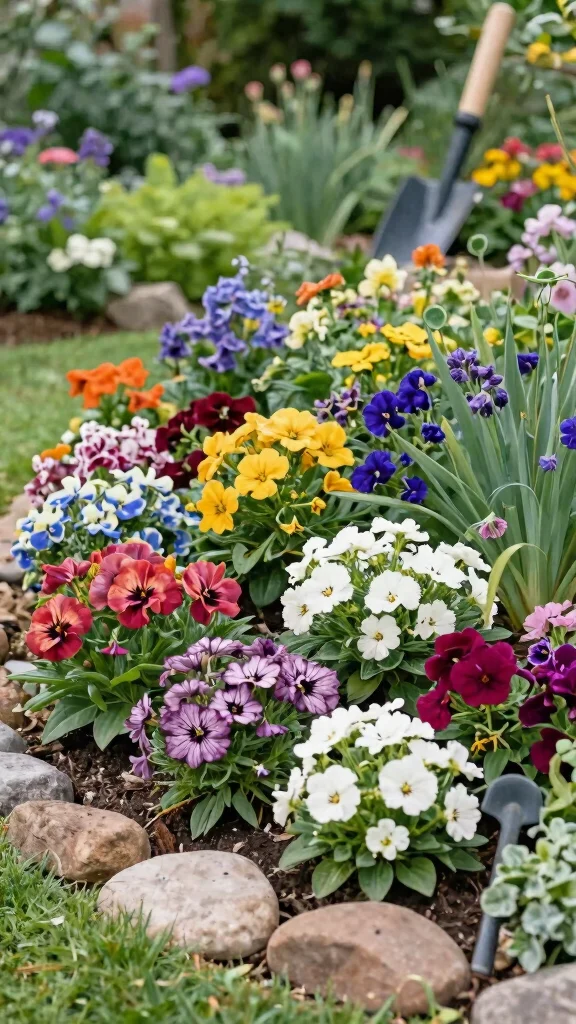
Creating drought-tolerant perennial flower beds can transform your garden into a vibrant and resilient sanctuary that flourishes year after year.
By selecting the right combinations of perennial flowers and thoughtful design elements, you can enjoy a stunning garden that requires little maintenance. Embrace these ideas to cultivate a space that not only suits your style but also celebrates the beauty of nature.
Note: We aim to provide accurate product links, but some may occasionally expire or become unavailable. If this happens, please search directly on Amazon for the product or a suitable alternative.
This post contains Amazon affiliate links, meaning we may earn a small commission if you purchase through our links, at no extra cost to you.
Frequently Asked Questions
What are the best drought-tolerant perennial flowers for a low-maintenance perennial flower bed?
For a dependable, drought-tolerant perennial flower beds, choose performers like Sedum, Echinacea, Gaillardia, Salvia, Coreopsis, Lavandula, and Agastache.
Plant in full sun with well-drained soil, and top with 2–3 inches of organic mulch to lock in moisture and suppress weeds. Water deeply during establishment, then rely on rainfall or occasional irrigation to keep roots happy. Group plants in odd-numbered clusters of 3–5 for visual impact, and use varied bloom times to color the bed from spring through fall. Deadhead faded blooms to extend color, and plan to divide crowded clumps every 3–4 years for vigor. With these steps, your perennial flower beds stay vibrant with minimal maintenance.
How can I design a perennial flower bed that comes back beautifully year after year?
Design with a simple structure: place tall back-row perennials (like Echinacea or Lavender) and mid-height specimens (Salvia, Coreopsis) in small groups, then tuck in low-growing groundcovers or grasses at the front. Choose repeat-blooming and evergreen foliage to carry color even when some plants are resting. Use sun exposure to guide plant choices and stick to drought-tolerant varieties for a low maintenance gardens approach. Prepare soil with organic matter, ensure drainage, and mulch 2–3 inches. Add movement with grasses for year-round interest, and keep a cohesive color palette so the bed remains balanced season after season.
What is a simple seasonal planting schedule for perennial flower beds that stay vibrant all year?
A practical seasonal plan keeps perennial flower beds looking lively. Spring: clean up winter debris, divide older clumps, and plant a few new drought-tolerant perennials. Summer: apply mulch, water deeply at the root, and deadhead regularly to sustain bloom. Fall: add a light mulch layer for winter protection and plant cool-season perennials or late-blooming bulbs for next spring. Winter: prune as needed after frost and use the time to plan adjustments for next year. This fits well with seasonal planting and helps your bed stay vibrant with minimal effort.
Which maintenance tasks are essential to keep perennial flower beds looking great with minimal effort?
Focus on a few core tasks. Mulch 2–3 inches annually to conserve moisture and suppress weeds. Water deeply and infrequently once established, preferably with a drip system. Deadhead to encourage continuous blooms, and prune back spent stems in late winter or early spring. Divide crowded perennials every 2–4 years to maintain vigor. Periodically test soil and amend as needed. These steps support a healthy perennial flower beds and align with low maintenance gardens.
How can I combine perennial flower beds with other elements to create a low-maintenance garden design?
Pair your perennial flower beds with drought-tolerant grasses, evergreen shrubs, and groundcovers to maintain year-round structure. Use a repeatable planting scheme and limited color palette to create a cohesive garden design. Install drip irrigation and mulch to cut water use and upkeep. Add simple hardscapes like gravel paths or stone borders to reduce mowing and weeding. This approach yields a durable, beautiful garden that thrives in dry conditions and stays low-maintenance.
Related Topics
perennial flower beds
drought-tolerant plants
garden design
low maintenance gardens
seasonal planting
flower bed ideas
easy gardening
beginner friendly
colorful blooms
pollinator friendly
landscape design
year-round beauty