
Gardening enthusiasts often find themselves craving new ways to enhance their outdoor spaces. This is especially true as we think of creating beautiful borders. If you’re someone who loves gardening and wants to elevate your yard, this post is just for you.
I’ve gathered eight creative ideas for creating raised flower beds along your fence. These designs are not only stunning but also practical. Whether you have a large backyard or a cozy patio, these ideas are perfect for adding charm and color to your garden. You’ll discover how to use materials like wood, stone, and metal to craft flower beds that fit your style and space perfectly.
In this guide, you will learn about vertical gardening solutions specifically designed for flower beds along fences. Each idea is aimed at helping you maximize space while adding beauty to your garden borders. From colorful flower box rails to tiered flower beds, you’ll find plenty of inspiration to get you started on your next gardening project. Let’s dig in!
Key Takeaways
– Vertical Planter Boxes: These are a great way to save space while adding stunning floral displays along your fence. They work well for both small and large outdoor areas.
– Rustic Stone Raised Beds: Incorporating stone into your garden adds a rustic touch that blends beautifully with nature. These beds can withstand the elements and add texture to your landscape.
– Modern Metal Raised Beds: If you prefer a contemporary look, metal raised beds offer sleek design and durability. They can be painted to match your style, adding flair to your garden.
– Herb Spirals: Creating a spiral herb garden along your fence not only looks amazing but also allows for efficient use of space while providing fresh herbs at your fingertips.
– Seasonal Displays: Rotate flowers and plants in your raised beds to keep your garden vibrant year-round. This adds excitement and keeps your garden looking fresh with each season.
1. Vertical Planter Boxes for a Space-Saving Solution

Looking to maximize your garden space? Vertical planter boxes are a fantastic solution that not only saves room but also adds charm. Picture beautifully crafted wooden boxes, stacked against your fence and brimming with colorful flowers and fragrant herbs. This setup not only elevates your garden’s aesthetic but also makes it easy to care for your plants without the strain of bending or kneeling.
Start by selecting untreated wood for safety and longevity. Ensure your boxes have proper drainage to keep plants healthy. Mix different herbs and flowers to create a vibrant display, and consider adding a trellis for climbing plants like beans or peas.
Key steps to create your vertical planters:
– Choose untreated wood for a natural look
– Ensure good drainage for plant health
– Mix herbs and flowers for color and function
– Add a trellis for climbing varieties
With these vertical planters, your garden can transform into a lush, colorful tapestry that enhances your outdoor area beautifully.
Fun fact: Vertical planter boxes can triple usable planting space along a fence, turning 6 feet into raised flower beds along fence with zero bending. Your back will thank you as you reach for herbs and blooms at waist height.
Vertical Planter Boxes for a Space-Saving Solution
Editor’s Choice
Gift for Women, Mom, Her – 9 Herb Indoor Window Garden Kit | Complete …


Raised Garden Beds with 6 Garden Planter Boxes Indoor Outdoor Vertical R…
2. Stone Raised Beds for a Rustic Touch

Craving a rustic vibe in your garden? Stone raised beds offer a sturdy and elegant solution that harmonizes beautifully with any fence. The natural beauty of stone not only adds texture but also provides insulation, helping your plants thrive through changing weather. You can opt for natural stone or faux options that maintain a stylish appearance at a lower cost.
When planning your stone beds, choose stones that complement your fence for a seamless look. Mix perennials and annuals to ensure year-round beauty, and vary the heights of your beds for added visual interest.
Consider these tips for your stone raised beds:
– Match stones with your fence for cohesion
– Mix perennials and annuals for continuous blooms
– Use varying heights for visual layers
With stone raised beds, you’ll create a captivating focal point that invites admiration while showcasing an array of beautiful blooms.
Raised flower beds along fence with stone create a simple border into a cozy garden shelter—sturdy, stylish, and easy on the budget. Mix perennials and annuals for color that lasts.
📹 Related Video: How to Build a Stone Raised Bed
Stone Raised Beds for a Rustic Touch
Editor’s Choice

Land Guard Galvanized Raised Garden Bed Kit, Galvanized Planter Garden B…
Landscape Edging Garden Edging Border Faux Stone Edging,17FT x 2.75 in T…

Ancient Graffiti Eight-Stone Balancing Cairn – Indoor/Outdoor Garden Dec…
3. Metal Raised Beds for Modern Appeal

Want a contemporary flair for your garden? Metal raised flower beds are the perfect choice, available in a variety of shapes and sizes to inspire creativity. Their sleek design not only complements modern fencing but also reflects light, brightening your garden space.
Consider the durability of metal beds, making them an excellent investment for any climate. Customize them with paint to match your style, and fill them with vibrant flowers for a striking contrast against the metal.
Benefits of choosing metal raised beds:
– Long-lasting and resilient in various climates
– Enhance modern garden aesthetics
– Customize with paint or finish to suit your taste
With metal raised beds, you can create a stunning display of colors that will make your garden truly shine.
Key Trade-offs & Our Top Pick
When considering various options for raised flower beds along a fence, it’s essential to weigh the pros and cons of each design. Let’s break down some popular choices to help you find the best fit for your garden.
Option 1: Vertical Planter Boxes
– Pros:
– Space-saving design, perfect for small gardens.
– Allows for easy access to plants without bending down.
– Creates a modern aesthetic along your fence.
– Cons:
– Limited soil depth can restrict plant growth.
– More maintenance required for watering and drainage.
– Best for: Urban gardeners or those with limited space who still want a lush look.
Option 2: Stone Raised Beds
– Pros:
– Durable and provides excellent insulation for plants.
– Offers a rustic, natural appearance.
– Can blend beautifully with other garden elements.
– Cons:
– Heavy and difficult to move or modify.
– Higher initial cost due to materials and installation.
– Best for: Homeowners looking for a permanent and sturdy solution that adds character to their garden.
Option 3: Metal Raised Beds
– Pros:
– Sleek, modern appearance that suits contemporary homes.
– Lightweight and easy to position.
– Long-lasting and resistant to pests and rot.
– Cons:
– Can heat up quickly in the sun, potentially affecting plant roots.
– May require additional coatings to prevent rust.
– Best for: Gardeners who prioritize style and durability in their flower beds.
Option 4: Herb Spiral
– Pros:
– Space-efficient and allows for various plants in one spot.
– Provides microclimates for different herbs.
– Visually striking and a great conversation starter.
– Cons:
– Requires more planning and design than traditional beds.
– Not suitable for all types of flowers or plants.
– Best for: Those wanting to maximize herbs and enjoy a unique garden feature.
Option 5: Raised Beds with Trellises
– Pros:
– Ideal for growing climbing plants like beans and peas.
– Adds vertical interest to your garden.
– Increases air circulation and sunlight exposure for plants.
– Cons:
– Trellises can be costly and require regular maintenance.
– Needs sturdy support to handle heavier plants.
– Best for: Gardeners who love vertical gardening and want to utilize space efficiently.
Expert Recommendation:
Best Overall: Vertical Planter Boxes
Vertical planter boxes stand out as the top choice for most people. They are affordable, easy to use, and fit well in various spaces, from small backyards to balconies. The modern look adds charm while providing a practical way to grow flowers without taking up too much ground space. You can create a beautiful garden border along your fence while enjoying the convenience these boxes offer.
Why We Picked This:
While vertical planter boxes are versatile, some may prefer stone raised beds for their aesthetic appeal or metal raised beds for their durability. If you have specific needs, like growing herbs or climbing plants, consider those specialized options. Each choice has its unique benefits, so think about your garden’s layout, your budget, and what plants you want to grow. By understanding the trade-offs, you can create a stunning garden border that complements your home.
Metal Raised Beds for Modern Appeal
Editor’s Choice

Metal Paint – Waterpoof Anti Rust Preventative – Paint for Metal – Door/…
Land Guard Galvanized Raised Garden Bed Kit, Galvanized Planter Garden B…
4. Herb Spiral for Functional Beauty

Looking for a unique garden feature? A herb spiral combines beauty and functionality, making it perfect for vertical gardening. This spiral design allows for different microclimates, each suited for various herbs. Placing it along your fence adds a striking element that’s also practical for culinary enthusiasts.
To build your herb spiral, start with a circular base of stones or bricks, spiraling upward to create height. Fill it with nutrient-rich soil and select herbs based on their sunlight and moisture needs, positioning water-loving herbs at the bottom.
Key steps to construct your herb spiral:
– Create a circular base with stones or bricks
– Use rich soil for healthy growth
– Arrange herbs by their moisture needs
This innovative design not only provides fresh herbs at your fingertips but also enhances the beauty of your garden with its unique structure.
You might also like


Herb Spiral for Functional Beauty
Editor’s Choice

HOME GROWN Herb Seeds for Planting 15-Pack Massive Seed Count 4,300+ See…

Virekm River Rocks, Decorative Ornamental Pebbles,Garden Landscaping Sto…

Burpee, 9 Quarts | Premium Organic Potting Natural Soil Mix Food Ideal f…
5. Colorful Flower Box Rails
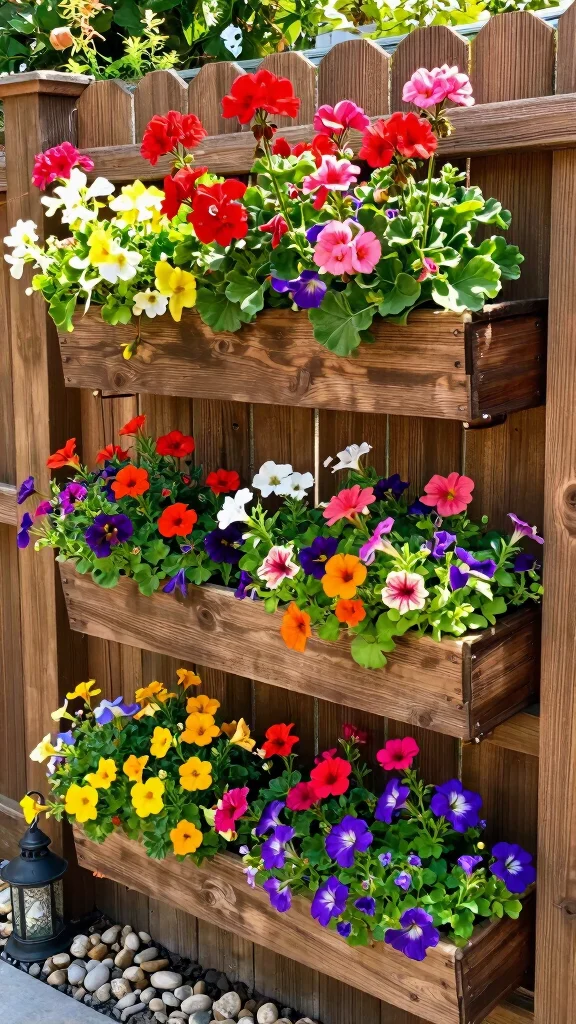
Want to add a pop of color to your fence? Flower boxes atop your fence are an excellent way to create a vibrant garden border. Fill these boxes with bright annuals or fragrant perennials to enjoy a cascade of colors dancing in the breeze. This approach saves ground space, making it ideal for urban areas.
Choose a mix of flowers that bloom at different times to ensure continuous color throughout the seasons. Lightweight materials make installation a breeze, and consider adding trailing plants for extra drama.
Design tips for your flower boxes:
– Select flowers that bloom at varied times
– Use lightweight materials for easy handling
– Incorporate trailing plants for added visual depth
With flower boxes, you’re not just enhancing your fence; you’re creating a stunning vertical garden that captures the essence of nature.
Colorful Flower Box Rails
Editor’s Choice

2 Pack 24 Inch Window Boxes Planters Railing Planter Box with Adjustable…

Window Box Brackets, Adjustable Planter Box Brackets, Heavy Duty Iron Fl…

Root & Vessel 16242 Countryside Flower Box Planter, White, 24-Inch
6. Raised Beds with Trellises for Climbing Plants

Looking to grow climbing plants? Raised beds with trellises offer an elegant solution for showcasing beautiful vines. These structures allow flowers like clematis and climbing roses to thrive, transforming your fence into a stunning wall of blooms. The combination of flowers spilling from the raised beds and climbing upwards creates a lush atmosphere.
Make sure your trellis is securely anchored to support the weight of the plants. Choose varieties suited for your climate, and consider companion planting to enhance growth and deter pests.
Key considerations for raised beds with trellises:
– Securely anchor your trellis for stability
– Choose plants suited to your climate
– Incorporate companion plants for natural pest control
This vertical gardening solution not only maximizes space but also adds height and dimension, enriching your garden experience.
Raised Beds with Trellises for Climbing Plants
Editor’s Choice

1 Pack Garden Obelisk Trellis for Climbing Plants Outdoor, 6FT Adjustabl…
Utopia Home Galvanized Raised Garden Bed Kit 4x2x1ft, Planter Box Raised…
7. Tiered Flower Beds for Depth and Interest

Want to create a stunning focal point? Tiered flower beds add depth and visual appeal to your garden. By stacking raised beds at different heights along your fence, you can showcase a variety of plants in a dynamic arrangement. This design allows for creative planting combinations that are both beautiful and functional.
Use a mix of materials like wood and stone to add character, and select plants of varying heights for added intrigue. Implementing a drip irrigation system can simplify maintenance.
Steps to create tiered flower beds:
– Mix materials like wood and stone for texture
– Choose diverse plant heights for interest
– Install drip irrigation for easy care
Tiered flower beds can become a captivating centerpiece in your garden, inviting guests to explore the colorful plants cascading from each level.
Fun fact: three-tiered raised flower beds along a fence can boost planting area by up to 60% compared to a single row. Stack heights, mix materials, and watch blooms and veggies flourish with less bending and more reach.
You Might Also Like


Tiered Flower Beds for Depth and Interest
Editor’s Choice

Maotong 240FT Drip Irrigation System Kit, Automatic Garden Watering Mist…

FANTIAN 20 lbs Large River Rocks for Outdoor Landscaping, 3-4 Inch Decor…
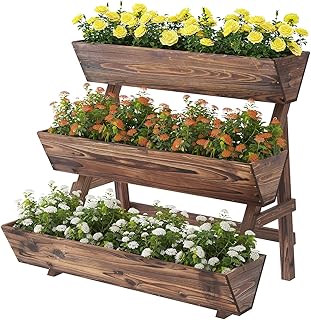
3-Tiers Wooden Raised Garden BedPlanter Box Gardening Outdoor Planter Bo…
8. Seasonal Displays for Rotating Beauty

Looking to keep your garden fresh? Rotating your flower beds with seasonal plants can create a vibrant display that changes throughout the year. Imagine a spring burst of tulips, followed by summer marigolds, and fall asters—all thriving along your raised beds by the fence.
Choose plants based on their bloom times and seasonal colors for a dynamic garden. Incorporating evergreens provides winter interest, and using mulch will help retain soil moisture during transitions.
Seasonal planting tips:
– Select plants based on bloom schedules
– Incorporate evergreens for winter structure
– Use mulch to protect soil and moisture
This approach not only keeps your garden lively but also allows you to experiment with different arrangements, enhancing your gardening skills over time.
Seasonal Displays for Rotating Beauty
Editor’s Choice
Back to the Roots 25.7qt (1 Cubic ft) Organic Premium Mulch
Seed Needs Flower Seeds Cosmos Crazy Blend No Filler 10+ Varieties Cosmo…

LEETOLLA Elevate 32″ Tall Raised Garden Bed Outdoor with Wheels & Shelf …
Conclusion

Incorporating raised flower beds along your fence is a fantastic way to enhance your garden’s beauty and functionality. With a myriad of styles, materials, and planting options, you can easily create an outdoor space that reflects your personality and gardening interests. Embrace these ideas to inspire your next gardening project and turn your fence into a stunning garden border that draws admiration.
Remember, the beauty of a garden lies in its diversity and your unique touch.
Note: We aim to provide accurate product links, but some may occasionally expire or become unavailable. If this happens, please search directly on Amazon for the product or a suitable alternative.
This post contains Amazon affiliate links, meaning we may earn a small commission if you purchase through our links, at no extra cost to you.
Frequently Asked Questions
What are the best designs for raised flower beds along a fence to create a beautiful garden border?
To turn a fence into a lush border, start with space planning. Classic options include a continuous raised bed along the fence, a series of tiered or staggered beds for depth, or modular DIY raised beds you can rearrange. For a vertical twist, incorporate trellises or living walls that climb the fence while the beds stay low for accessibility. When planning, aim for beds 18–24 inches wide for easy maintenance and good plant spacing. Use durable materials like cedar, line with landscape fabric and a good soil mix, and finish with a moisture-retaining mulch. Install a simple drip irrigation line for efficient watering. This approach covers practical garden border ideas and vertical gardening tips in one bundle.
How can I maximize vertical gardening along a fence with raised beds?
Vertical gardening along a fence can be boosted with a mix of trellises, wall-mounted planters, and climbing accents. Start with sturdy trellis panels attached to the fence, add a row of narrow raised beds for a layered look, and train vining plants (like sweet peas, climbers, or flowering cucumbers) up the structure. Use vertical planters or hanging pockets to add herbs or perennials without widening the ground footprint. Choose vertical gardening tips that emphasize sun exposure, plant compatibility, and water efficiency. Keep the border cohesive with a simple color scheme and regular pruning so it stays tidy all season long.
What soil, drainage, and watering practices work best for raised beds along fences?
Use a well-draining mix—about 60% good topsoil, 30% compost, and 10% coarse sand or perlite—for rich but airy beds. Line the bed with landscape fabric to reduce weeds and improve drainage, then top with a 2–3 inch mulch layer to retain moisture. For watering, install a drip irrigation line or soaker hose along each bed and run it in the early morning to minimize evaporation. Regularly check near the fence for pooled water and adjust slope or add drainage as needed. This practical approach helps your DIY raised beds stay healthy and productive.
Which plants thrive in raised beds along a fence and how should I arrange them for a balanced look?
Choose a mix of compact perennials and annuals that suit your sun exposure. Great options include lavender, salvia, daylilies, rudbeckia, and zinnias for color and longevity, plus climbers like clematis or jasmine to weave up the fence. Arrange plants in layered heights: tall back near the fence, mid-height in the middle, and low edging at the front. Rotate seasonal color schemes to keep the border vibrant year-round. This setup aligns with flower bed designs and garden border ideas for a cohesive, eye-catching fence border.
What are budget-friendly tips to install DIY raised beds along a fence without cutting corners on quality?
Measure your space first, then choose affordable, durable materials like untreated cedar or repurposed wood for a sturdy frame. Build modular sections that fit the available length, so you can expand later if needed. Line the interiors with landscape fabric, seal joints to prevent rot, and use a rot-resistant bottom panel if the bed sits directly on soil. Calculate soil needs accurately, mix in compost, and consider using recycled compost or locally sourced soil to cut costs. Secure the beds to the fence or posts to prevent wobble, and reuse offcuts for stepping stones or edging. This DIY raised beds approach keeps fence landscaping affordable and functional.
Related Topics
raised flower beds
garden border ideas
vertical gardening
fence landscaping
DIY raised beds
flower bed designs
beginner gardening
easy gardening projects
seasonal flowers
container gardening
sustainable gardening
outdoor decor