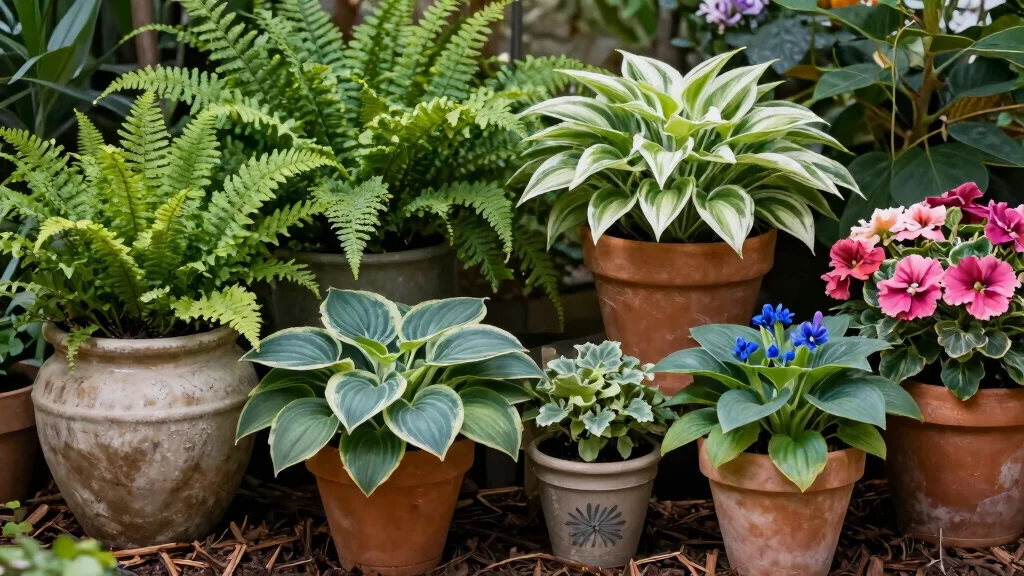
Creating a beautiful garden often feels like a race toward sunlight. Many gardeners dream of vibrant flower beds filled with color and life, but what if your space is shaded? Don’t worry—this post is all about showing you how to grow stunning blooms in shaded flower beds. I’ve gathered some fantastic ideas to help you make the most of your low-light garden, proving that you can indeed cultivate beauty where the sun doesn’t shine.
If you’re someone who loves gardening but struggles with areas of your yard that just don’t get enough sun, then you’re in the right place. From seasoned green thumbs to novice plant parents, anyone looking to add a splash of color to their shaded spots will find inspiration here. You’ll discover not just shade-loving plants but creative ways to arrange them in containers, making your garden both practical and pretty.
In this guide, you’ll get seven unique ideas for shaded flower beds that will help you achieve that lush, blooming look without needing full sun. Each idea will inspire you to think outside the box, using shade-loving plants and container gardening techniques. Whether you’re into vibrant annuals, majestic perennials, or even edible flowers, this post has something for everyone. By the end, you’ll be ready to transform those dreary corners of your yard into stunning showcases of color and life!
Key Takeaways
– Embrace Ferns: Using ferns can create a lush green backdrop in your shaded flower beds, enhancing the beauty of other plants.
– Diverse Hostas: Hostas come in various sizes and colors, making them a versatile choice for filling your space with texture and interest in low-light conditions.
– Container Creativity: Mixing different plants in colorful containers allows you to customize your designs, and place them strategically for maximum visual impact.
– Explore Uncommon Plants: Don’t shy away from less common varieties! They can add a unique flair and surprise element to your shaded garden.
– Edible Options: Incorporating edible flowers not only offers beauty but also functionality, giving you blooms you can use in your kitchen.
1. Fern Fantasy: Embrace the Green
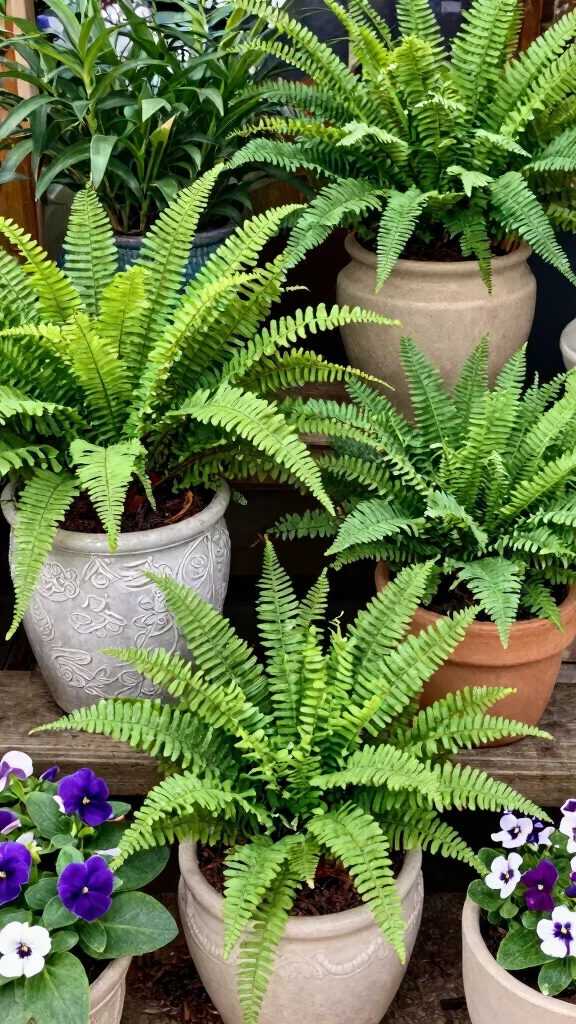
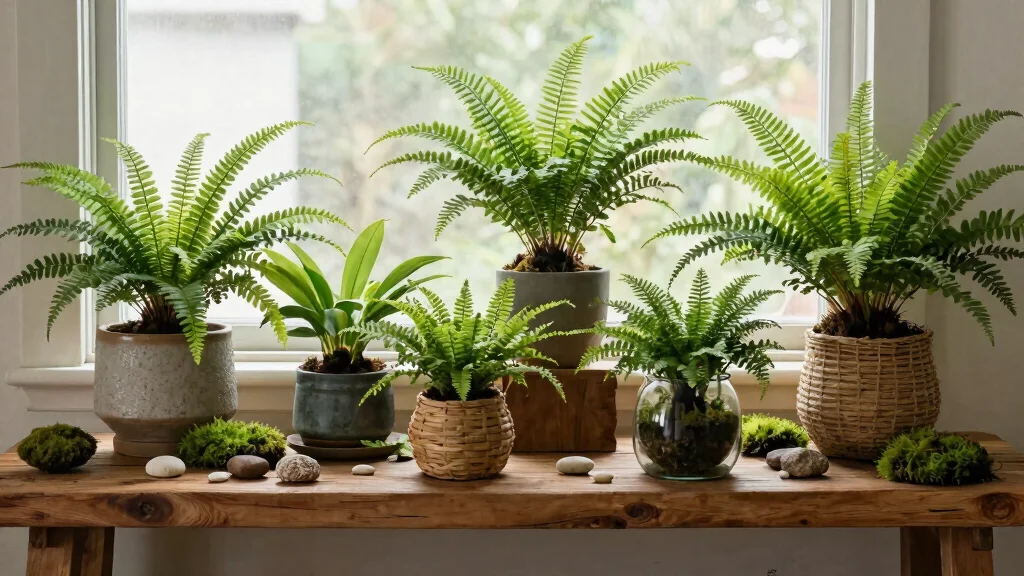
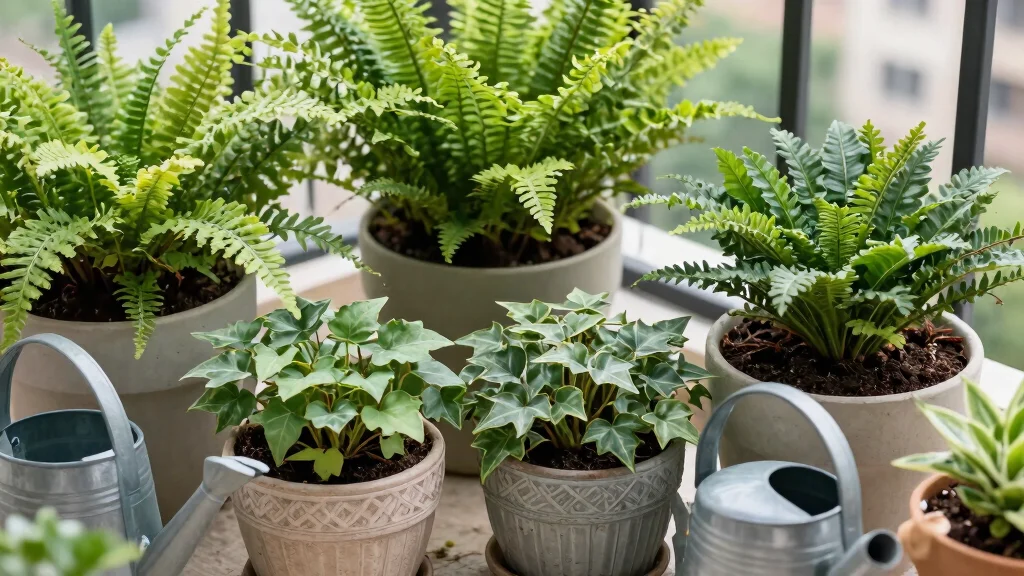
If you’re looking for a lush, vibrant addition to your garden, ferns are the perfect choice. These shade-loving plants create a stunning green backdrop, enhancing the beauty of your flower beds. With their delicate, feathery leaves, ferns can adapt to various styles, whether in rustic or modern containers.
To make the most of your ferns, consider using large, textured ceramic pots. Pair them with colorful flowers like impatiens or violets to create a captivating contrast. Mixing different fern varieties, such as bold Japanese painted ferns with delicate lady ferns, adds depth and interest to your arrangement.
Key tips for planting ferns:
– Choose well-draining soil to prevent root rot
– Incorporate decorative mulch to retain moisture
– Water regularly, especially during dry spells
With their rich green color, ferns can brighten up even the shadiest corners of your garden, creating a serene atmosphere.
Fern Fantasy: Embrace the Green
Editor’s Choice

Wildflower Seed Bulk, 3 Oz. (80,000+ Seeds) – 19 Non-GMO Flower Seeds …


Creative Co-Op Large Matte White Embossed Stoneware Planter
2. Hostas: Majestic and Diverse

Hostas are an ideal choice for shaded gardens, offering a stunning variety of leaf shapes, sizes, and colors. These hardy perennials thrive in low light, making them a staple for any container garden. With options ranging from large-leaved ‘Big Daddy’ to smaller ‘Patriot’ varieties, hostas bring a striking visual element to your space.
To enhance your hostas, pair them with flowering plants such as astilbes or hardy geraniums for vibrant pops of color. Be sure to choose pots that accommodate their roots and provide good drainage. Mixing in shade-tolerant ground covers like creeping thyme can also create a lovely layered effect in your garden.
Tips for planting hostas:
– Select a pot with ample drainage holes
– Water regularly to keep foliage lush
– Incorporate companion plants for added visual interest
With minimal maintenance, hostas can transform your shaded areas into lush retreats, inviting relaxation and beauty.
Fun fact: Hostas come in over 3,000 cultivars and thrive in shaded flower beds, turning dim corners into a living palette from big, bold leaves to petite speckled varieties. Pro Tip: Pair them with astilbes or hardy geraniums for continuous color.
Hostas: Majestic and Diverse
Editor’s Choice
Back to the Roots 100% Organic Mulch, 58 Quart, Expanding Coconut Husk B…
6 Pack 6 Inch Terracotta & Clay Pots with Saucer for Plants, Large Terra…

Osmocote Smart-Release Plant Food Plus Outdoor & Indoor1 – Granular, Con…
3. Colorful Containers: Mix and Match
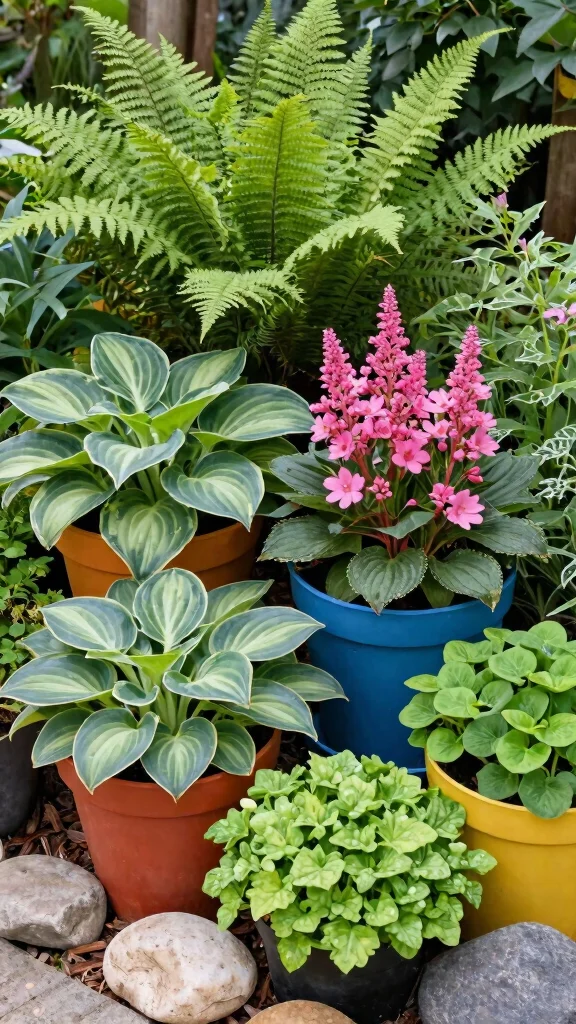
Creating a shaded flower bed can be a fun adventure! Instead of sticking to one plant type, mixing and matching different shade-loving varieties can lead to a vibrant and eye-catching display. Combining various colors and textures adds depth and excitement to your garden.
Consider arranging pots of different heights to create layers in your design. Start with taller plants like spiked varieties or ferns in the back, add medium-height flowers like hostas in the middle, and finish with low-growing plants such as creeping jenny in the front. This layering technique not only enhances visual interest but also creates a dynamic arrangement.
Strategies for mixing containers:
– Use a variety of heights and shapes for depth
– Pair soft ferns with bold caladiums for texture
– Add decorative stones or mulch for flair
With a little creativity, your shaded areas can burst with color and life, making them true focal points of your garden.
Fun fact: mixing three heights of containers boosts color impact in shaded flower beds by up to 40%. Start tall ferns in back, mid-hostas, and low blooms in front for instant depth and a living rainbow.
Colorful Containers: Mix and Match
Editor’s Choice

Miracle-Gro Moisture Control Potting Mix – Plant Soil For Container Plan…

Hlukana Ceramic Plant Pots Set of 3, 6.75/5.6/4.2 inch Planters with Dra…
4. Uncommon Varieties: Go Beyond the Basics
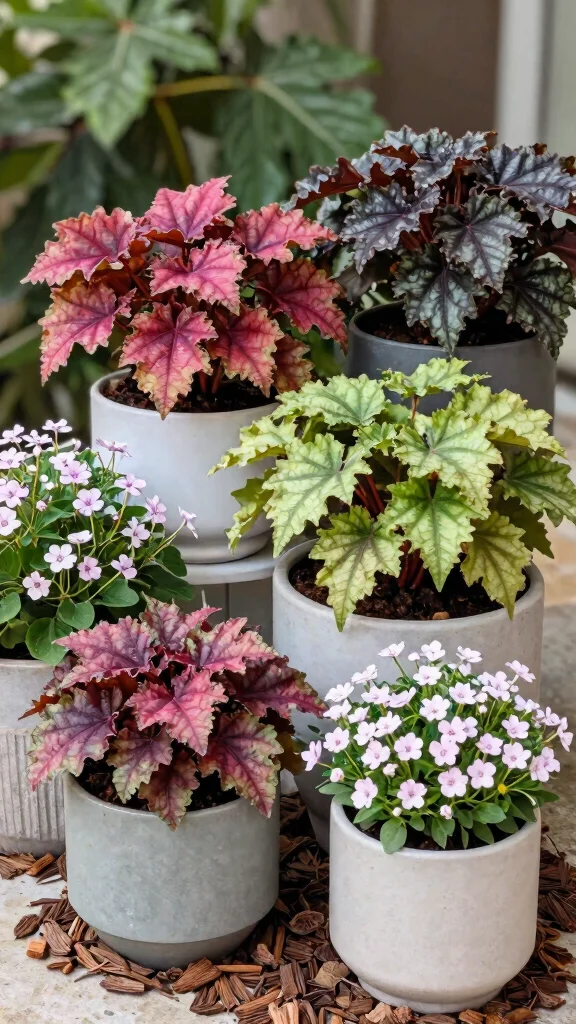
While ferns and hostas are popular, don’t overlook the charm of lesser-known varieties that can bring uniqueness to your garden. Plants like heuchera and tiarella introduce stunning leaf colors, from deep burgundy to vibrant lime, adding fresh flair to your shaded areas.
Heuchera, or coral bells, thrive in containers and produce delicate flower spikes that attract hummingbirds. Pair them with tiarella, known for its fluffy white blooms, for a delightful contrast. Mixing these uncommon varieties with traditional shade plants can create a rich tapestry of color and texture in your garden.
Ideas for incorporating uncommon varieties:
– Check light and water needs for optimal growth
– Combine with traditional flowers for diversity
– Experiment with different colors and textures for visual appeal
By adding these unique plants, you can create a shaded garden that stands out, full of delightful surprises.
You might also like

Uncommon Varieties: Go Beyond the Basics
Editor’s Choice

Live Heuchera Coral Bells 2-Pack – Peach Parfait – Shade Perennial F…

20 FILIGRAN FOAMFLOWER White & Pink Tiarella Polyphylla Laceflower Shade…
5. Shade-Savvy Succulents: An Unexpected Twist

Who says succulents can’t thrive in the shade? Many varieties can adapt beautifully to low-light conditions, making them an exciting addition to your container garden. Their subtle colors and unique textures can bring a modern touch to shaded flower beds.
Opt for varieties like jade plants or certain sedums that flourish with indirect light. Pair them with small flowering plants like violets or nemesia for vibrant pops of color. Remember to choose pots with good drainage since succulents prefer well-draining soil. Adding decorative elements like driftwood or pebbles can enhance the visual appeal of your arrangement.
Tips for using succulents in shade:
– Select the right pots for drainage
– Pair with colorful flowers for contrast
– Maintain soil moisture without overwatering
With thoughtful combinations, these resilient plants will thrive in shady spots, creating an eye-catching garden layout.
📹 Related Video: COLORFUL SUCCULENTS IN THE SHADE
Shade-Savvy Succulents: An Unexpected Twist
Editor’s Choice

Giraffe Creation 10-Inch Round Cylinder Plant Pot, Modern Indoor/Outdoor…

Perennial Farm Marketplace Sedum Sunsparkler® ‘Wildfire’ (Stonecrop) Gr…

Sunset Jade Plant – Crassula – Easy to Grow House Plant – 4″ Pot
6. Annuals for Continuous Color
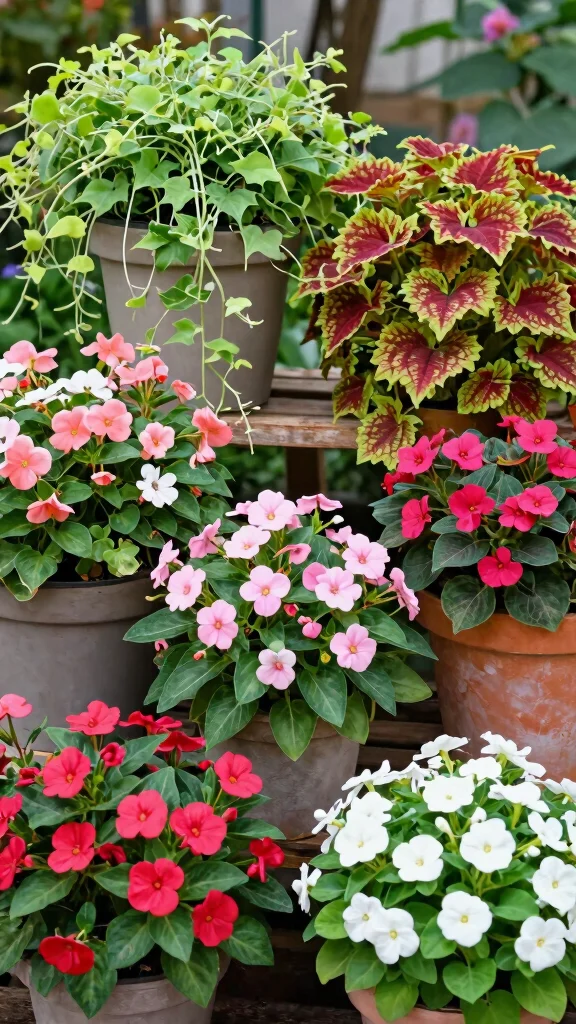
To add continuous color to your shaded areas, consider incorporating annuals that thrive in low-light conditions. Plants like impatiens, begonias, and coleus provide vibrant blooms, brightening up your garden throughout the season.
Mix various colors and patterns—think pink and white impatiens paired with the lush greens of coleus. Use larger containers for group arrangements or plant them individually for a more organized look. Adding trailing annuals like sweet potato vines can create a cascading effect, enhancing the height and depth of your display.
Essential tips for annuals in shade:
– Regularly deadhead to prolong blooming
– Ensure consistent watering to keep plants thriving
– Combine different colors for a lively arrangement
With these annuals, even the shadiest corners of your garden can become vibrant focal points, bursting with life.
Did you know 70% of shaded flower beds stay colorful all season when you plant annuals like impatiens, begonias, and coleus? They thrive in low light, giving you continuous color from spring through frost.
You Might Also Like
Top Varieties for Different Conditions
1. Japanese Painted Fern (Athyrium niponicum)
– Best conditions: Thrives in cool, moist climates with dappled shade.
– Key features: This fern features stunning silvery-green fronds with purple highlights. It adds a touch of elegance to shaded flower beds.
– Considerations: Needs consistently moist soil; avoid letting it dry out completely.
2. Hellebore (Helleborus spp.)
– Best conditions: Prefers partial to full shade, especially in temperate regions.
– Key features: Known as the Christmas rose, hellebores bloom in late winter to early spring, offering unique, cup-shaped flowers.
– Considerations: They can be slow to establish, so patience is key when planting.
3. Astilbe (Astilbe spp.)
– Best conditions: Ideal for humid climates with consistent moisture and partial shade.
– Key features: Astilbe produces feathery plumes in colors ranging from white to deep red, thriving in wet soil.
– Considerations: Requires regular watering during dry spells; too much sun can scorch leaves.
4. Container Gardening with Caladium (Caladium bicolor)
– Best conditions: Works well in warm climates with indirect light or partial shade.
– Key features: Caladiums offer a stunning array of leaf colors and patterns, making them perfect for container displays.
– Considerations: These plants need protection from direct sun to prevent leaf burn. Use well-draining soil in containers.
5. Lungwort (Pulmonaria spp.)
– Best conditions: Thrives in cool, moist, shaded areas, especially in woodland gardens.
– Key features: Lungwort features attractive spotted leaves and lovely blue or pink flowers in early spring.
– Considerations: May spread quickly; plan spacing accordingly to prevent overcrowding.
6. Bleeding Heart (Lamprocapnos spectabilis)
– Best conditions: Prefers cool, shaded areas, particularly in temperate regions.
– Key features: Known for its heart-shaped flowers that dangle like little charms, it brings charm to any shaded area.
– Considerations: Its foliage dies back in summer; plant with other perennials for continuous interest.
7. Coral Bells (Heuchera spp.)
– Best conditions: Grows well in partial shade, especially in well-drained soil.
– Key features: Coral bells come in a variety of colors and have attractive leaves, adding texture to your flower beds.
– Considerations: Sensitive to heat; consider varieties that are more tolerant to warmer conditions.
Climate/Condition Guide:
Identifying your specific climate is crucial for growing shaded flower beds successfully. If you live in a temperate zone, you can grow a wide range of shade-loving plants. Coastal areas may require plants that can tolerate more salt and humidity. In hot and dry climates, focus on drought-resistant varieties that can manage with less moisture. For humid regions, select plants that thrive in rich, moist soil. Always consider how much sun your shaded flower bed receives throughout the day.
Growing Tips:
– Water regularly, especially during dry spells, to keep your shaded flower beds flourishing.
– Use mulch to retain moisture and suppress weeds. This helps maintain healthy soil conditions.
– Mix different types of plants for a varied look and better resilience against pests and diseases.
Avoid:
– Don’t plant sun-loving flowers in shaded areas; they won’t thrive and will likely die off.
– Avoid overwatering; many shade-loving plants are susceptible to root rot. Always check soil moisture before watering.
Annuals for Continuous Color
Editor’s Choice

Live Begonia – Dark Leaf Assorted (4 Per Pack), Beautiful Shade Annual, …

350+ Double Impatiens Seeds for Planting Perennial Annual Mixed Camellia…

Coleus Rainbow Mix Live Plants, Set of 6, Colorful Foliage for Indoor Ou…
7. Edible Flowers: Beauty Meets Utility

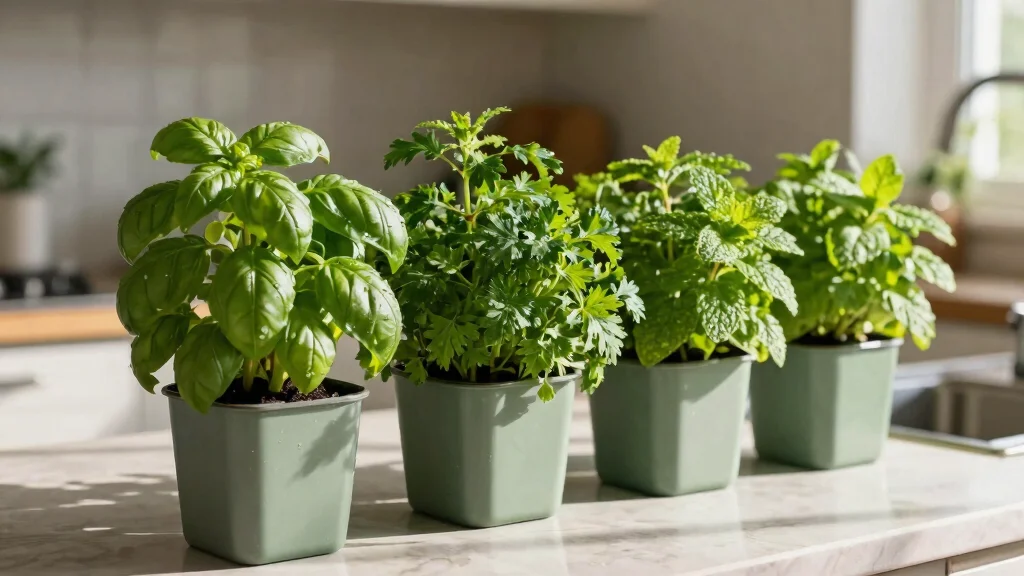
Don’t forget to add edible flowers to your shaded containers! Plants like pansies, nasturtiums, and some herbs thrive in low-light conditions while enhancing your culinary creations. Pansies bring vibrant color, while nasturtiums add a peppery flavor to salads.
Herbs like chives or mint can also tolerate partial shade, making them perfect companions in your arrangements. When planting, use a mix of pots to keep edible flowers separate from ornamental plants to avoid cross-contamination. Adding decorative elements like colorful stones or small garden signs can elevate the charm of your display.
Ways to incorporate edible flowers:
– Choose varieties that thrive in shade
– Mix pots for aesthetic and practical separation
– Use decorative accents to enhance the look
With creativity and careful planning, your shaded garden can become both visually stunning and deliciously practical, offering beauty and flavor.
Edible Flowers: Beauty Meets Utility
Editor’s Choice

Grow Your Own Herbs: The 40 Best Culinary Varieties for Home Gardens

BUYMAX Plant Pots Indoor –5 inch Ceramic Flower Pot with Drainage Hole…

Seed Needs Nasturtium Seeds Jewel Mix Multicolored Edible Flowers | 1.5 …
Conclusion

Transforming your shaded areas into stunning flower beds is easier than you might think! By selecting the right combination of shade-loving plants, you can create a vibrant and thriving garden oasis without direct sunlight. From hardy ferns to colorful annuals and even edible flowers, there are endless possibilities to explore.
Gardening in partial sun can be just as rewarding as traditional sunny gardens. So, seize the chance to bring life and color to your shaded spots and enjoy the beauty of your green sanctuary.
Note: We aim to provide accurate product links, but some may occasionally expire or become unavailable. If this happens, please search directly on Amazon for the product or a suitable alternative.
This post contains Amazon affiliate links, meaning we may earn a small commission if you purchase through our links, at no extra cost to you.
Frequently Asked Questions
What are the best shade-loving plants for shaded flower beds?
Shaded flower beds bloom best with shade-loving plants that thrive in low light. Great options include hosta, astilbe, heuchera (coral bells), ferns, and caladiums or other shade-tolerant blooms. For color and texture, mix bold foliage with a few bloomers and group plants with similar water needs. Improve soil with organic matter and mulch to keep roots cool and moisture steady. If you want more ideas, explore low-light garden ideas you can apply today, and remember that a container garden in shade can extend bloom time by rotating plants and using the right combo.
How can I create a container garden in shade that still blooms all season?
Container gardening in shade is totally doable. Start with well-draining containers and a high-quality potting mix, then choose a mix of shade-loving plants suited for containers, such as begonias, impatiens, fuchsias, caladiums, and trailing annuals. Place your pots where they catch the most reflected light, water consistently, and feed with a balanced fertilizer during the growing season. Layer plants so tall varieties stay at the back, and rotate seasonal color for continuous blooms in container gardening in shade.
Which perennial flowers for shade reliably bloom year after year?
For dependable shade, try perennial flowers for shade like Astilbe, Helleborus (Lenten rose), Heuchera (coral bells), Dicentra (bleeding heart), and Tricyrtis (toad lilies). These thrive in low-light garden ideas and provide color across seasons. Improve soil with compost, mulch to retain moisture, and fertilize lightly in spring to encourage blooms rather than excessive leaf growth.
What does gardening in partial sun mean, and how should it influence plant choices for shaded beds?
Gardening in partial sun means you get a mix of light, typically about 3–6 hours of direct sun or bright dappled light. That gradient matters because not every shade-loving plant will tolerate both extremes. Choose plants that tolerate both sun and shade, and place them in spots that receive the light they prefer. In practice, map your beds by light level, group shade-loving plants in the shadiest zones, and keep a few sunnier patches for sun-tolerant perennials. This approach helps you maximize color and texture with shaded flower beds and supports practical gardening in partial sun.
What maintenance tips help shaded flower beds stay vibrant, especially in container gardens?
To keep shaded flower beds vibrant, aim for even moisture and loamy soil. Mulch to retain moisture and suppress weeds, and water early in the day to reduce disease risk. Deadhead and trim spent blooms to extend color, and divide crowded perennial flowers for shade every couple of years. In containers, feed with a balanced, slow-release fertilizer and refresh potting mix each season. Pair low-light garden ideas with steady care, and rotate colorfully with annuals as needed to maintain continuous bloom in container gardening in shade.
Related Topics
shaded flower beds
shade-loving plants
container gardening
low-light garden
perennial flowers
partial sun gardening
beginner gardening
easy flower beds
seasonal blooms
garden design
plant care tips
shade garden ideas