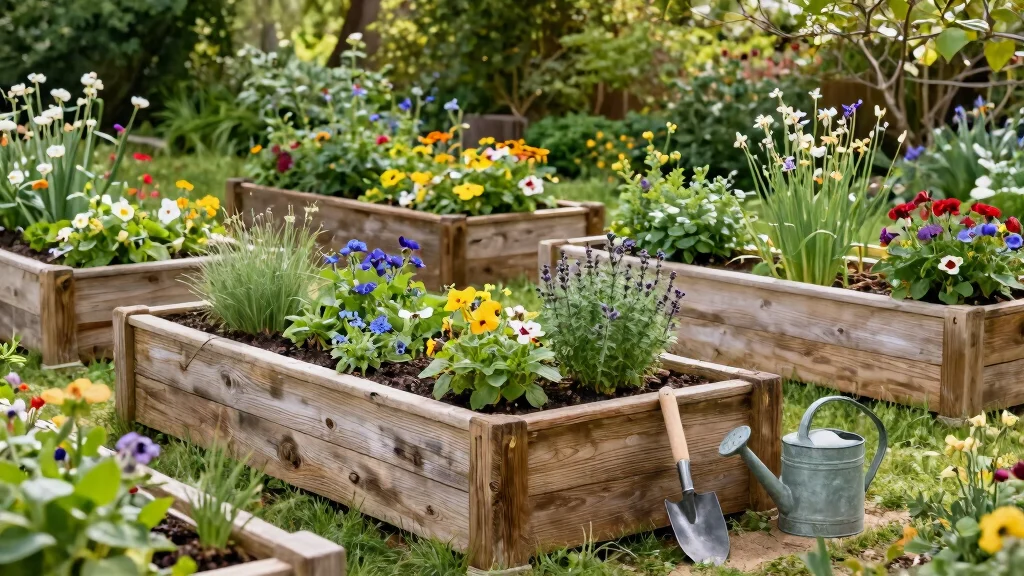
When spring rolls around, I find myself craving a fresh touch in my garden. There’s something special about the rustic charm of sleeper raised beds that just makes a garden feel more inviting and alive. Whether you want to grow your own herbs, create a cozy space for your kids to explore, or attract beautiful pollinators, these beds can transform your outdoor area into a delightful retreat. If you’re looking to embrace a rustic garden design that’s both eco-friendly and stylish, this post is for you.
This guide is perfect for garden enthusiasts, DIY lovers, and anyone who wants to add character to their outdoor space. You’ll discover eight creative ideas for sleeper raised beds that will not only look stunning but also serve practical purposes. From vibrant flower oases to edible landscapes, you’ll find inspiration that aligns with your gardening goals. Each idea is designed to help you maximize your garden’s potential while embracing the beauty of reclaimed wood. Get ready to roll up your sleeves and dig into some exciting projects!
Key Takeaways
– Explore unique raised bed ideas: Discover various styles, including herb gardens, vibrant flower beds, and edible landscapes that enhance your garden’s charm.
– Engage children in gardening: Create a rustic children’s garden where kids can learn and play, making gardening a family activity.
– Attract pollinators: Design a pollinator paradise with flowers that invite bees and butterflies, promoting biodiversity in your garden.
– Maximize space with vertical gardening: Use sleeper beds creatively to implement vertical gardening, allowing you to grow more in limited space.
– Add seasonal decor: Learn how to incorporate seasonal decorations into your sleeper beds, bringing a festive feel to your outdoor area throughout the year.
1. Cozy Herb Garden Sleeper Bed

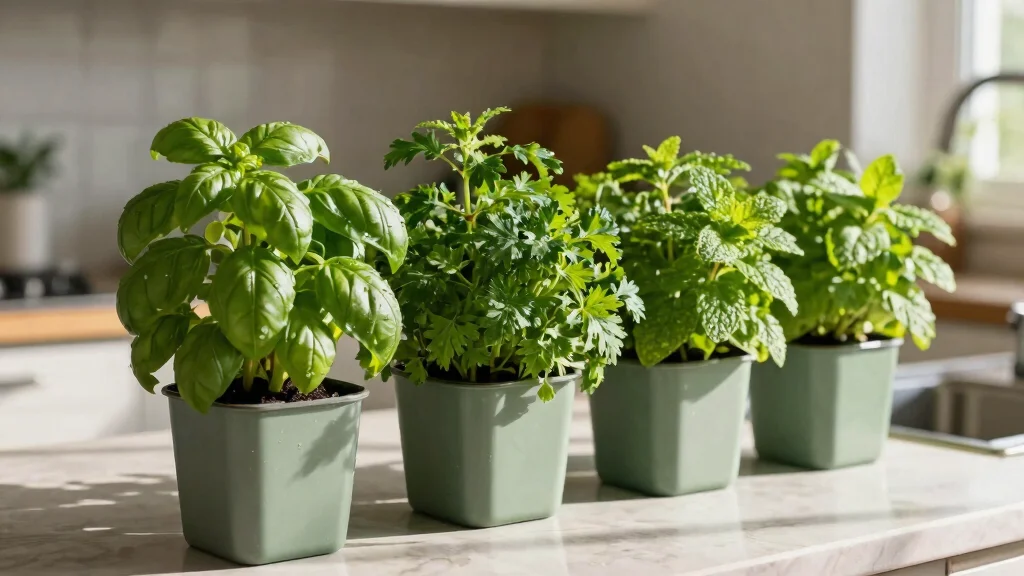
Imagine stepping outside to a fragrant herb garden right at your fingertips. A sleeper raised bed offers the perfect canvas to grow your favorite herbs while adding a rustic charm to your space. Position it close to your kitchen for easy access, and consider filling it with aromatic herbs like basil, thyme, and rosemary for culinary inspiration.
Start by selecting a rectangular design that clearly defines your herb garden. For a polished finish, enhance your bed with decorative edges made of stones or smaller wooden planks. Incorporate a trellis at the back for climbing herbs, such as mint, to maximize space and add height.
Key design tips:
– Use a rectangular sleeper design to define your herb garden.
– Add decorative edging with stones or smaller wooden planks for a polished look.
– Incorporate a trellis at the back for climbing herbs like mint.
Consider using recycled bricks for charming pathways between your beds, creating an inviting rustic atmosphere. A cozy herb garden not only enriches your cooking but also provides an engaging way for kids to learn about gardening.
Cozy Herb Garden Sleeper Bed
Editor’s Choice

Quictent Galvanized Raised Garden Bed 8x4x2 Ft Tall Metal Planter Box fo…


Seed Needs Italian Herb Seed Packet Collection (5 Individual Seed Variet…
2. Vibrant Flower Oasis

Bring your garden to life with a vibrant flower oasis crafted from sleeper raised beds. By mixing perennial and annual flowers, you can enjoy a colorful display that attracts pollinators and adds visual appeal year-round. This lively arrangement will transform your outdoor space into a welcoming retreat.
To create a stunning effect, layer your plants by height, placing taller flowers like sunflowers at the back and shorter blooms like marigolds at the front. Using mulch not only retains moisture but also enhances the rustic charm of your garden. For a dramatic look, plant flowers in clusters instead of staggered rows.
Creative design ideas:
– Layer plants by height for visual depth.
– Use mulch to retain moisture and enhance rustic appeal.
– Plant in clusters for dramatic visual impact.
Add rustic elements like weathered wooden signs or vintage stakes to increase the charm. The delightful aromas and lively colors create an inviting atmosphere, perfect for gatherings and relaxation.
Vibrant Flower Oasis
Editor’s Choice

Burpee Wildflower 25,000 Bulk, 1 Bag | 18 Varieties of Non-GMO Flower Se…

Miracle-Gro Organic All Natural Mulch for Landscaping – Bagged and Shred…

Quictent Raised Garden Bed Galvanized Raised Beds for Gardening Vegetabl…
3. Edible Landscape with Sleeper Decking

Create an edible landscape that blends beauty with functionality using sleeper raised beds. This approach allows you to grow vegetables, fruits, and decorative flowers in a stunning arrangement that offers both aesthetics and sustenance. The result is a garden that nourishes your body and pleases your eyes.
Maximize space by constructing tiered beds with sleeper wood, allowing for varied height and depth. Introduce colorful edible flowers, like nasturtiums, among your vegetables, such as kale or chard, for an eye-catching display. Use vertical gardening techniques with trellises to support climbing plants like beans or peas.
Essential features:
– Use sleeper wood to create tiered beds for depth.
– Plant colorful edible flowers among vegetables for beauty.
– Incorporate vertical gardening techniques with trellises.
Not only does this design look spectacular, but it also encourages biodiversity. An edible landscape provides fresh produce right from your backyard, making gardening both rewarding and practical.
Edible Landscape with Sleeper Decking
Editor’s Choice

Seed Needs Nasturtium Seeds Jewel Mix Multicolored Edible Flowers | 1.5 …

Yaheetech 8×2ft Wooden Horticulture Raised Garden Bed Divisible Elevate…

SUNNYPARK Antique Garden Iron Trellis with Decorative Hummingbirds Detac…
4. Rustic Children’s Garden

Engage your little ones in the joys of gardening by creating a dedicated children’s garden with sleeper raised beds. This fun space can feature easy-to-grow plants and vibrant flowers that capture their imagination. It’s a wonderful way to inspire a love for nature.
Opt for shorter raised beds to make gardening accessible for children. Choose delightful plants like sunflowers, zinnias, or snap peas that are simple to care for and exciting to watch grow. Add whimsical touches, such as painted rocks or homemade garden markers, to spark their creativity and make the experience even more enjoyable.
Fun ideas to consider:
– Use shorter raised beds for easy access.
– Choose easy-to-grow plants that are fun to tend.
– Include whimsical elements like painted rocks for creativity.
This playful garden not only teaches kids about nature but also fosters responsibility and the joy of watching their efforts bloom into beautiful plants or tasty snacks!
You might also like

How To Choose the Right Sleeper Raised Beds
Choosing the perfect sleeper raised beds for your garden can elevate your outdoor space, offering both functionality and rustic charm. Here are some key factors to consider:
1. Size Matters
Think about the size of your space and what you want to grow. Sleeper raised beds can range from small 4×4 feet beds to larger 4×8 feet or beyond. If you have limited space, smaller beds can be more manageable and easier to maintain. For larger gardens, consider longer beds that allow for more plant variety.
2. Material Selection
Reclaimed wood is a popular choice for sleeper raised beds, giving your garden a rustic look. Ensure that the wood is untreated to prevent chemical leaching into the soil. Other materials include composite wood or even stone. Each has its own lifespan and aesthetic appeal. Compare longevity and maintenance requirements to find what’s best for you.
3. Depth and Height
The depth of your sleeper raised beds impacts plant growth. Aim for a depth of at least 12 inches to allow roots to grow deeply. The height of the bed can also be important. If bending down to garden is difficult for you, consider higher beds which can reduce strain on your back.
4. Soil Type
The soil mixture you use in your raised beds can determine the success of your garden. Opt for a blend of topsoil, compost, and other organic matter. This ensures that your plants receive the nutrients they need. Always test your soil pH to ensure it’s suitable for the plants you’re growing.
5. Budget Considerations
Determine how much you want to spend on your sleeper raised beds. Prices can vary widely based on materials and size. While reclaimed wood may be cost-effective, it often requires more labor to prepare. Make a budget and stick to it, factoring in potential costs for soil and plants as well.
6. Design and Aesthetic
Your sleeper raised beds should fit into your overall garden design. Rustic designs can be complemented with additional features such as trellises or seating areas. Think about how you want your garden to look and choose bed designs that align with that vision. You can also paint or stain the wood for a personalized touch.
Pro Tip: Before making a final decision, sketch your garden layout. This way, you can visualize your sleeper raised beds in your space and make adjustments as needed. Don’t forget to consider sunlight and water access for your plants!
Rustic Children’s Garden
Editor’s Choice
Utopia Home Galvanized Raised Garden Bed Kit 4x2x1ft, Planter Box Raised…

KVITER 100 Sugar Snap Peas Seeds (Pisum sativum) – Sweet Pea Heirloom …
Grenebo Kids Gardening Set Toys, Quality Garden Tool Kit for Kids and To…
5. Pollinator Paradise

Create a welcoming haven for pollinators with sleeper raised beds brimming with nectar-rich plants. This garden will not only support essential insects like bees and butterflies but also enhance the beauty of your outdoor space. Encouraging these beneficial creatures is crucial for a healthy ecosystem.
Choose plants that attract pollinators, such as lavender, bee balm, and echinacea. Group different species together to create clusters, making it easier for pollinators to find food. Adding a small water source, like a shallow dish, provides thirsty visitors with a refreshing drink.
Essential plant choices:
– Include plants like lavender, bee balm, and echinacea.
– Group different species to create clusters for pollinators.
– Add a small water source for thirsty visitors.
This design will enrich your garden with life, creating a dynamic atmosphere filled with buzzing bees and fluttering butterflies. Observing these creatures thrive is both rewarding and educational.
Pollinator Paradise begins with sleeper raised beds filled with nectar-rich blooms. Plant lavender, bee balm, and echinacea, and watch bees and butterflies turn your garden into a buzzing, beautiful haven.
Pollinator Paradise
Editor’s Choice

Seed Needs Panorama Mixed Bee Balm Seeds for Planting – Heirloom & Open …
Yaheetech 8×2ft Wooden Horticulture Raised Garden Bed Divisible Elevate…

Zoo Med Laboratories SZMFD20 Repti-Rock Food Dish, Small
6. Vertical Gardening with Sleeper Beds
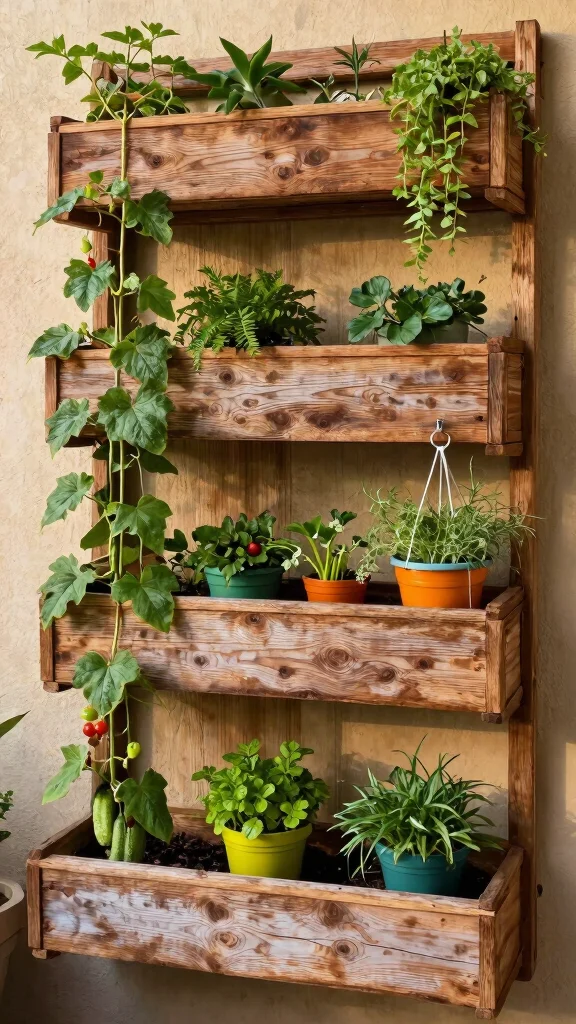
Maximize your gardening potential by employing vertical techniques with sleeper raised beds. This innovative approach saves space while adding unique layers to your garden design, making it visually interesting and functional.
Construct tiered sleeper beds to create varying heights, allowing for better plant spacing and sunlight exposure. Attach trellises or hang pots on the sides of raised beds for climbing plants, such as cucumbers or tomatoes. Use hanging planters for herbs or trailing plants to add a creative twist to your gardening.
Vertical gardening ideas:
– Build tiered sleeper beds for varied heights.
– Attach trellises for climbing plants like cucumbers or tomatoes.
– Incorporate hanging planters for a unique look.
This approach is perfect for smaller backyards, allowing you to enjoy gardening without extensive ground space. It also adds depth and variety, creating a stunning visual display.
Fun Fact: Sleeper raised beds unlock vertical gardening power in compact spaces. Build tiered sleepers and add trellises for cucumbers and tomatoes, boosting sunlight exposure and airflow while dramatically increasing your harvest potential with simple, eco-friendly design.
📹 Related Video: VERTICAL OAK SLEEPER RAISED BED – Complete Build
Vertical Gardening with Sleeper Beds
Editor’s Choice
2 Pack 30 Inch Taller Plant Trellis for Potted Climbing Plants Indoor,Ex…
Utopia Home Galvanized Raised Garden Bed Kit 4x2x1ft, Planter Box Raised…

iPower 2-Pack Hanging Vertical Wall Planter 7 Pockets Upgraded Deeper Wa…
7. Charming Rustic Seating Area

Enhance the beauty of your garden by creating a cozy seating area surrounded by sleeper raised beds. This design combines functionality with aesthetics, providing a perfect spot to relax and enjoy your garden’s bounty.
Use reclaimed wood to craft benches or rustic chairs that blend seamlessly into the natural surroundings. Surround your seating area with raised beds filled with a variety of plants, adding to the immersive experience. Consider adding decorative touches like lanterns, cushions, or a small table for drinks to create a welcoming atmosphere.
Seating tips:
– Use reclaimed wood for benches that match your garden theme.
– Surround seating with plants for an immersive experience.
– Add decorative touches like lanterns for charm.
This delightful retreat allows you to unwind while surrounded by vibrant blooms and the soothing sounds of nature, making it an ideal space for relaxation or socializing.
You Might Also Like


Charming Rustic Seating Area
Editor’s Choice

Rosenthal Collection Solid Wood Watchmakers Bench

Outdoor Bench Cushion, Tufted Patio Seat Pad for Garden Bench, Porch Swi…
Decorative Metal Lanterns Indoor Outdoor, Set of 3 Farmhouse Lantern Hol…
8. Seasonal Decor with Sleeper Beds

Celebrate the beauty of changing seasons by decorating your sleeper raised beds. This approach allows you to showcase seasonal plants and decorative elements, keeping your garden dynamic and visually appealing throughout the year.
In spring, fill beds with colorful tulips and daffodils, adding whimsical touches like painted rocks or garden gnomes. For summer, feature sunflowers and vibrant zinnias, enhanced with fairy lights strung along the beds. As autumn approaches, consider adding pumpkins or cornstalks for a harvest theme, while winter can bring evergreens or festive decorations.
Seasonal decoration ideas:
– In spring, plant colorful tulips and daffodils.
– For summer, feature sunflowers with fairy lights.
– In autumn, add pumpkins for a harvest theme.
This creative approach not only keeps your garden fresh but also lets you express your personality, making it a delightful space to enjoy year-round.
Seasonal decor with sleeper raised beds keeps your garden vibrant all year. In spring, plant tulips and daffodils; in summer, swap in sunflowers and zinnias. Simple touches like painted rocks and garden gnomes make it easy to decorate and delight visitors.
Seasonal Decor with Sleeper Beds
Editor’s Choice


NAMTSO Glow in The Dark Rocks Outdoor, 500 pcs Blue Solar Rocks for Land…

twinbling Garden Gnome Statue with Solar Lights Garden Sculptures Funny …
Conclusion

Incorporating sleeper raised beds into your garden design not only enhances its rustic charm but also promotes sustainable gardening practices. From cozy herb gardens to vibrant flower oases, each idea offers a unique way to create a lush, inviting outdoor space. As you embark on this gardening journey, remember that the beauty lies in blending creativity with eco-friendly practices. Let your garden reflect your personality and values, turning it into a serene retreat for you and your loved ones to enjoy.
Note: We aim to provide accurate product links, but some may occasionally expire or become unavailable. If this happens, please search directly on Amazon for the product or a suitable alternative.
This post contains Amazon affiliate links, meaning we may earn a small commission if you purchase through our links, at no extra cost to you.
Frequently Asked Questions
What exactly are sleeper raised beds and why should I choose reclaimed wood for a rustic garden design?
Sleeper raised beds are garden beds formed from thick wooden sleepers that create sturdy side walls and deep planting space. Choosing reclaimed wood is ideal for eco-friendly gardening because it recycles materials and adds authentic rustic charm to your rustic garden design. For edible crops, opt for untreated or rot‑resistant sleepers and line the interior with landscape fabric to protect the soil and extend the bed’s life. Pre‑drill and use corrosion‑resistant screws to prevent cracking, and consider a natural oil finish to keep the wood looking good without harsh chemicals. Typical layouts run about 4–8 ft long and 12–18 inches deep, giving you versatile space to mix vegetables and ornamentals with style. With sleeper raised beds you can achieve a warm, rustic look while practicing eco-friendly gardening.
How should I plan the layout and size of sleeper raised beds to fit my space?
Start by measuring your space and thinking about accessibility. For a classic rustic look and practical gardening, aim for bed depths of 12–18 inches and lengths of 4–8 feet. Use curved or straight edges to create a cottage-style layout; grouping several beds together with gravel paths or stepping stones adds charm and makes maintenance easier. When planning, leave 2–3 feet of walkways between beds for easy reach and air circulation. If you have a small yard, try a multi‑bed, L‑shape, or circular arrangement to maximize garden bed ideas while keeping the design functional. With sleeper raised beds, you can scale up or down to suit your space and budget, and this setup follows practical outdoor gardening tips for accessibility and drainage.
What safety and durability considerations should I keep in mind when building sleeper wood raised beds?
Use reclaimed sleepers that are rot‑resistant and, if possible, untreated to keep the growing area safe for edibles. Line the interior with landscape fabric to separate soil from timber and extend the bed’s life. Pre‑drill and use stainless steel or corrosion‑resistant screws to prevent rust and wood splitting. Check sleepers for cracks or insect damage before assembly. Elevate planters to a comfortable height to avoid back strain, and consider a small lip to keep soil from spilling. Regular seasonal inspections help catch rot early. This approach aligns with sleeper wood projects and eco-friendly gardening.
What soil mix and planting tips work best for sleeper raised beds to maximize yields?
For a rich, well‑draining mix, aim for about 60–70% topsoil or compost, 30–40% high‑quality compost, and a touch of perlite or coarse sand for drainage. Add organic matter like aged manure or leaf mold, and keep pH around 6.0–7.0 for most vegetables and ornamentals. Mulch to retain moisture and reduce weeds. Start with nutrient-dense crops, rotate them yearly, and consider companion planting for natural pest control. Keep beds well‑fed with a slow‑release fertilizer and top up soil each season. These practices fit well with raised garden beds and garden bed ideas.
How can I maintain a rustic look while keeping sleeper raised beds durable and eco-friendly over time?
Maintain the rustic charm by using reclaimed sleepers and natural finishes like tung oil or linseed oil instead of harsh sealants. Re‑stain or oil every couple of years to protect the wood, and fill any gaps with soil or mulch to deter weeds. Keep edges tidy with stone or brick to enhance the rustic garden design. Schedule periodic checks for rot and insect damage, and replace sleepers as needed to maintain safety and structure. Embrace sustainable gardening by reusing materials, composting, and avoiding chemical treatments in your soil. These tips align with eco-friendly gardening and outdoor gardening tips.
Related Topics
sleeper raised beds
rustic garden design
eco-friendly gardening
reclaimed wood projects
raised garden beds
outdoor gardening tips
garden bed ideas
DIY gardening
sustainable gardening
beginner friendly
seasonal planting
landscaping ideas