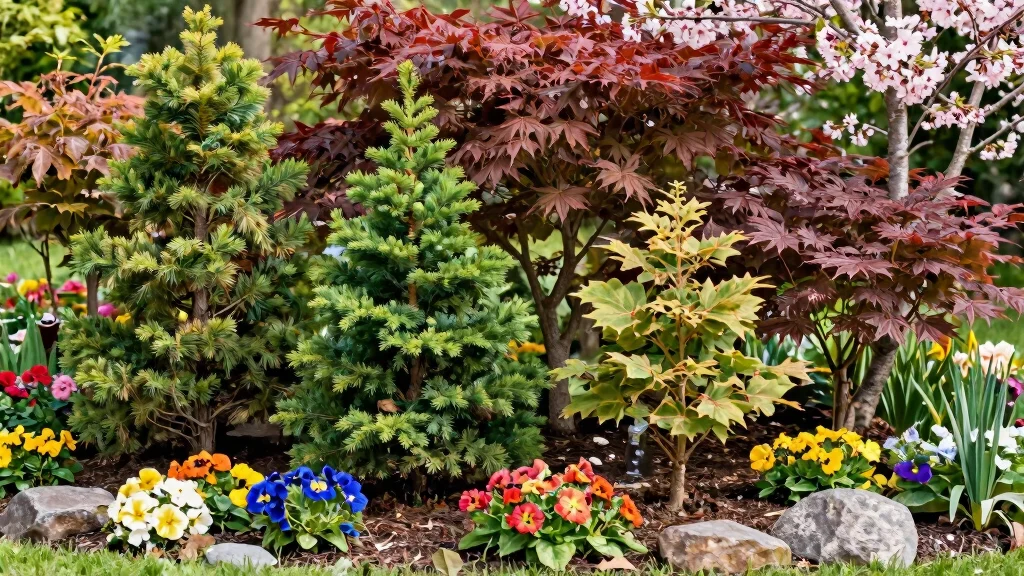
Creating a beautiful flower bed can feel overwhelming, especially when you want it to look stunning all year round. If you’re like many gardeners, you might find yourself craving that perfect combination of height, structure, and beauty. That’s why I put together this guide on small trees for flower beds that will not only enhance your garden but also give it an elegant touch without taking up too much space.
This post is for urban gardeners and flower bed enthusiasts who want to make the most of their limited space. You care about aesthetics, low-maintenance options, and trees that bring seasonal beauty to your garden. Whether you’re just starting your gardening journey or looking to elevate your existing flower beds, this guide is tailored to help you make informed choices.
In the following sections, you’ll discover seven small trees that thrive in flower beds. Each tree listed brings unique charm and visual appeal, transforming your garden into a year-round spectacle. From colorful blooms in spring to striking foliage in fall, these selections will add structure and height to your flower beds, making them a focal point in your outdoor space.
Key Takeaways
– Discover seven small trees ideal for enhancing urban flower beds with beauty and structure.
– Explore options including dwarf trees for landscaping that require minimal upkeep, perfect for busy gardeners.
– Learn about flowering trees for small spaces that offer seasonal color and interest.
– Find practical tips for incorporating ornamental trees for gardens that thrive in various climates.
– Understand how to create year-round garden features that keep your outdoor space lively and inviting.
1. Dwarf Alberta Spruce: The Perfect Pillar

Looking to add a touch of elegance to your garden? The Dwarf Alberta Spruce is the perfect solution for small spaces. Its tall, narrow silhouette and dense, conical shape create a striking focal point, while the rich green needles provide a refreshing splash of color year-round. This charming evergreen is not just beautiful; it’s also practical, thriving in various settings and conditions.
For optimal growth, plant it in well-drained soil and ensure it receives adequate sunlight. You can also mix it with other vibrant flowering plants to create delightful contrasts. This tree is not only low-maintenance but also drought-resistant, making it an ideal choice for busy gardeners.
Key features to consider:
– Height: Grows to about 3-4 feet, perfect for tight spaces
– Care: Low-maintenance and drought-resistant, thriving in urban environments
– Seasonal Charm: Evergreen foliage keeps your garden vibrant all year long
Incorporating this small tree into your flower bed will enhance your outdoor space, providing consistent beauty and structure throughout the seasons.
Dwarf Alberta Spruce: The Perfect Pillar
Editor’s Choice

Miracle-Gro Organic Outdoor Potting Mix – Plant Soil for Outdoor Contain…

Back to the Roots 25.7qt (1 Cubic ft) Organic Premium Mulch

2. Japanese Maple: A Colorful Accent
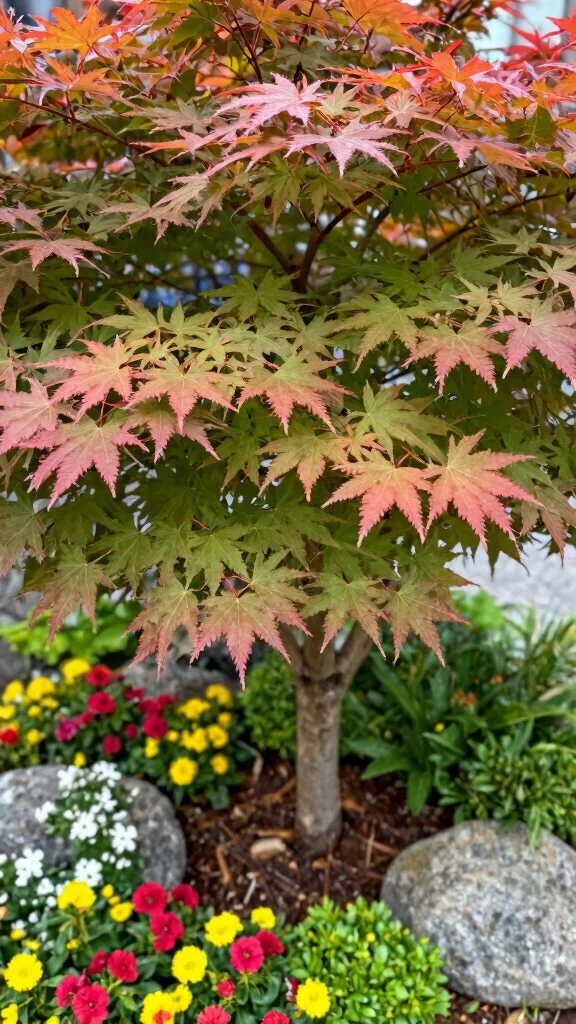
If drama and color are what you seek, the Japanese Maple is an exceptional choice for your flower bed. With its breathtaking leaves that change hues from deep reds to vibrant greens, this tree adds dynamic visual interest throughout the year. Its delicate, intricate foliage not only enhances your garden’s aesthetics but also creates a serene atmosphere.
To make the most of this tree’s beauty, consider planting it in a location where it receives filtered sunlight. Pair it with lighter-colored flowers to create stunning contrasts that draw the eye. Whether used as a standalone feature or combined with other plants, this tree adds depth and character to any landscape.
Essential details to remember:
– Size: Grows between 4-12 feet, adaptable for smaller spaces
– Foliage: Intricate leaves offer unique textures and colors
– Versatility: Great as a focal point or part of a layered arrangement
Adding a Japanese Maple to your garden will transform it into a vibrant tapestry of colors, elevating your outdoor experience.
Japanese Maple: A Colorful Accent
Editor’s Choice
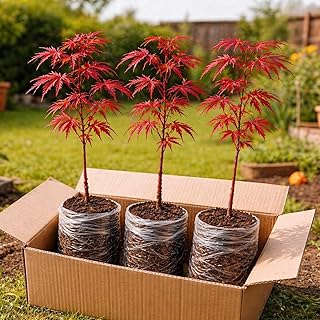
3-Pack Japanese Red Maple Seedlings (12-18″ Tall) – Dormant Bare Root …

Back to the Roots 25.7qt (1 Cubic ft) Organic Premium Mulch
3. Flowering Cherry: A Springtime Showstopper

For a breathtaking spring display, look no further than the Flowering Cherry tree. Its stunning pink or white blossoms create a picturesque scene, turning your flower bed into a dreamy landscape each spring. This tree is not only beautiful but also attracts pollinators, contributing to a healthier garden ecosystem.
To maximize its impact, plant it where it can be easily admired from various angles. Combine it with spring-flowering bulbs to enhance its magical effect and bring a burst of color to your outdoor space. The flowering cherry is a wonderful way to celebrate the arrival of spring each year.
Key points to note:
– Bloom Time: Early spring showcases eye-catching flowers
– Height: Generally reaches 15-20 feet, with dwarf varieties for smaller gardens
– Focal Point: Serves as a captivating centerpiece in your landscape
Incorporating a Flowering Cherry tree will bring seasonal joy and beauty, captivating everyone who passes by.
Plant a Flowering Cherry where you’ll see it from your kitchen window—the blooms are worth the daily pause. As one of the best small trees for flower beds, it draws pollinators and pairs beautifully with spring bulbs. Tip: stagger planting for a longer, breathtaking show.
Flowering Cherry: A Springtime Showstopper
Editor’s Choice
Back to the Roots 25.7qt (1 Cubic ft) Organic Premium Mulch

Seeds – Japanese Cherry Blossom Tree Seeds – Sakura Tree Seeds – Prunus …
4. Eastern Redbud: Pink-Petaled Perfection

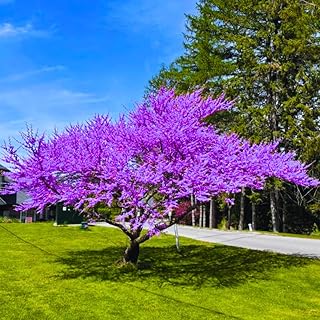
The Eastern Redbud is a delightful choice, known for its vibrant pink flowers that herald the arrival of spring. Its blooms emerge before the leaves, creating a stunning spectacle that is sure to brighten any flower bed. This tree not only adds beauty but also attracts various birds and pollinators, enriching your garden’s ecosystem.
For the best results, plant it in a spot with full sun to partial shade and consider pairing it with other flowering plants to enhance its visual appeal. The heart-shaped leaves provide additional texture that complements its colorful blooms beautifully.
Important features include:
– Size: Reaches about 10-20 feet, ideal for compact gardens
– Unique Foliage: Heart-shaped leaves add visual interest year-round
– Wildlife Friendly: Attracts birds and pollinators, enhancing your garden’s life
Adding an Eastern Redbud will infuse your garden with vibrant colors and life, creating a lively and inviting atmosphere.
Fun fact: As one of the small trees for flower beds, the Eastern Redbud offers 7–14 days of pink blooms before the leaves appear. Plant in full sun to partial shade and pair with other flowering plants to attract pollinators.
📹 Related Video: Planting a Rising Sun Redbud, New Oakleaf Hydrangeas & Pulmonaria by the Pond! 😍🌿💦
You might also like

Ongoing Maintenance & Care Guide
Maintenance Schedule:
Daily/Weekly Tasks:
– Water your small trees thoroughly if the soil feels dry. This usually takes about 10-15 minutes. 🌱
– Check for any fallen leaves or debris around the base of the trees. Cleaning this up takes around 5 minutes. 🍂
– Inspect the trees for signs of pests or disease. Spend about 10 minutes looking for any unusual spots or insects. 🔍
Monthly/Seasonal Tasks:
– Prune dead or damaged branches to encourage healthy growth. This may take about 30 minutes. ✂️
– Fertilize your dwarf trees with a slow-release fertilizer, which should take around 15-20 minutes. 🌿
– Mulch around the base to retain moisture and suppress weeds, which can take about 20 minutes. 🪴
– Replace any mulch that has degraded or compacted, typically every 3-6 months, taking about 30 minutes. 🕒
– Monitor the trees for any signs of stress, especially during extreme weather, which could take about 10 minutes. ⏱
Maintenance Summary Table:
| Task | Frequency | Difficulty | Time Needed |
|——————————-|——————-|————|————–|
| Watering | Daily/Weekly | Easy | 10-15 mins |
| Cleaning debris | Daily/Weekly | Easy | 5 mins |
| Pest/Disease inspection | Daily/Weekly | Easy | 10 mins |
| Pruning | Monthly/Seasonal | Moderate | 30 mins |
| Fertilizing | Monthly/Seasonal | Easy | 15-20 mins |
| Mulching | Monthly/Seasonal | Easy | 20 mins |
| Replacing mulch | Every 3-6 months | Easy | 30 mins |
| Stress monitoring | Monthly | Easy | 10 mins |
Common Issues to Watch For:
⚠️ Look for these warning signs:
– Yellowing leaves: This could mean your tree is getting too much water or not enough nutrients. Check the soil moisture and consider fertilizing. 🟡
– Wilting leaves: This often indicates a lack of water. Make sure to check the soil regularly to prevent drought stress. 💧
– Bark cracks or lesions: These could suggest disease or pest issues. Inspect closely for pests or decay. 🐛
– Leaf drop: If your tree is losing leaves outside of its normal seasonal cycle, it might be stressed. Reassess your watering and care schedule. 🍂
– Discoloration in the branches: This may signal disease. Investigate and consider consulting a gardening expert if you notice this. 🌳
Care Tips:
💡 Here are some practical tips to keep your trees healthy:
– Water your trees deeply but less frequently. This encourages root growth and helps them become more drought-resistant. Aim for once a week during dry spells. 💦
– Use organic mulch. It not only retains moisture but also improves soil quality as it breaks down. Apply a 2-3 inch layer around the base. 🌾
– Rotate your fertilizer. Use different types in the spring and fall to provide balanced nutrients. This helps your trees thrive year-round. 🥕
– Keep an eye on seasonal changes. Adjust your care routine based on the seasons. For instance, increase watering during hot summer months and reduce it in the winter. 🌡
– Learn about your specific trees. Each type of small tree has its own unique needs. Research or keep a care journal to track what works best for your trees. 📚
Eastern Redbud: Pink-Petaled Perfection
Editor’s Choice
2 Eastern Redbud Trees Live Plants Dormant Seedling, 6 to 14 Inches Tall…

Burpee Wildflower 25,000 Bulk, 1 Bag, 18 Varieties of Non-GMO Flower See…
5. Weeping Cherry: Cascading Beauty

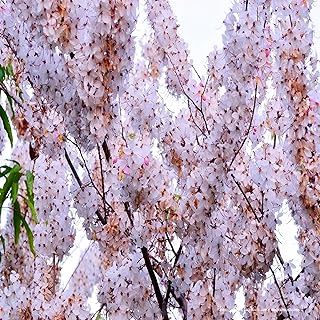
For those seeking a touch of whimsy, the Weeping Cherry tree is the ideal choice. Its gracefully drooping branches and lovely blossoms create a captivating focal point in any flower bed. This tree offers both seasonal beauty and visual interest, making it a standout feature in your garden.
Consider planting it alongside ground-covering plants to allow its branches to cascade down beautifully. The combination of spring blooms and stunning fall foliage ensures that this tree remains a visual delight throughout the year.
Key aspects to consider:
– Size: Typically grows to about 15-25 feet, with dwarf varieties for limited spaces
– Visual Impact: The cascading branches create a striking focal point
– Seasonal Charm: Soft pink flowers in spring and vibrant fall colors
Planting a Weeping Cherry will add a whimsical charm to your garden, making it a delightful retreat for relaxation and enjoyment.
Fun fact: Weeping cherry trees add 6–8 feet of cascading drama to small trees for flower beds. They bloom for 2–3 weeks in spring, then shimmer with stunning fall color—perfect when paired with ground-covering plants to let branches spill freely.
Weeping Cherry: Cascading Beauty
Editor’s Choice

Brighter Blooms – Snow Fountains® Weeping Cherry Tree, 3-4 ft. – No Ship…

Higan Japanese Pink Weeping Cherry Tree – Live Plant Shipped 1 to 2 Feet…

Shidare Yoshino Japanese Weeping Cherry – White Flowering Tree – Live Pl…
Weeping Yoshino Cherry Tree Live Plant – Flowering Ornamental Tree with …

Weeping Cherry Blossom Tree, 4-10 Inch Tall in 2.5 Pot, Live Plant, Dwar…
6. Serviceberry: Sweet and Scenic

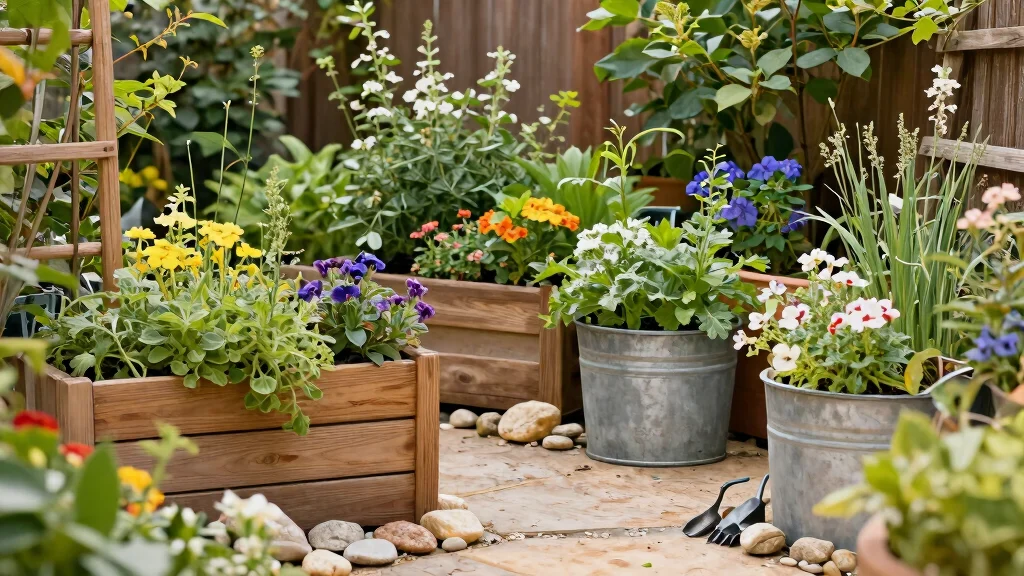
Don’t overlook the Serviceberry tree, a hidden gem that brings beauty and interest to your flower bed. With enchanting spring blooms, delicious summer berries, and vibrant fall foliage, this tree offers a delightful array of features throughout the year. Its multi-season appeal makes it a fantastic addition to any garden.
To enhance its beauty, pair it with colorful perennials for a striking contrast. The sweet berries in summer are not only a treat for you but also attract birds, enhancing your garden’s wildlife diversity.
Key features of the Serviceberry:
– Size: Typically grows between 15-25 feet, with smaller varieties available
– Year-Round Interest: Flowers, berries, and fall colors provide continuous beauty
– Wildlife Friendly: Attracts birds and beneficial insects, enriching your garden’s ecosystem
Incorporating a Serviceberry tree will create a vibrant and inviting space, filled with life and beauty across all seasons.
You Might Also Like
Serviceberry: Sweet and Scenic
Editor’s Choice

Espoma Organic Garden-Tone 3-4-4 Organic Fertilizer for Cool & Warm Seas…
Back to the Roots 25.7qt (1 Cubic ft) Organic Premium Mulch
Seed Needs Flower Seeds Hummingbird and Butterfly Seed Mix 1 Ounce No Fi…
7. Little Leaf Linden: A Classic Choice

The Little Leaf Linden is a classic choice for any garden, characterized by its lovely rounded canopy and heart-shaped leaves. This tree adds height and texture without overwhelming your flower bed, making it perfect for creating a balanced landscape.
For best results, plant it where it can provide shade to surrounding plants, enhancing their growth and adding depth to your garden design. Its fragrant summer blooms attract pollinators, further enriching your outdoor space.
Key highlights include:
– Size: Grows around 25-30 feet, with smaller options available for tight spaces
– Fragrant Flowers: Produces small, fragrant blooms in summer that draw in pollinators
– Shade Provider: Offers cooling shade in smaller gardens while maintaining a light presence
Adding a Little Leaf Linden will enhance your garden’s charm, creating a serene and inviting oasis for you and your guests.
Little Leaf Linden: A Classic Choice
Editor’s Choice
4 oz Linden Tea Dried Linden Flower Tea Blossom Herbal (Tilia Cordata) -…
Back to the Roots 25.7qt (1 Cubic ft) Organic Premium Mulch
Conclusion

Incorporating small trees into your flower beds not only enhances the visual appeal of your garden but also adds depth and interest throughout the seasons. Whether you choose a Dwarf Alberta Spruce for its classic charm or a Flowering Cherry for its breathtaking blooms, these trees will transform your outdoor space into a vibrant oasis. Embrace the beauty of these small trees and enjoy a garden that captivates all year long!
Note: We aim to provide accurate product links, but some may occasionally expire or become unavailable. If this happens, please search directly on Amazon for the product or a suitable alternative.
This post contains Amazon affiliate links, meaning we may earn a small commission if you purchase through our links, at no extra cost to you.
Frequently Asked Questions
Question: What are the best small trees for flower beds to add height and year-round interest?
Choosing the right small trees for flower beds helps you add height and structure without overcrowding. For small trees for flower beds, pick dwarf cultivars with a compact mature size and good branching. Favor ornamental trees for gardens that give spring blossoms, striking foliage, and winter texture for robust year-round garden features. Check site conditions: sun exposure, soil type, drainage, and whether you want evergreen structure. Space them according to adult width (commonly 6-8 ft apart) and plan to mix in flowering trees for small spaces and evergreens for continuous interest.
Question: How tall do these dwarf trees for landscaping typically grow and how quickly?
Most dwarf trees for landscaping stay within about 6-12 feet tall, with many staying under 8 feet. Growth rates vary by species and climate—some are slow-growing (only 2-3 inches per year), others are moderate. To manage height, choose a cultivar labeled as dwarf, provide appropriate sun, water, and soil, and prune lightly after flowering to maintain shape.
Question: Which low-maintenance small trees are ideal for urban flower beds?
For urban spaces, look for low-maintenance small trees that tolerate compact soils and pollution but still deliver color or structure. Good options include dwarf flowering cherries, dwarf crape myrtles, compact lilacs, and small hawthorns. Check disease resistance for your zone, ensure well-drained soil, and mulch to conserve moisture. Plant with enough space for air circulation and prune after flowering to keep your ornamental trees for gardens tidy.
Question: What maintenance is required to keep small trees for flower beds healthy throughout the year?
Maintenance is straightforward and seasonal. Water deeply the first year to establish roots, then mulch to 2-3 inches to retain moisture. Prune selectively after blooms to shape without sacrificing next year’s flowers. Feed lightly in early spring if soil is poor, and monitor for pests or diseases common to your varieties. In winter, protect young trees from harsh winds and consider staking if needed. This approach helps your small trees for flower beds stay healthy and keep delivering year-round garden features.
Question: How can I maximize year-round beauty in a small-space garden using dwarf ornamental trees?
Plan for seasonal drama by layering height with ornamental trees for gardens, evergreens for winter structure, and flowering varieties for spring and summer color. Pair contrasting foliage and bark textures to maintain interest even when flowers aren’t in bloom. Combine with flowering shrubs and compact groundcovers to create year-round garden features, and choose varieties suited to flowering trees for small spaces so you get impact without crowding. Finally, consider container planting for flexibility in microclimates and sun exposure.
Related Topics
small trees for flower beds
dwarf trees for landscaping
ornamental trees for gardens
low-maintenance trees
flowering trees
urban gardening
year-round beauty
easy care plants
space-saving trees
flower bed design
seasonal interest
beginner gardening