
Creating a beautiful garden can be both rewarding and challenging. With urban spaces getting smaller, you might find yourself craving a way to bring the great outdoors closer to home. That’s why I’ve put together this post on stone raised garden beds. These beds not only add a rustic charm but also serve as practical solutions for those looking to maximize their gardening potential.
If you’re someone who loves gardening but struggles with limited space, this guide is for you. Whether you’re a seasoned gardener or a newbie aiming to start your green thumb journey, you’ll find something inspiring here. I’ve gathered seven creative ideas for stone raised garden beds that are not only visually appealing but also easy to implement. Each idea will help you create a natural and rustic garden look that fits perfectly into your urban context.
Get ready to discover a variety of stone raised garden bed concepts that embrace the beauty of natural stone landscaping. From classic granite to artistic riverstone designs, these ideas will transform your outdoor space into a tranquil haven. You’ll get practical tips and inspiration to make your next gardening project a reality while enhancing the aesthetic of your small urban garden.
Key Takeaways
– Diverse Materials: Explore different stones like granite, slate, and riverstone for unique raised bed designs that reflect your style.
– Rustic Appeal: Incorporate rustic garden design elements to blend your raised beds seamlessly into the natural environment.
– Space-Saving Solutions: Utilize stone raised beds to optimize limited outdoor space while growing a variety of plants.
– Practical Features: Learn how stone can provide not only beauty but also durability and drainage benefits for your garden.
– Creative Ideas: Get inspired by fresh concepts to personalize your garden with stone features that stand out and draw attention.
1. Classic Granite Raised Beds
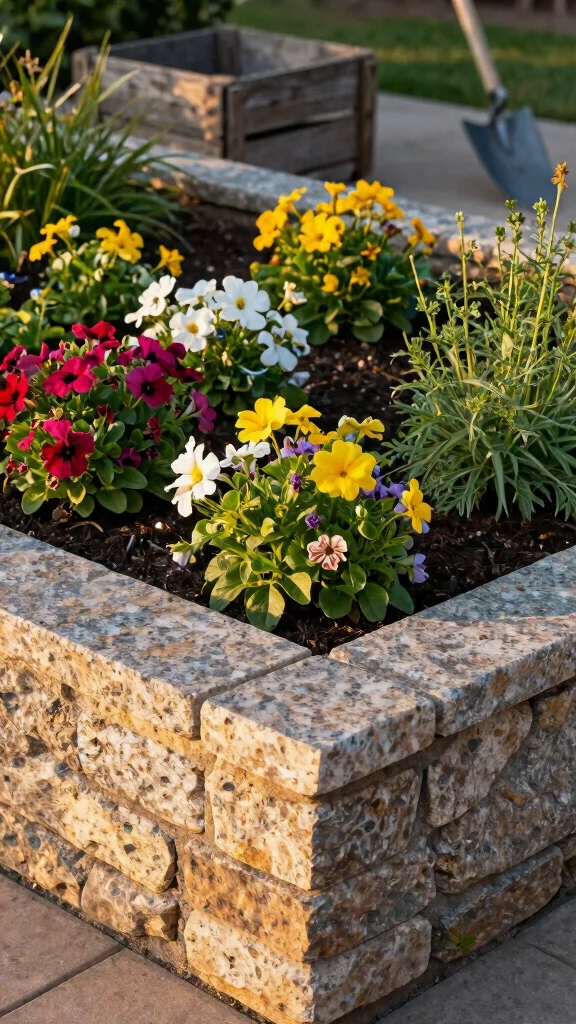
Granite raised garden beds offer a stylish and timeless addition to your garden space. Their strong, durable nature can withstand various weather conditions, making them a wise investment for any gardening enthusiast. Available in a range of stunning colors like gray, black, and rich brown, granite beautifully highlights the vibrant hues of your flowers and herbs. You’ll love how this material effortlessly enhances your garden’s aesthetic and creates a welcoming atmosphere.
To maximize the beauty of granite, think about varying the height of your stone layers for added dimension. Smaller granite stones can be used for a playful touch, while larger stones can define the garden’s structure. This natural look complements rustic designs and allows your plants to shine.
Key features to consider:
– Durable and weather-resistant
– Timeless elegance
– Pairs beautifully with colorful plants
– Customizable height and placement
Granite raised beds are a fantastic choice for creating a long-lasting, visually appealing garden that stands out throughout the seasons.
Fun fact: Stone raised garden beds made from granite can last 50+ years with proper drainage and sealing. Their durable, weatherproof design makes a small urban space feel timeless while showcasing vibrant flowers and herbs.
Classic Granite Raised Beds
Editor’s Choice
Utopia Home Galvanized Raised Garden Bed Kit 4x2x1ft, Planter Box Raised…

2. Rustic Slate Garden Beds

Slate garden beds are perfect for those who desire a rustic and earthy vibe in their outdoor spaces. With its layered texture and captivating colors, slate adds depth and character to your garden. You have the flexibility to arrange these stones in structured patterns or more natural, organic layouts, making them ideal for small gardens where creativity is essential.
This material not only enhances your garden’s beauty but also offers excellent insulation for plant roots, ensuring they thrive in various weather conditions. Mix perennials with annuals in your slate beds for a garden that blooms beautifully all year long.
Benefits of using slate:
– Natural insulation for plants
– Versatile design options
– Complements natural stone landscaping
– Great for urban gardens
Encourage moss or creeping plants to grow on your slate to enhance its rustic charm and help it blend seamlessly with the surrounding environment.
Rustic Slate Garden Beds
Editor’s Choice

Personalized Carpenter Memorial Slate Stone Creating Beyond the Clouds T…
3. Artistic Riverstone Beds

River stones can bring an artistic touch to your garden, thanks to their smooth surfaces and rounded shapes. They create a serene atmosphere, perfect for forming a peaceful retreat outdoors. Designing raised beds that mimic natural riverbanks can be particularly effective in smaller urban gardens, where unique details matter.
When constructing riverstone beds, consider using an array of stone sizes and shapes to achieve a dynamic look. Fill these beds with diverse plants such as vibrant flowers and low-growing ground covers for a lush, textured effect.
Key considerations for riverstone beds:
– Mix different sizes for visual interest
– Select plants that thrive in well-drained soil
– Create gentle curves to mimic nature
Riverstone beds not only enhance your garden’s appearance but also provide a versatile planting environment, ideal for creating a natural stone landscape.
Artistic Riverstone Beds
Editor’s Choice

FANTIAN 20 lbs Natural River Rocks Mexican Beach Pebbles, 2-3 Inch Decor…

Espoma Organic Raised Bed Mix – All Natural and Organic Potting Soil Mix…
4. Modern Marble Raised Beds

Marble raised beds offer a luxurious touch to any garden, blending sophistication with outdoor charm. Known for its sleek surfaces and beautiful veining, marble can elevate the aesthetic of your space, creating a striking contrast with organic plants. This modern choice fits perfectly in urban settings, adding a stylish flair to smaller gardens.
When working with marble, ensure you consider proper drainage, as it can retain heat. Pairing these beds with drought-tolerant plants will help them thrive while minimizing water needs.
Highlights of marble raised beds:
– Luxurious and modern look
– Ideal for urban gardens
– Complements minimalist plant designs
To keep marble looking pristine, clean the surfaces regularly. Consider planting colorful succulents or ornamental grasses to enhance the sleekness of the marble while adding life to your garden.
📹 Related Video: Raised Concrete Garden Beds | Modern Cement Planter
You might also like


Modern Marble Raised Beds
Editor’s Choice

White Decorative Rock – Gravel Company White Marble for Garden Beds, P…
Utopia Home Galvanized Raised Garden Bed Kit 4x2x1ft, Planter Box Raised…

Outsidepride Perennial Little Bluestem Grass Seed – 1 lb. Warm Season, D…
5. Vintage Brick Stone Beds

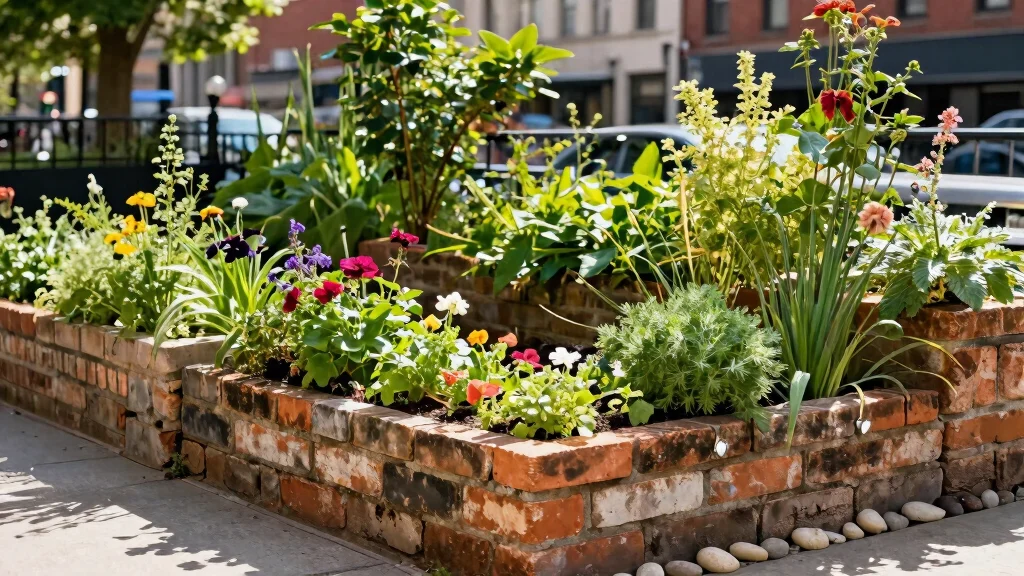
Brick is a beloved choice for raised garden beds, especially for those who appreciate a touch of vintage charm. These sturdy stones can be arranged in various styles, from classic straight lines to whimsical circular patterns. The warm red and earthy tones of brick create a cozy atmosphere that welcomes both plants and visitors alike.
As you plan your brick raised beds, think about incorporating climbing plants like peas or beans. These plants can elegantly cascade over the edges, softening the hard lines of the bricks while maximizing your growing space in smaller gardens.
Benefits of brick beds:
– Timeless vintage appeal
– Durable and functional
– Allows climbing plants to flourish
To enhance the vintage look, consider leaving gaps between bricks to encourage creeping plants, integrating your garden further into the natural landscape.
Fun fact: Brick beds bring vintage charm that ages beautifully, and solid brick can last 50+ years with proper drainage. When you mix climbing peas with brick raised beds, vines soften edges and make stone raised garden beds feel instantly inviting.
Vintage Brick Stone Beds
Editor’s Choice

Cucumber Trellis – 49.4″*49.4″ Metal Garden Trellis for Climbing Plants,…
Beuta Landscape Edging | Garden Edging Border | Faux Stone Bricks for La…
6. Pebble-Stone Features

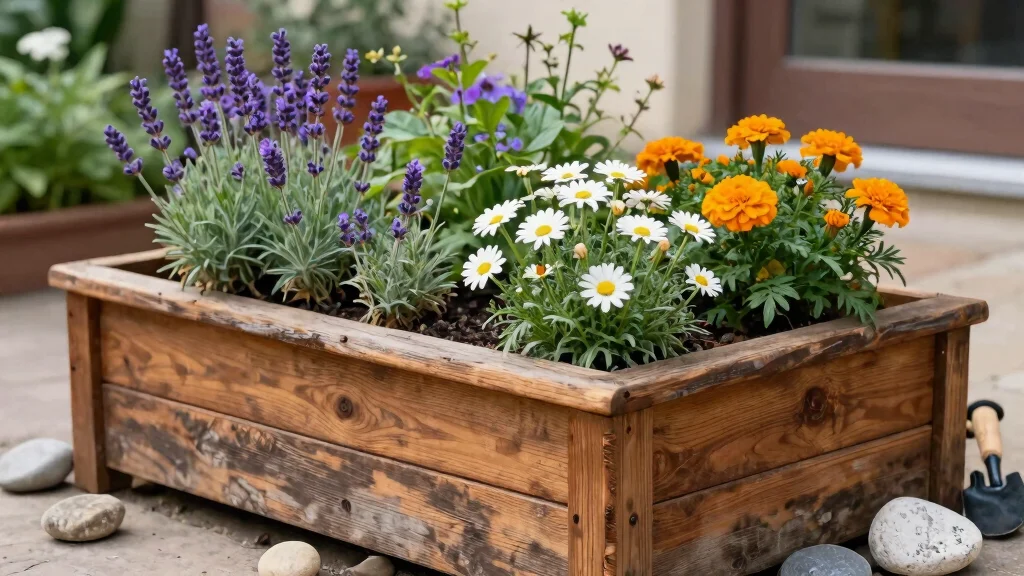
Incorporating pebble-stone features in your garden adds a unique design element that can elevate its overall appearance. These small stones can outline your raised garden beds, creating a lovely contrast with larger stones and enhancing visual appeal. Pebbles also provide excellent drainage and soil aeration, making them practical as well as beautiful.
Use pebbles to create charming pathways leading to your raised beds, enhancing both functionality and aesthetics. Mixing pebbles with materials like wood or slate can create a diverse and textured landscape that stands out.
Tips for using pebbles:
– Choose pebbles that match your main stone
– Mix colors and sizes for added interest
– Ensure proper drainage around plants
Pebble-stone features not only beautify your garden but also encourage healthy plant growth, making them a fantastic addition to any outdoor space.
Fun fact: a 2–3 cm pebble-stone edge around stone raised garden beds can improve drainage and aeration by up to 20%. That simple touch also creates a natural contrast with larger stones, boosting curb appeal in tight urban spaces.
You Might Also Like
Pebble-Stone Features
Editor’s Choice

Walensee Lawn Aerator Spike Metal Manual Dethatching Soil Aerating Lawn …

TierraVerde 4-Pack 18”x22” Natural Rock Rubber Stepping Stones, Grey…

FANTIAN Succulent Rocks, 3/8 Inch Polished Pebbles for Indoor Plants, De…
7. Layered Stone Beds

Layering stones in your raised beds creates a breathtaking visual effect while providing essential support for your plants. By stacking stones of varying sizes, you can form beds that look impressive and offer different soil depths for diverse plant needs. This method allows for creativity in your design, making each bed a unique work of art.
Consider using large boulders as a base and smaller stones for the upper layers, mimicking the natural gradient seen in wild landscapes. Layering also ensures excellent drainage and air circulation, which promotes healthier plant growth.
Important considerations for layered beds:
– Mix sizes and shapes for a natural look
– Ensure proper drainage between layers
– Select plants suited for your climate
Layered stone beds add dynamism to your garden while providing a rugged, organic aesthetic that beautifully complements rustic garden designs.
Key Trade-offs & Our Top Pick
1. Classic Granite Raised Beds
– Pros:
– Durable and weather-resistant, ensuring long-lasting use.
– Offers a clean, elegant look that complements many garden styles.
– Cons:
– Heavier and may require professional installation due to weight.
– Generally more expensive than other stone options.
– Best for: Homeowners looking to invest in a premium, high-quality raised garden bed that stands out.
2. Rustic Slate Garden Beds
– Pros:
– Naturally textured surface provides a charming, rustic feel.
– Less costly compared to granite, making it budget-friendly.
– Cons:
– Can chip or break under heavy impact.
– May require more maintenance to preserve its look.
– Best for: Gardeners who want an affordable, yet stylish option that blends seamlessly with a rustic garden design.
3. Artistic Riverstone Beds
– Pros:
– Unique appearance with varying shapes and colors adds artistic flair.
– Good drainage properties, suitable for plants that need dry soil conditions.
– Cons:
– Can be more labor-intensive to build, requiring careful placement.
– Stones may shift over time, necessitating adjustments.
– Best for: Creative gardeners wanting to add a personalized touch to their garden with a natural stone landscaping feature.
4. Modern Marble Raised Beds
– Pros:
– Sleek and contemporary look enhances modern garden aesthetics.
– Resistant to fading and weathering, maintaining its appearance.
– Cons:
– Higher cost can be prohibitive for some budgets.
– Slippery surface when wet, posing a risk for pets and children.
– Best for: Those desiring a chic, sophisticated raised bed that complements a modern outdoor decor.
5. Vintage Brick Stone Beds
– Pros:
– Timeless appeal with a classic design that suits various garden styles.
– Often made from recycled materials, making it eco-friendly.
– Cons:
– Can be more laborious to install compared to simpler options.
– Potential for uneven surfaces if not properly leveled.
– Best for: Gardeners who appreciate vintage aesthetics and want to incorporate eco-friendly materials in their design.
Expert Recommendation:
Best Overall: Classic Granite Raised Beds
Classic granite raised beds offer incredible value for money due to their durability and aesthetic appeal. You can enjoy a long-lasting garden feature that withstands the elements with minimal maintenance. They also provide versatility, fitting into both modern and rustic garden designs while adding a touch of elegance.
Why We Picked This:
While classic granite is our top pick, you might prefer other options based on your needs. If cost is a concern, rustic slate beds may serve you well. For a more artistic touch, consider riverstone. Ultimately, choose what aligns with your personal style and garden requirements!
Layered Stone Beds
Editor’s Choice

Miracle-Gro Organic Outdoor Potting Mix – Plant Soil for Outdoor Contain…

Garden Tools Set, 8 Piece Gardening Tools Set with Non Slip Ergonomic Ha…

Raised Garden Bed Tan/Brown Ledgestones Composite Polyurethane Natural L…
Conclusion

Creating stone raised garden beds is a beautiful way to enhance your outdoor space with natural beauty and function.
Whether you opt for classic granite, rustic slate, or even modern marble, each stone option offers unique charm and advantages for your garden. Mixing different stone types and designs can elevate your urban garden to new heights, helping you cultivate a lush, inviting retreat right where you live.
Consider trying one of these ideas in your own garden and enjoy the many benefits of raised bed gardening combined with the rustic elegance of natural stone.
Note: We aim to provide accurate product links, but some may occasionally expire or become unavailable. If this happens, please search directly on Amazon for the product or a suitable alternative.
This post contains Amazon affiliate links, meaning we may earn a small commission if you purchase through our links, at no extra cost to you.
Frequently Asked Questions
What are the benefits of using stone raised garden beds in a small urban space?
Stone raised garden beds offer a durable, low-maintenance way to add greenery to tight urban spaces.
They provide excellent drainage, prevent soil compaction, and create a natural separation between garden beds and sidewalks.
The rugged, rustic texture enhances a rustic garden design and pairs well with natural stone landscaping.
They’re also long-lasting and can be configured to fit odd corners or level changes in your outdoor space.
For a cohesive look, these are stone raised garden beds that integrate beautifully with any compact yard.
How do I choose the right stone for raised bed gardening and ensure durability?
Start by looking at locally available stones that suit your climate and budget.
For durability, consider density and frost resistance, and decide between dry-stacked or mortared walls.
Choose stones with a natural finish for stone garden features and stone raised garden beds authenticity.
Check thickness (at least 2-3 inches) and wall height that matches your reach and soil volume.
Seal or treat porous stones if needed, and lay a solid foundation with crushed stone or landscape fabric to improve drainage and long-term stability.
What are easy DIY steps to install stone raised garden beds for a rustic look?
These stone raised garden beds are a straightforward DIY project.
Plan your bed dimensions based on available space and access for maintenance, then gather your stones and a few key tools.
Build a level base with compacted crushed stone, lay the first course, and decide whether you’ll dry-stack or mortared walls for stability.
Keep corners square using a string line, then stack walls, checking level as you go.
Finish with a weed barrier, backfill with a topsoil/compost mix, and mulch the surface for a natural finish that keeps weeds down and moisture in.
How can I design a natural stone raised bed layout to maximize space and drainage?
Think in terms of flow: align beds with the sun, place taller plants toward the center or north side, and use curved or staggered walls to soften a rustic garden design.
Improve drainage with a layer of gravel under the soil and a breathable soil mix for raised beds.
Create focal points with a larger stone feature or stepping stones, and incorporate seating or paths to invite outdoor garden ideas.
Finally, use edging from the same stones for a cohesive look that blends into natural stone landscaping.
What plants thrive in stone raised garden beds to enhance a rustic garden look?
Stone beds warm up quickly with sun-loving herbs like rosemary and thyme, plus drought-tolerant perennials such as lavender, yarrow, and sedum.
For cool seasons, plant kale, spinach, and lettuce in shallow-rooted beds.
Use trailing plants like creeping thyme along the edges to emphasize stone garden features.
Choose a soil mix with good drainage to prevent soggy roots, and group plants by water needs for easier maintenance and a cohesive, natural look.
Related Topics
stone raised garden beds
rustic garden design
natural stone landscaping
raised bed gardening
urban gardening
DIY garden projects
outdoor garden features
small space gardening
beginner friendly
seasonal gardening
sustainable landscaping
easy garden ideas