
Gardening can be incredibly rewarding, but it often comes with its fair share of physical challenges. If you’ve ever spent hours bent over in your garden, you know how tough it can be on your back and knees. That’s why I put together this post! I want to share some fantastic ideas for tall raised garden beds that make gardening easier and more enjoyable. With these designs, you can say goodbye to the aches and pains of bending down while tending to your plants.
This post is perfect for anyone who loves gardening but may struggle with mobility or simply wants a more comfortable experience. Whether you’re a seasoned gardener or just starting out, these raised garden bed designs will inspire you to create a beautiful, functional space without the physical strain. You’ll find ideas that fit small spaces, allowing you to maximize your gardening potential while keeping things ergonomic.
By the end of this article, you’ll discover eight creative ideas for tall raised garden beds that not only look great but also provide easy gardening solutions. You’ll learn about vertical gardening techniques, tips for maximizing space, and how these beds can enhance your gardening experience. Let’s dig in and explore how you can make your gardening journey more enjoyable!
Key Takeaways
– Variety of Designs: Explore different tall raised garden bed options, from classic wooden styles to modern metal designs, catering to various tastes and aesthetics.
– Space Optimization: Discover tiered and vertical planter ideas to maximize gardening space, especially in smaller areas, while keeping gardening accessible.
– Built-in Features: Learn about innovative designs featuring built-in seating or irrigation systems that enhance both functionality and comfort in your gardening routine.
– Eco-friendly Options: Get inspired by using recycled materials for your raised beds, allowing you to garden sustainably while adding character to your garden.
– Health Benefits: Understand the ergonomic advantages of no-bend gardening, reducing strain on your body and making gardening a more enjoyable and sustainable activity.
1. Classic Wooden Tall Raised Bed

A classic wooden raised garden bed offers both style and practicality. These beds, crafted from untreated cedar or redwood, bring a natural charm to your garden. Their customizable nature means you can tailor them to blend seamlessly with your outdoor space, making gardening a delightful experience.
Start with quality wood, ensuring it’s untreated to avoid harmful chemicals leaching into your soil. You can paint or stain these beds to match your garden’s aesthetic, enhancing the overall look. The wood also provides natural insulation, helping your plants thrive by regulating soil temperature.
Key features to consider:
– Choose untreated cedar or redwood for durability
– Customize color to match your garden theme
– Use tall designs for easy maintenance
– Incorporate a trellis for climbing plants
This approach not only optimizes your gardening area but also elevates the visual appeal of your backyard. With thoughtful decoration like fairy lights, your garden can transform into a magical retreat at night.
❝Did you know untreated cedar can last 3–5 seasons in a garden? Tall raised garden beds bring natural charm, and you can paint or stain them to match your space—keeping soil safe and your harvest thriving.❞
Classic Wooden Tall Raised Bed
Editor’s Choice

Cedar Space Cedar Blocks for Closet Storage,100% Aromatic Red Ceder Bloc…

2. Metal Raised Garden Beds for Modern Appeal
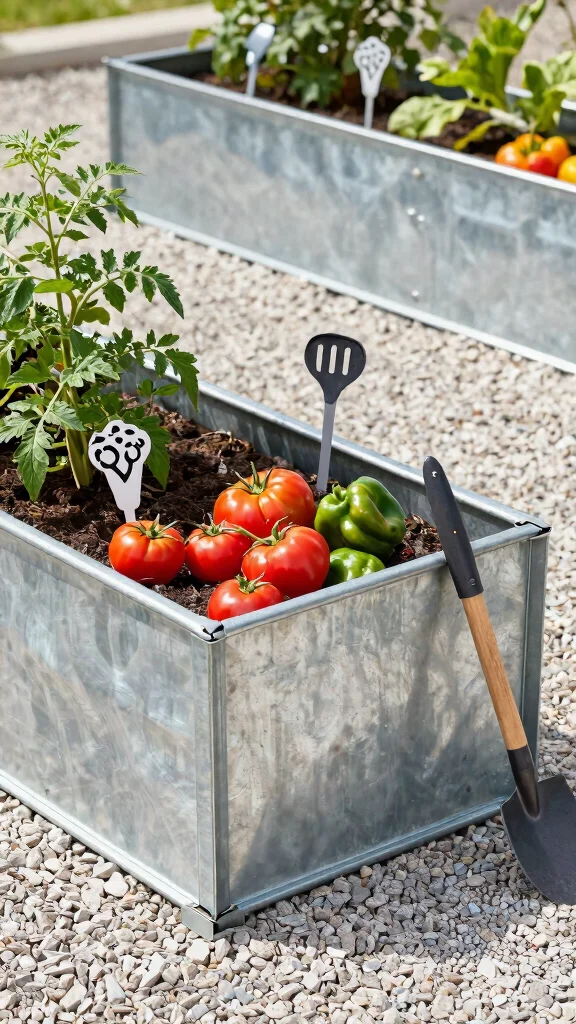
Embrace a modern aesthetic with sleek metal raised garden beds. Crafted from galvanized or corten steel, these beds are not only stylish but also incredibly durable, resisting rot and pests. Their contemporary design makes them a standout feature in any garden space, combining functionality with a chic appearance.
Consider the heat retention properties of metal, which can help warm the soil for fast-growing plants. These beds require minimal maintenance, making them perfect for busy gardeners. Pair them with gravel pathways to enhance the modern look with ease of access.
Reasons to choose metal beds:
– Ensure longevity with rust-resistant materials
– Enjoy easy cleaning and upkeep
– Add modern flair with clean lines
– Enhance aesthetics with elegant metal plant markers
Investing in metal raised beds means consistent plant health and an eye-catching garden design. You’ll find your garden thriving year after year with less effort.
Metal Raised Garden Beds for Modern Appeal
Editor’s Choice

DIIYIV 2PCS Galvanized Raised Garden Bed with Legs,2PCS 48×18×30in Ele…

LEETOLLA Elevate 32″ Tall Raised Garden Bed Outdoor with Wheels & Shelf …
3. Tiered Garden Beds for Maximum Space
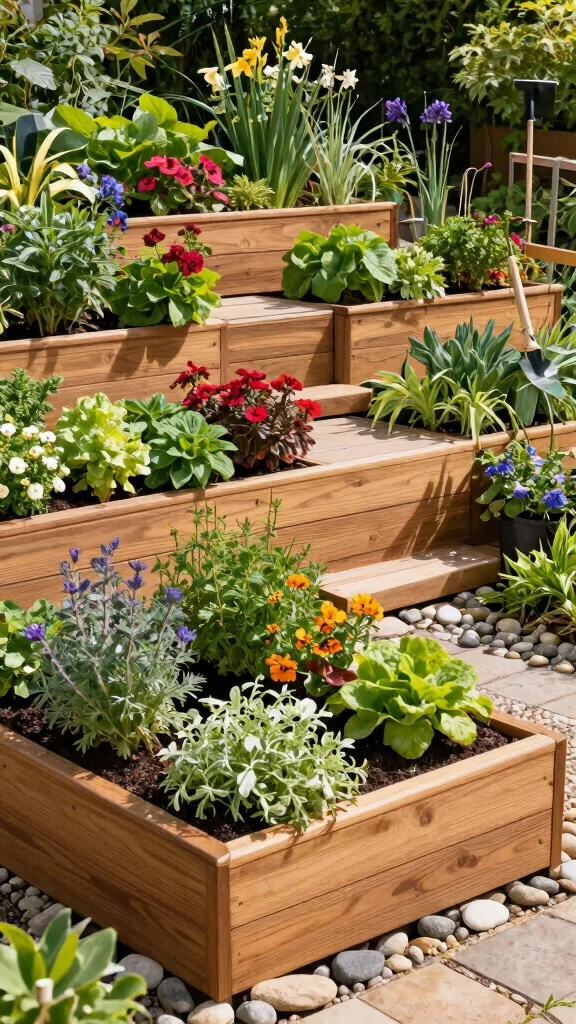
If space is limited, tiered garden beds provide an excellent solution. With multiple levels, these beds allow you to maximize your planting area while adding visual interest to your garden. They’re perfect for growing a variety of herbs and flowers without occupying too much ground space.
Utilize the top tier for herbs, which makes for easy harvesting, while larger plants can thrive in the lower levels. This design minimizes bending, making gardening more accessible. Adding decorative pathways or stones between tiers can enhance the overall charm of your garden.
Benefits of tiered garden beds:
– Maximize planting area in small spaces
– Create visual interest with varying heights
– Easier access reduces back strain
– Incorporate decorative features for added appeal
With tiered beds, you’ll not only improve your gardening efficiency but also create a striking focal point in your yard.
📹 Related Video: DIY Tiered Raised Garden bed – How to build
Tiered Garden Beds for Maximum Space
Editor’s Choice

KVR Upgraded Garden Kneeler and Seat with Thicken & Widen Soft Kneeling …

Yaheetech 3 Tier 47 x 47 x 22in Raised Garden Bed Horticulture Outdoor E…

Barnyard Designs Indoor Herb Garden Planter Set with Tray, Metal Windows…
4. Vertical Planters for Flower Gardens

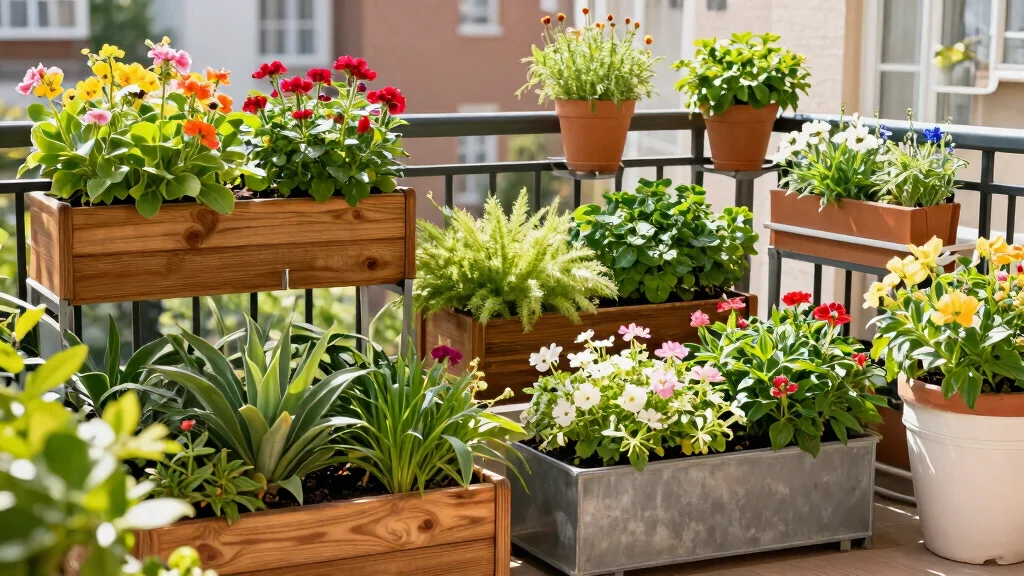
If space is tight but you love flowers, vertical planters are perfect for you! These tall designs can stack or hang, allowing you to showcase a vibrant floral display without taking up too much ground area. They create a stunning visual impact and are ideal for balconies or patios.
Mix different flower types, from petunias to climbing roses, for a colorful, dynamic arrangement. Consider adding decorative elements like colorful pots to further enhance the aesthetic. When cared for, vertical planters can turn even the smallest spaces into a flourishing garden.
Features of vertical planters:
– Save space while adding beauty
– Plant a variety of flowers for continuous blooms
– Create a stunning backdrop with vibrant colors
– Enhance with decorative pots or lights
With vertical planters, you can easily bring life and color to your outdoor areas, creating a captivating floral haven.
Vertical Planters for Flower Gardens
Editor’s Choice

Greenstalk Patented Large 5 Tier Vertical Garden Planter with Patented I…

VECELO 5 Tier Vertical Garden Planter, Self Watering Stackable Planters …

GameXcel Vertical Planter Tower – 5 Tier Stackable Garden Planters with …

G TALECO GEAR Vertical Garden Planter, 5 Tiers Vertical Raised Garden Be…

TOREVSIOR 5-Tier Vertical Raised Garden Bed, Vertical Garden Planter wit…
You might also like

5. Garden Bed with Built-in Seating

Imagine a raised garden bed that also serves as cozy seating! This innovative design combines gardening space with a comfortable spot to relax and enjoy your outdoor oasis. It’s the perfect way to enhance your garden experience while providing functionality.
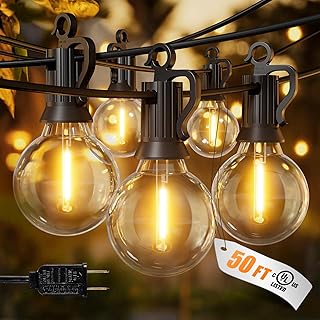
Choose comfortable materials for seating, like cushions, and create a vibrant garden by mixing herbs and flowers. This design encourages you to spend more time outdoors, enjoying the beauty of nature. Adding string lights can transform the area into a magical gathering spot, perfect for evenings with friends or family.
Highlights of this design:
– Dual-purpose for gardening and relaxation
– Comfortable height for easy tending
– Ideal for social gatherings in your garden
– Add cushions for extra comfort
This unique setup not only enhances your planting area but also promotes a welcoming environment where you can unwind surrounded by nature.
Key Trade-offs & Our Top Pick
1. Classic Wooden Tall Raised Bed
– Pros:
– Natural and aesthetically pleasing look that blends well with gardens.
– Easy to customize in size and height based on your space and needs.
– Provides good insulation for plant roots.
– Cons:
– Can be prone to rot if not treated properly.
– Requires maintenance, such as staining or sealing, to extend its lifespan.
– May attract pests like termites if untreated.
– Best for: Gardeners who appreciate a traditional look and enjoy DIY projects.
2. Metal Raised Garden Beds for Modern Appeal
– Pros:
– Durable and resistant to weather conditions, ensuring a long lifespan.
– Sleek design that suits contemporary gardens.
– Higher heat retention can benefit certain plants during cooler months.
– Cons:
– Metal can heat up quickly in direct sunlight, which may harm plant roots.
– Usually heavier and more difficult to move compared to wood.
– Can be more expensive than wooden options.
– Best for: Gardeners looking for a modern aesthetic and those who want a reliable, long-lasting option.
3. Tiered Garden Beds for Maximum Space
– Pros:
– Maximizes vertical space, ideal for small gardens.
– Allows for growing different plants at various heights.
– Makes watering and harvesting easier by reducing bending.
– Cons:
– May require more initial setup and design effort.
– Can be difficult to maintain even watering across different tiers.
– Might limit plant choices depending on height and light accessibility.
– Best for: Gardeners in urban environments with limited space but a desire to grow a variety of plants.
4. Vertical Planters for Flower Gardens
– Pros:
– Great for maximizing space and adding visual interest.
– Can be moved to follow sunlight patterns throughout the day.
– Reduces ground pests by elevating plants off the soil.
– Cons:
– Limited root space can restrict plant growth.
– Requires more frequent watering due to quicker soil drying.
– Might need additional support for heavier plants.
– Best for: Gardeners focused on aesthetics or those with very limited ground space.
5. Garden Bed with Built-in Seating
– Pros:
– Combines gardening with a relaxing spot to enjoy your garden.
– Saves space by integrating seating into the garden design.
– Encourages more time spent in your garden for enjoyment and care.
– Cons:
– Can take up a lot of space, making it less ideal for small yards.
– Usually more expensive due to the added design elements.
– Requires careful planning to ensure comfort and functionality.
– Best for: Gardeners who want to enjoy their space and invite more outdoor leisure time.
Expert Recommendation:
Best Overall: Classic Wooden Tall Raised Bed
The classic wooden tall raised bed is our top pick for its balance of aesthetics, functionality, and customization options. It offers great value for money and fits well in most garden styles. You can easily adjust the height to reduce bending, making it accessible for everyone. With proper care, it can last for many seasons, providing a sturdy foundation for your gardening endeavors.
Why We Picked This:
While the classic wooden option is versatile and appealing to many, those seeking a modern look might prefer metal beds. On the other hand, if space is at a premium, tiered or vertical options may be your best bet. It all comes down to personal preference and your specific gardening needs!
Garden Bed with Built-in Seating
Editor’s Choice

Devoko 80 Gallon Storage Bench Deck Box Lockable for Patio Furniture, Ga…
Brightown Outdoor String Lights, 50FT 25 G40 Bulbs Shatterproof Patio Li…

IASEAHK Patio Chair Cushions, 19″ x 19″ x 3″ Outdoor Chair Cushions Set …
6. Recycled Materials Raised Garden Beds

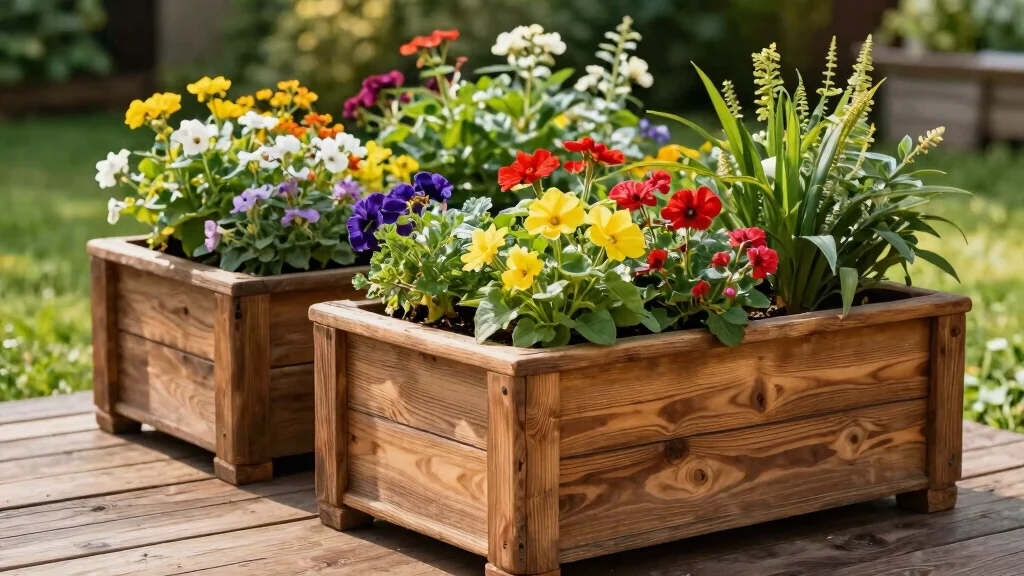
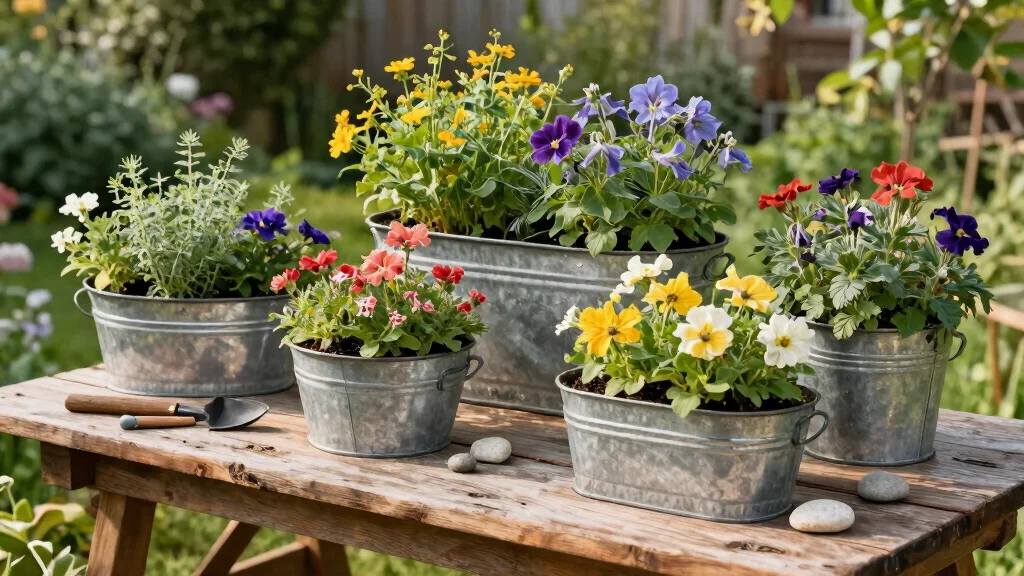
Go green with your gardening by using recycled materials for your raised beds. Items like old pallets, bricks, or metal containers can be transformed into unique garden features that add character to your outdoor space. This approach is eco-friendly and creative.
Explore various materials to see how they can complement your garden’s overall design. For instance, wooden pallets can add a rustic touch, while bricks create a vintage feel. Using recycled materials not only reduces waste but also allows you to express your creativity while gardening.
Advantages of using recycled materials:
– Support sustainability by reducing waste
– Create unique designs with character
– Enjoy cost-effective gardening solutions
– Incorporate mulch for moisture retention
Using recycled materials encourages creativity and sustainability, allowing you to build beautiful gardens that are kind to the planet.
Recycled Materials Raised Garden Beds
Editor’s Choice

Winlyn Rustic Wooden Planter Box 17.3″ L x 3.9″ W x 3.9″ H Brown Rectang…

Beuta DIY Dig-Free Faux Stone Landscape Edging End Brick – Final Piece…

vensovo Galvanized Metal Oval Planter Buckets with Handles – Set of 3 …
7. Irrigated Raised Garden Beds
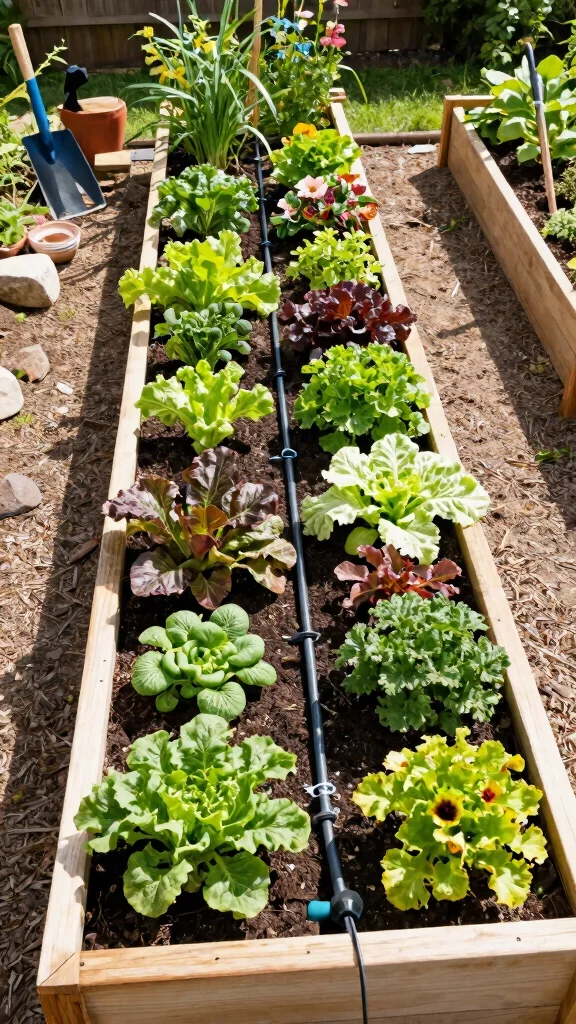
Eliminate the hassle of watering with irrigated raised garden beds. These innovative designs feature built-in drip irrigation systems that ensure your plants receive consistent moisture without manual effort. They are perfect for busy gardeners who want healthy plants with minimal labor.
Set timers for automatic watering schedules, making it easy to maintain your garden, especially in hot climates. Pairing these beds with mulch can help retain moisture and keep weeds at bay, ensuring your plants flourish throughout the season.
Benefits of irrigated beds:
– Enjoy consistent moisture for healthy plant growth
– Conserve water with efficient systems
– Reduce labor time for watering
– Enhance plant health with less effort
Investing in irrigated raised beds means thriving plants and more time to enjoy your garden, making gardening an even more rewarding experience.
With irrigated raised garden beds, you’re watering less and growing more. Set timers for automatic drip irrigation and mulch to lock in moisture—tall raised garden beds make no-bend gardening effortless, even in hot climates.
You Might Also Like
Irrigated Raised Garden Beds
Editor’s Choice

Outdoor Garden Hose Faucet Timers, Programmable Water Sprinkler Timer wi…

HIRALIY 50ft Drip Irrigation Kit Plant Watering System 8x5mm Blank Distr…

Keter Urban Bloomer 12.7 Gallon Raised Garden Bed and Outdoor Herb Garde…
8. Vertical Frame Raised Beds for Space Efficiency

Vertical frame raised beds are an excellent choice for maximizing space while adding a stylish element to your garden. Designed for vertical gardening, these beds allow plants to grow upwards, making them perfect for smaller areas. They not only save space but also enhance the garden’s visual appeal.
Accessing plants at eye level reduces back strain, making harvesting easier. You can use these frames for everything from strawberries to ornamental vines, creating a lush display. Adding trellises can provide extra support for climbing plants, enhancing the overall design.
Features of vertical frame beds:
– Maximize vertical space for more plants
– Harvest easily at eye level
– Create visual interest with cascading plants
– Support climbing plants with trellises
With vertical frame raised beds, you can transform your gardening experience, maximizing space while expressing your creativity.
Let’s be honest: space is precious in small gardens. Vertical frame raised beds (tall raised garden beds in disguise) put harvests at eye level, cutting back strain and making every inch count. From strawberries to ornamental vines, you’ll grow more and enjoy it more, all in one lush, compact display.
Vertical Frame Raised Beds for Space Efficiency
Editor’s Choice

VEVOR Hydroponic Tower, 50 Pods 10 Tiers Hydroponics Growing System Kit …
79″ Garden Trellis Arch for Climbing Plants – Tall Outdoor Metal Trell…

Yaheetech 8×2ft Wooden Horticulture Raised Garden Bed Divisible Elevate…
Conclusion
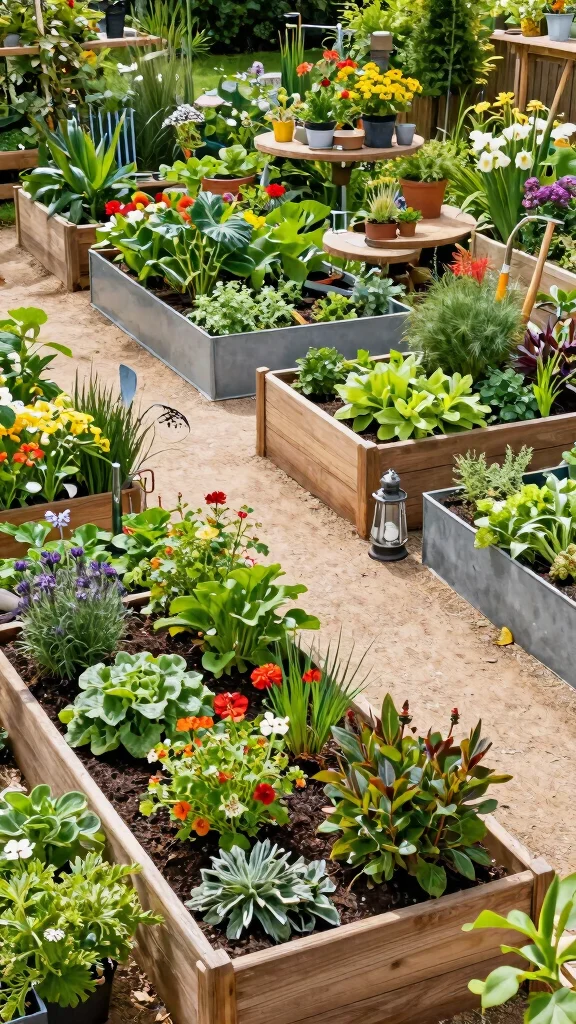
Tall raised garden beds are not just practical but can also elevate the beauty of your garden. By exploring various designs and techniques, you can easily create a personalized garden space that’s both functional and visually appealing. Whether you are looking to maximize small spaces, enhance accessibility, or simply enjoy the benefits of no bend gardening, there’s a perfect raised bed idea for everyone. It’s time to get planting and transform your green space into a flourishing retreat!
Note: We aim to provide accurate product links, but some may occasionally expire or become unavailable. If this happens, please search directly on Amazon for the product or a suitable alternative.
This post contains Amazon affiliate links, meaning we may earn a small commission if you purchase through our links, at no extra cost to you.
Frequently Asked Questions
What are the benefits of tall raised garden beds for no bend gardening?
Tall raised garden beds reduce bending and back strain while keeping you close to your plants for easier weeding and harvesting.
They also offer better soil control, improved drainage, and less soil compaction, which supports ergonomic gardening tips and a more comfortable outdoor routine. By raising the bed to waist height, you can enjoy no bend gardening benefits and longer, more enjoyable sessions in the garden.
Tip: aim for 28–36 inches in height and fill with a balanced mix of compost, topsoil, and slow-release fertilizer for best results.
How tall should a tall raised garden bed be for easy gardening, and what materials work best?
For most people, 28–36 inches is a comfortable height to minimize bending in a no bend gardening setup. If you’re taller or have mobility challenges, consider 34–36 inches and use a sturdy, waist-height stool or kneeling pad for added comfort.
Materials matter too: choose rot-resistant options like cedar or composite, or durable metal for longevity. Add a liner or corner bracing for stability and ensure proper drainage. With the right height and materials, your raised garden bed designs become a reliable easy gardening solutions setup.
What are some practical raised garden bed designs to maximize space in small yards?
Think modular and vertical when you’re tight on space. Try long narrow beds against walls, tiered or stacked beds, or an L shaped layout to fit corners. A built in trellis along the side enables vertical gardening techniques for climbing crops without crowding soil space, while still using raised garden bed designs that are easy to maintain. If you can, add access paths from multiple sides to keep your back straight and reduce bending during maintenance.
Which crops thrive in tall raised beds, and how should I plant for ergonomic gardening tips?
Leafy greens (lettuce, spinach), herbs, peppers, bush beans, and compact tomatoes do well in tall raised beds. For roots, shallow planting helps reduce digging and strain. Plant in blocks or rows that allow you to reach every plant without bending, and place taller crops toward the back or on trellises to create an ergonomically friendly workflow. Keep tools within arm’s reach and consider a small stool or knee pad to maximize ergonomic gardening tips and overall comfort.
Can tall raised beds be combined with vertical gardening techniques for maximum space in small yards?
Absolutely. A tall raised bed can serve as a solid base for vertical gardening: attach a trellis or wire mesh to the bed and train cucumbers, beans, or tomatoes upward. This vertical gardening techniques approach expands productive space without widening your footprint, a perfect match for easy gardening solutions in small yards. Start with a bed around 4×8 ft at about 30 inches high, add a sturdy trellis, and choose compact cultivars to maximize harvests while keeping gardening comfortable.
Related Topics
tall raised garden beds
no bend gardening
easy gardening solutions
vertical gardening
ergonomic gardening
small space gardening
raised garden bed designs
beginner friendly
low maintenance gardening
container gardening
urban gardening
seasonal gardening