
Creating a windowsill herb garden can feel like a breath of fresh air, especially when you’re craving that burst of flavor in your meals. If you’ve been dreaming about fresh basil for your pasta or mint for your tea, you’ve landed in the right spot. This post is designed to help you transform even the smallest spaces into lush, green havens where your favorite herbs thrive.
If you’re someone who loves cooking, enjoys indoor gardening, or is seeking a way to brighten up your urban home, these ideas are perfect for you. Whether you have a tiny apartment or just a small windowsill, there’s a way to bring the joys of herb gardening into your life. Gardening shouldn’t be a chore; it should be fun and rewarding. That’s why I pulled together nine creative ideas that are stylish, simple, and totally achievable for anyone, even those with limited space and experience.
Get ready to explore practical tips and unique ideas that will make growing your herbs a breeze. From vertical growing systems to stylish repurposed containers, these concepts will help you cultivate your own kitchen herbs right at home. You’ll enjoy the satisfaction of growing your own food while enriching your cooking with fresh flavors—all within easy reach.
Key Takeaways
– Explore Vertical Gardening: Vertical herb garden pots maximize your space while allowing you to grow multiple herbs in a compact area. This approach is ideal for small spaces.
– Repurposing Glass Jars: Use repurposed glass jars as charming herb planters. They add a rustic touch to your kitchen decor and are a sustainable choice.
– DIY Integrated Planters: Create integrated planters with DIY features to enhance your gardening experience. This can include watering systems or built-in herb markers for easy identification.
– Consider Drought-Resistant Herbs: Opt for drought-resistant herbs to reduce maintenance. These herbs thrive on less water, making them perfect for busy urban gardeners.
– Join Herb Subscription Services: For continuous freshness, consider herb subscription services that deliver your favorite plants straight to your door. This ensures a steady supply of fresh herbs for your cooking.
1. Vertical Herb Garden Pots

Are you ready to maximize your windowsill space with a vertical herb garden? Imagine fresh herbs growing upwards, creating a lush green display that saves counter space and adds flair to your kitchen. Stackable or hanging pots allow you to cultivate a variety of herbs like mint, chives, and cilantro, all while keeping them organized and visually appealing. Plus, vertical gardens offer the added benefit of better sunlight distribution for each plant.
Make sure to use pots with drainage holes and place a tray underneath to catch excess water. Rotate the top pots regularly to ensure all your herbs get their fair share of sunlight. Opt for lightweight potting soil to maintain stability and prevent any tipping over. Embrace this functional and creative approach to herb gardening!
📹 Related Video: Vertical Herb Garden DIY Small Space, Big Flavour
Vertical Herb Garden Pots
Editor’s Choice

T4U 4 Pack 6 Inch Self Watering Pots – Water Level Indicator & Deep Rese…


Dahey 3 Pcs Metal Hanging Flower Pots for Railing Fence Outdoor Planter …

GameXcel Vertical Planter Tower – 5 Tier Stackable Garden Planters with …
2. Repurposed Glass Jars

Looking for a stylish and eco-friendly way to grow your herbs? Repurposing glass jars can give your kitchen a rustic touch while providing a perfect home for your favorite herbs. Whether you use mason jars, old candle holders, or pickle jars, these transparent containers let you watch your herbs thrive while adding charm to your decor. Plus, they’re a fun and creative way to recycle!
For best results, use smaller jars for herbs like chives and parsley that need less root space. Start with a layer of pebbles at the bottom for drainage, preventing root rot. Mix different jar sizes to create an attractive and varied display on your windowsill. Enjoy your fresh herbs while showing off your unique style!
Repurposed Glass Jars
Editor’s Choice

NUPICK 3lb River Rocks for Plants Indoor, 3/8 Inch Mixed Pebbles for Vas…

Rainforce 16 oz Mason Jars With Lids Regular Mouth 15 Pack-16oz Glass Ja…
3. Integrated Planters with DIY Features

Want to take your herb garden to the next level? Crafting an integrated planter can bring both functionality and style to your windowsill. A simple wooden box can house multiple herbs, providing an organized and visually appealing option. You can even add a built-in watering reservoir, ensuring your plants stay hydrated without constant attention.
When building your planter, choose untreated wood for a natural look that ages well. Make sure to include drainage holes at the bottom to prevent water buildup. You can paint or stain your planter to match your kitchen’s aesthetic, adding a personal touch to your gardening project. This DIY endeavor not only serves a practical purpose but also lets your creativity shine while growing your own herbs.
Integrated Planters with DIY Features
Editor’s Choice

DEWALT Drill Bit Set, 3-Flats Shank,14-Piece, 135 Degree Split Point, fo…

WSMKSZ 12 inch Large Self Watering Pots, Flower Plant Pots with Multi Me…

Yaheetech 43.5″ L×16″ W×14″ H Wooden Raised Garden Bed, Horticul…
4. Herb Markers for Stylish Organization

Do you want to keep your herb garden organized while adding a touch of style? Herb markers can help you identify your plants and make your setup more visually appealing. Get creative with DIY markers made from stones, wooden sticks, or even chalkboard paint, turning your gardening experience into a fun project.
Consider using color-coded markers for quick identification of each herb. You can attach them with twine or place them directly into the soil for easy access. Personalize your markers with fun names or drawings to add character to your windowsill. This simple addition enhances both the functionality and charm of your herb garden, making it a lovely focal point in your home.
Did you know 80% of compact windowsill herb setups stay neater and more productive when using color-coded markers? Quick, DIY markers turn chaos into calm—and you’ll love labels that match your herbs. Personalize with stones, sticks, or chalkboard paint for instant style.
Herb Markers for Stylish Organization
Editor’s Choice
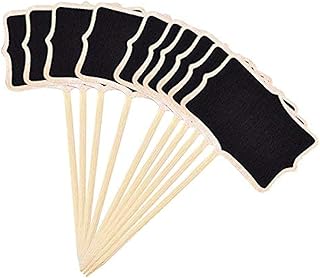
KINGLAKE 20 Pcs Wood Chalkboard Plant Tag, Wooden Stakes Plant Labels Bl…
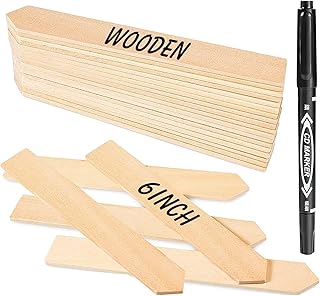
Zkptops 50Pcs Wooden Plant Labels Plant Tags 6 Inch Garden Plants Marker…

UPINS 24Pcs Acrylic Plant Labels Herb Plant Markers Plant Tags Signs wit…
5. Drought-Resistant Herbs for Easy Care

If you find yourself forgetting to water, drought-resistant herbs are your best friends. These hardy plants thrive with minimal care, providing you with flavorful additions to your dishes without the stress of constant maintenance. Imagine having fresh herbs like thyme, sage, and oregano right at your fingertips, adding depth to your cooking with ease.
Thyme is aromatic and hardy, great for various dishes. Sage’s large, fuzzy leaves offer a perfect touch to savory meals. Oregano packs a robust flavor, making it essential in Mediterranean cooking. By choosing these resilient plants, you can enjoy gardening without the worry of frequent watering, keeping your culinary adventures hassle-free.
Even if you forget to water, a drought-resistant herb like thyme or oregano keeps your windowsill garden thriving. It’s easy care that still delivers fresh, flavorful boosts to every dish—no fuss, just flavor.
You might also like


Drought-Resistant Herbs for Easy Care
Editor’s Choice

The Old Farmer’s Almanac Organic Thyme Seeds – Approx 160 Seeds – Certif…

8/10/12 Inch Self Watering Pots for Indoor/Outdoor Plants – Large Plasti…
6. Microgreens for Quick Harvests

Are you eager to start your herb garden but want quick results? Microgreens are the perfect solution! These tiny, flavorful greens can be harvested in just a few weeks, making them an exciting and fast-growing addition to your kitchen. Think of adding arugula, radish greens, or pea shoots to your salads and sandwiches for a burst of flavor and nutrition.
Use shallow trays with good drainage to grow your microgreens. Place them in a sunny spot in your kitchen to encourage optimal growth. Remember to water them regularly while avoiding over-watering to prevent mold. This quick-growing option is perfect for those who want to see results fast and enjoy fresh greens almost immediately!
Microgreens for Quick Harvests
Editor’s Choice

Aokrean Plant Grow Light, 48 LEDs Full Spectrum Grow Lights for Indoor P…

Legigo 10 Pack Green Seed Sprouter Trays- Soil-Free Cultivation Germinat…

Seedboy Organic Non-GMO Sprouting Seeds, Fresh Salad Blend – USA Grown M…
7. Seasonal Rotation for Freshness

Do you want to keep your herb garden fresh and vibrant all year round? Rotating your herbs seasonally is a fantastic way to achieve this! By planting different herbs according to the seasons, you can enjoy a continuous supply of fresh flavors. In spring and summer, consider growing basil, cilantro, and dill; then switch to hardy herbs like rosemary and thyme in the fall and winter.
Create a planting calendar to track your herb rotations easily. Companion planting can maximize space and benefits. Research which herbs thrive in specific seasons to ensure a bountiful harvest. This practice not only diversifies your cooking but also keeps your gardening experience exciting and fresh!
Seasonal Rotation for Freshness
Editor’s Choice

In the Garden | 2026-2027 3.5 x 6.5 Inch Two Year Monthly Pocket Planner…

Smart Automatic Drip Irrigation System for Indoor Plants, 2026 Auto Plan…
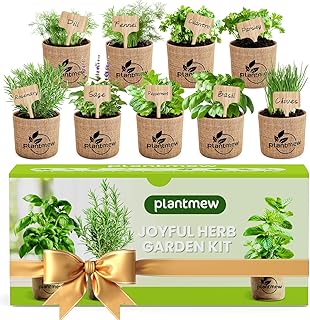
Gift for Women, Mom, Her – 9 Herb Indoor Window Garden Kit | Complete …
8. Herb Subscription Services

Want to effortlessly expand your herb garden? Signing up for an herb subscription service might be the perfect fit for you! These services deliver fresh herb plants or seeds right to your door, allowing you to explore different flavors without the hassle of planting everything yourself. Enjoy unique herbs that might not be available locally, along with care tips for each variety.
Look for local or organic options that emphasize environmentally friendly practices. Check for customization options based on your preferred herbs. Subscriptions are a great way to experiment with new flavors and enhance your culinary adventures without any extra effort!
You Might Also Like


How To Choose The Right Windowsill Herb Garden
Creating a windowsill herb garden is exciting and provides fresh herbs at your fingertips. However, selecting the right setup can be tricky. Let’s break down some crucial factors to consider when planning your indoor herb garden.
1. Size
Before you start, measure your windowsill. The size of your herb garden should fit comfortably within that space. A compact garden allows you to maximize sunlight exposure without cluttering your kitchen. Generally, a width of 18-24 inches works well for most windowsills, but you can adjust based on your available area.
2. Material
Choose materials that suit your aesthetic and practical needs. Common options include ceramic, plastic, and metal. Ceramic pots are beautiful but heavier, while plastic is lightweight and easier to handle. Remember that whatever material you choose, it should have drainage holes to prevent waterlogging, which can damage your plants.
3. Herb Selection
Not all herbs thrive indoors, so pick varieties that do well in small spaces. Some excellent choices include basil, parsley, chives, and mint. Consider how frequently you’ll use these herbs in your cooking. Growing herbs you love will encourage you to tend to your garden more often.
4. Light Requirements
Most herbs need 6-8 hours of sunlight daily. Evaluate the light conditions of your windowsill. If your space doesn’t get enough natural light, consider using grow lights to support healthy herb growth. LED grow lights can be a great option as they are energy-efficient and effective for indoor gardening.
5. Watering Needs
Different herbs have different watering needs. Some prefer to dry out between watering, while others thrive in consistent moisture. Research the specific requirements of your chosen herbs. Consider using self-watering pots or containers with moisture-wicking properties to make care easier.
6. Budget
Finally, consider how much you want to spend on your windowsill herb garden. You can start small with inexpensive pots and soil, or invest in high-quality containers and organic soil. Set a realistic budget that includes all necessary items—pots, soil, seeds, and any additional tools.
Pro Tip:
Start with a few easy-to-grow herbs like basil and parsley. Once you feel comfortable with your gardening skills, you can diversify your collection with more challenging varieties. This gradual approach helps build confidence and ensures you enjoy the process!
By considering these key factors, you can create a thriving windowsill herb garden that enriches your cooking and beautifies your space. Enjoy the journey of indoor gardening and the delicious rewards it brings!
Herb Subscription Services
Editor’s Choice

Ahopegarden Indoor Garden Hydroponics Growing System: 10 Pods Plant Germ…

Seed Needs Herb Seeds Variety Pack Culinary Herb Collection (12 Individu…
8/10/12 Inch Self Watering Pots for Indoor/Outdoor Plants – Large Plasti…
9. Edible Flower Herbs for Beauty and Flavor

Are you ready to elevate your herb garden with a splash of color? Adding edible flower herbs to your collection not only beautifies your space but also enhances the flavors in your dishes. Herbs like nasturtium, borage, and flowering basil bring vibrant colors and delightful tastes to your meals, perfect for salads, garnishes, or infusions in drinks.
Choose pots that have enough space for both herbs and flowers to thrive. Ensure they receive plenty of sunlight to promote flowering and herb growth. Regularly harvest blooms to encourage more flowers and keep your plants healthy. Incorporating edible flowers into your herb garden creates a stunning and flavorful experience, making your culinary creations even more delightful!
Did you know that a compact windowsill herb garden with nasturtium and borage can bloom within 6–8 weeks, adding color and flavor to every salad? A few thriving pots also deliver fresh edible flowers for garnishes and infusions all season.
Edible Flower Herbs for Beauty and Flavor
Editor’s Choice

Seed Needs Nasturtium Seeds Jewel Mix Multicolored Edible Flowers | 1.5 …
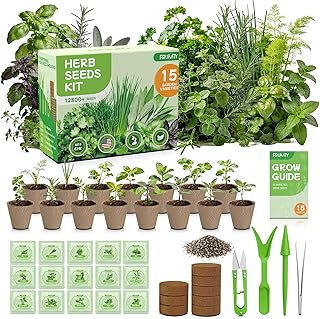
Herb Garden Starter Kit – Fruivity 12800+ 15 in 1 Herb Heirloom Seed K…
Conclusion

Starting your own windowsill herb garden opens up a world of flavors and enjoyment right in your kitchen.
With a variety of ideas to choose from, you can personalize your gardening experience to fit your style and space. Whether you opt for vertical gardens, repurposed jars, or seasonal rotations, fresh herbs are just an arm’s length away, making every meal a bit more special. Embrace the journey of indoor gardening and let your creativity blossom!
Note: We aim to provide accurate product links, but some may occasionally expire or become unavailable. If this happens, please search directly on Amazon for the product or a suitable alternative.
This post contains Amazon affiliate links, meaning we may earn a small commission if you purchase through our links, at no extra cost to you.
Frequently Asked Questions
What is a windowsill herb garden and why is it ideal for small spaces?
Think of a windowsill herb garden as a compact, container-based kitchen garden that fits on your sill. It’s perfect for urban living because you can grow fresh kitchen herbs without a yard. With container gardening you control soil, water, and sunlight in a tiny footprint. Set up a sunny, south- or east-facing sill, choose well-draining pots, and group herbs by light needs.
Practical starters include basil, parsley, and chives with a few thyme or mint in separate pots to avoid crowding. That way you have flavor on hand for cooking all week.
Which herbs are best for a beginner’s windowsill herb garden?
Start with forgiving favorites that thrive indoors: basil, parsley, chives, thyme, and mint (in its own pot to keep it from taking over). Choose compact varieties if space is tight. Keep them in bright light and harvest regularly to encourage bushy growth.
Practice herb gardening tips by watering deeply but infrequently, trimming for shape, and rotating containers so each herb gets a fair share of light. You’ll be surprised how much flavor you can add to meals right from your windowsill.
How should I arrange containers for a windowsill herb garden in a small space?
Think vertical and layer by light needs. Use a mix of shallow, wide pots for root depth and narrow planters for tight spaces, all with drainage. Place sun-loving herbs toward the brightest part of the sill and use a small shelf or plant stand to create levels. Group herbs with similar water needs together to simplify care. Consider self-watering containers or a drip tray to prevent mess, and rotate pots every week so none outgrow the light.
With smart container gardening layout, your windowsill can hold a thriving mini herb farm.
How much light and watering do windowsill herbs need for steady harvest?
Most herbs on a sunny windowsill crave about 4–6 hours of direct or bright filtered light daily. If light is limited, supplement with a compact LED grow light for 12–16 hours a day. Water when the top inch of soil dries; avoid letting pots sit in a saucer of standing water. Use well-draining potting mix and a light feeding of a balanced fertilizer every few weeks.
These are practical indoor gardening basics that keep your windowsill herb garden productive and healthy.
What are common mistakes to avoid in a windowsill herb garden?
Common missteps include overwatering or under-watering, crowding pots so roots fight for space, and choosing pots without drainage. Avoid using heavy, non-draining soil in containers and skip herbs that need much deeper roots if your sill is very shallow. Don’t neglect pruning—regular harvesting actually encourages more growth. Finally, don’t forget to rotate plants so each gets even light.
Embrace simple small space gardening rules and you’ll enjoy fresh herbs or kitchen herbs year-round.
Related Topics
windowsill herb garden
indoor gardening
small space gardening
kitchen herbs
container gardening
herb gardening tips
urban gardening
easy setup
beginner friendly
year-round herbs
sustainable gardening
fresh herbs